The Story
Why it exists.
The beginning
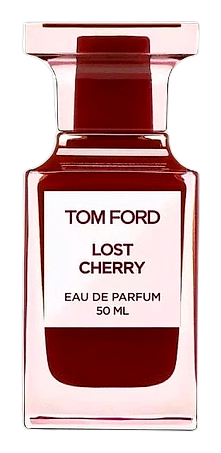
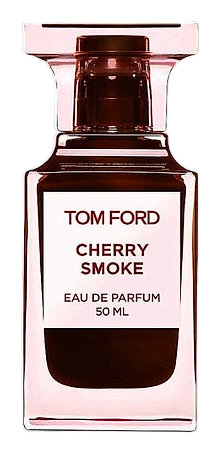
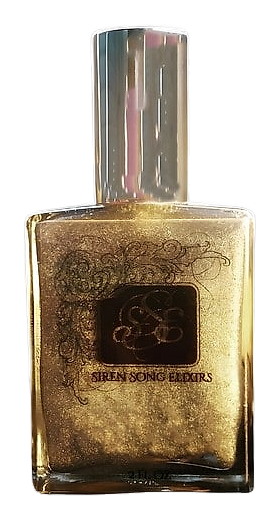
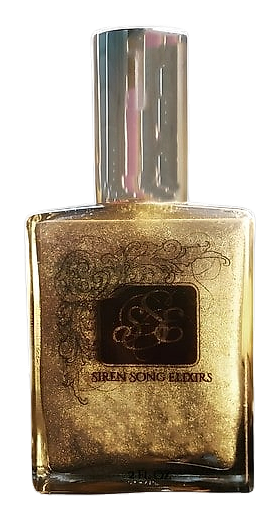
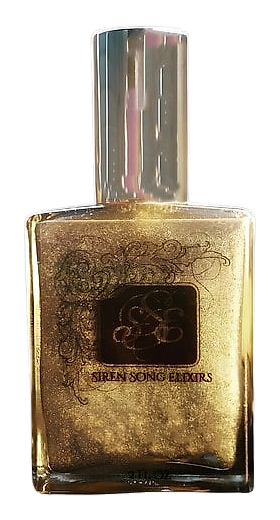
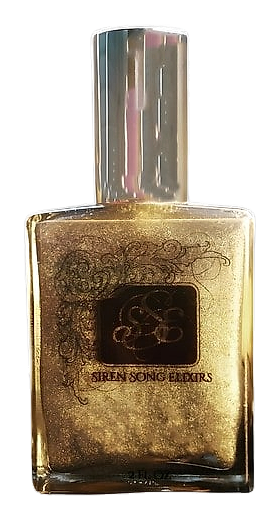
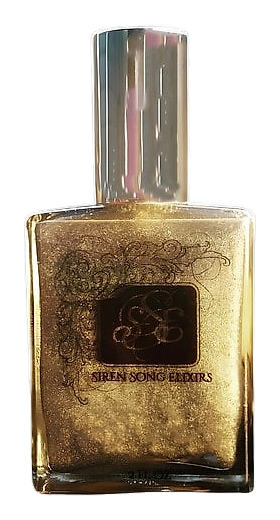
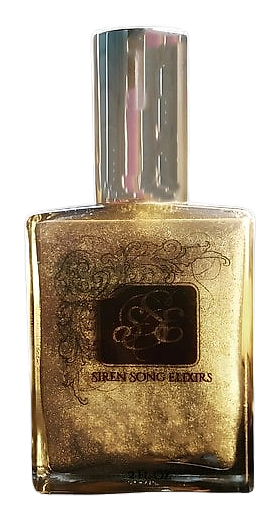
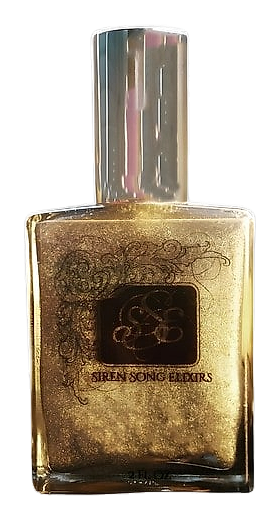
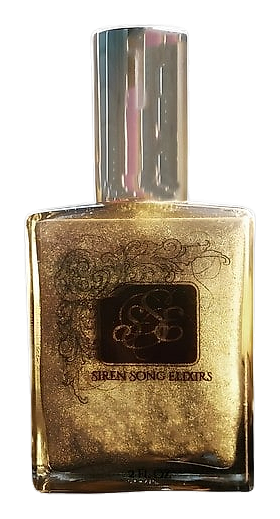
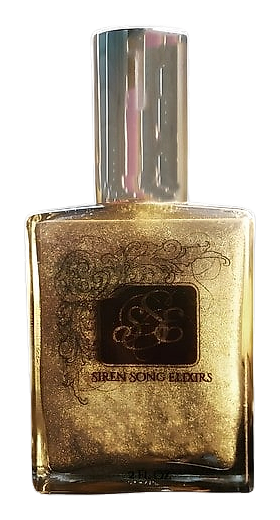
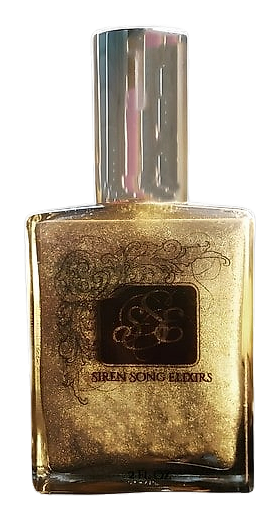
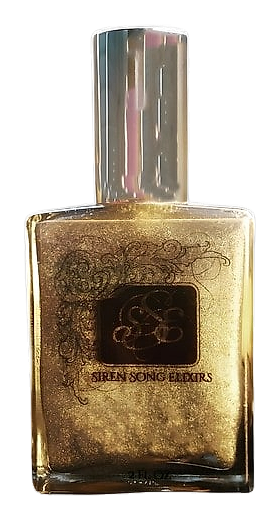
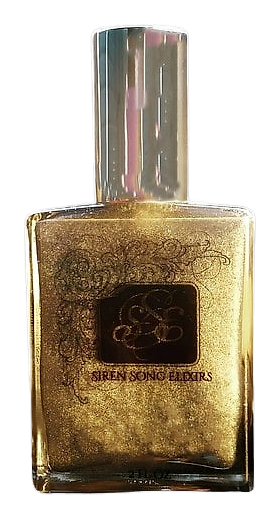
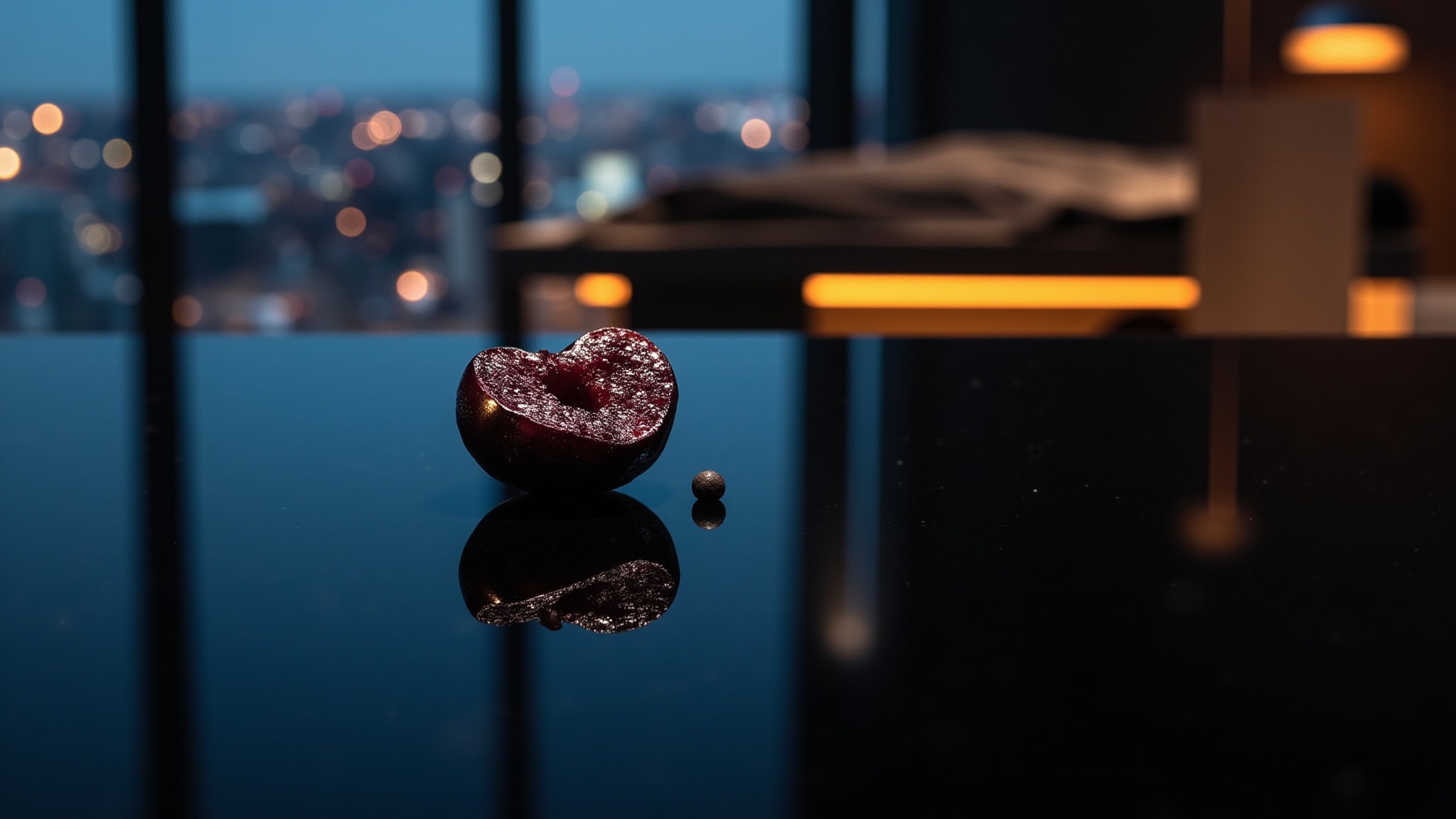
The Devil You Know draws its inspiration from a game's hierarchy of devils, characters rendered through scent rather than dialogue. Raphael, the perfumed trickster, smells of cherries, musk, and sulphur. Haarlep, the incubus in his boudoir, wears palmarosa and black pepper. The composition weaves both characters into a single portrait, balancing cherry and salt against cinnamon musk and Brazilian rosewood. The result is a scent that smells like a devil you'd shake on a deal with, not flee from. It's about the devil you choose, the one whose smell you already know, the familiar danger you decide to invite closer instead of running from.
Most cherry fragrances go sweet or go smoky. This one threads salt through the fruit early, which gives the top an almost briny, sea-edge tension before the spices arrive. Palmarosa shows up as a quiet supporting player, bringing its rose-adjacent sweetness without ever reading as floral. Brazilian rosewood anchors the structure with a dry, woody warmth that keeps the cinnamon from turning festive. It's a confident layering of contradictions that shouldn't work and somehow does.
The evolution
The opening is sharp, almost startling. Cherry and salt hit in the same breath, and for the first stretch there's a briny, almost oceanic quality that has nothing to do with fruit. Black pepper and palmarosa push in from the sides, warming the salt into something closer to brine-spice. The cherry deepens as the fragrance settles, losing its brightness and turning dense, closer to dark fruit leather than fresh fruit. This is where the composition finds its footing, a spiced warmth that hovers between skin and clothes, intimate enough to feel like a second layer of clothing rather than something broadcast into the room. As the hours pass, the base emerges slowly, grounding everything in a dry, slightly animalic finish. Moderate sillage means it stays personal, a scent people lean in to catch rather than one that announces across a dinner table.
Cultural impact
Worn by the person who already has a favorite character fragrance and doesn't need convincing, this is a focused, intentional choice rather than a safe crowd-pleaser. It appeals to anyone drawn to cherry fragrances that refuse to be safe, to compositions that lead with danger instead of diffidence. The buyer is less interested in mass-market appeal than in capturing a specific archetype, the kind of wearer who chooses a scent the way they'd choose a side in a story. For anyone who wants their fragrance to carry a point of view, to smell like someone rather than something, it delivers on that promise without compromise.