
The Story
Why it exists.
The beginning
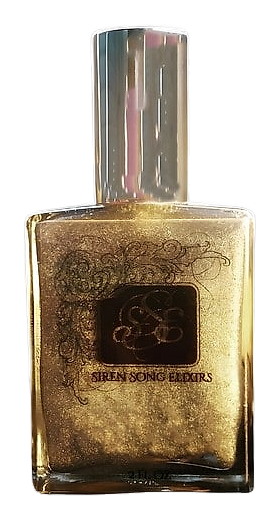
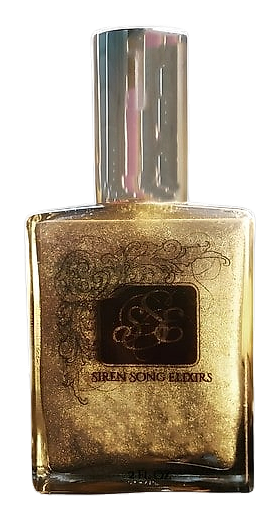
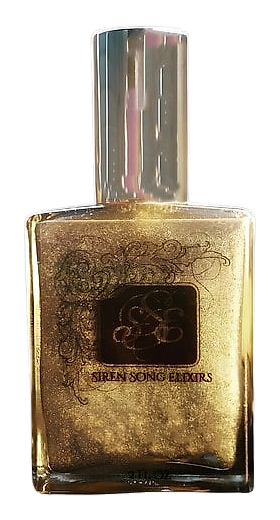
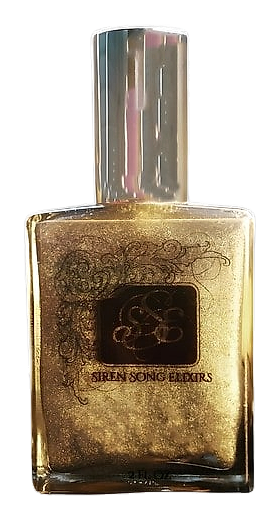
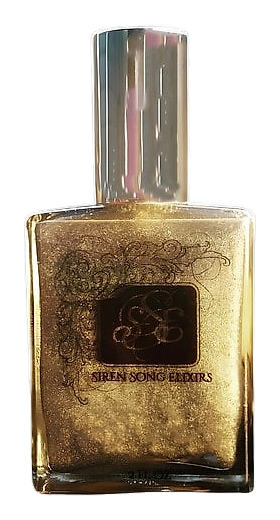
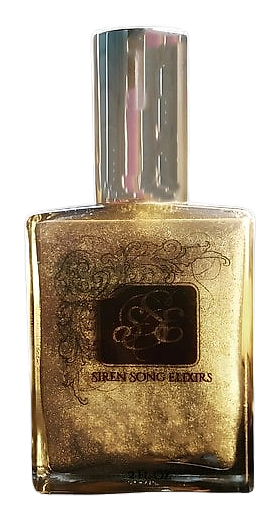
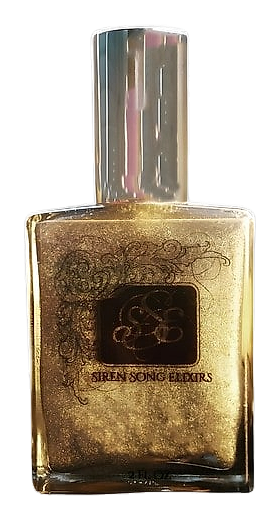
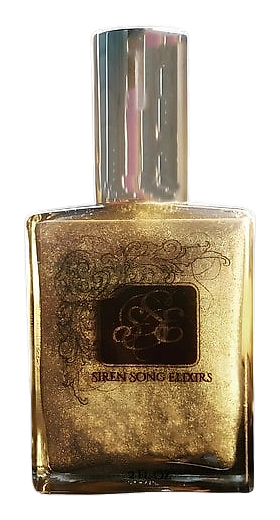
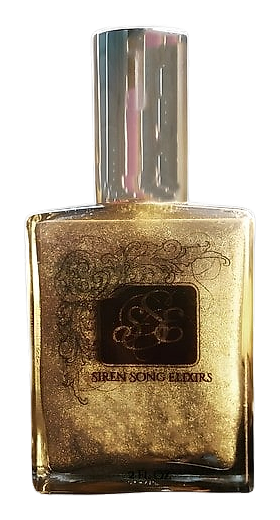
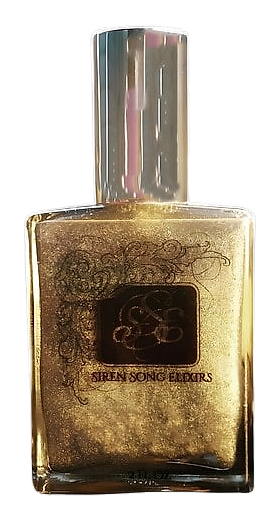
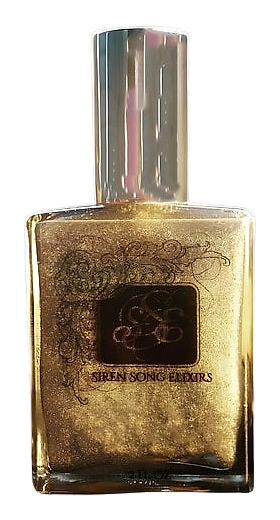
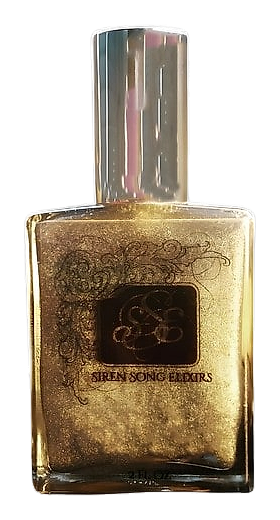
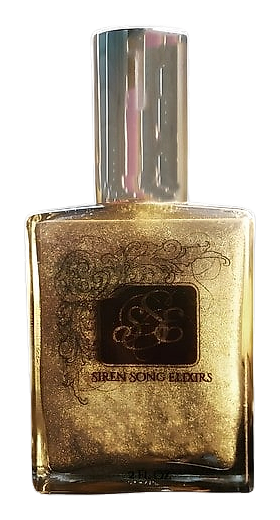
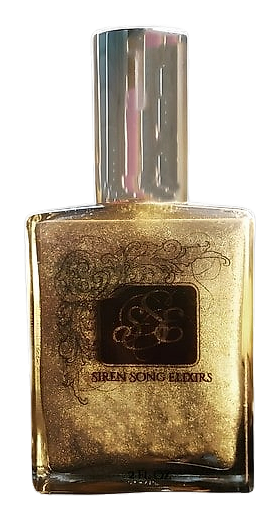
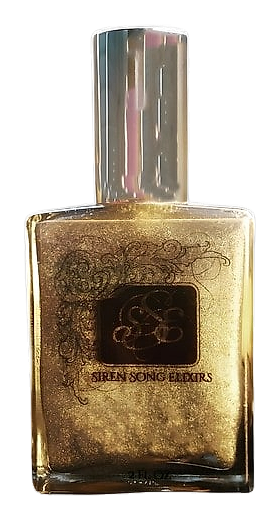
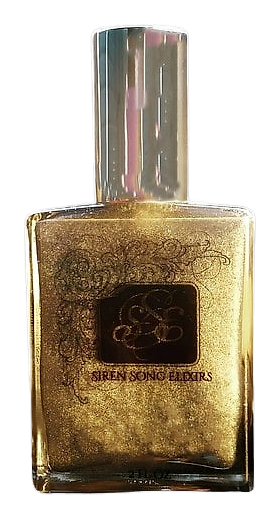
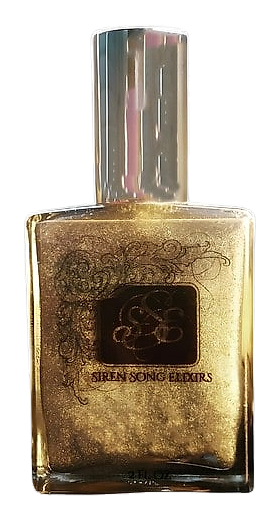
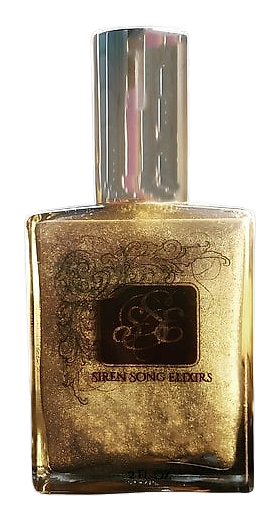
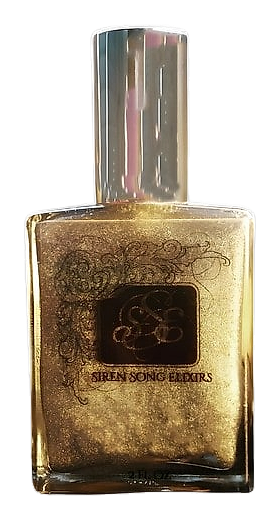
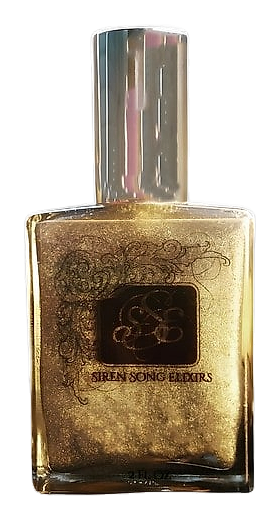
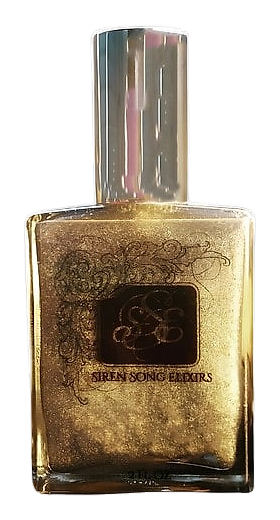
In 2019, Siren Song Elixirs launched Tempest into a fragrance landscape that had grown crowded with safe, predictable compositions. This was a house willing to build something that doesn't telegraph its intentions from the first spray. Tempest answers a different call: sweet and gourmand-leaning, leaning into the indulgent side of contemporary indie perfumery, the kind of scent that wraps around its wearer rather than announcing itself from a distance. The name suggests turbulence, but the composition itself is remarkably settled: a fragrance built to endure, to warm, to stay on skin through a full day's wear without losing its shape or its sense of purpose.
The floral-gourmand accord that defines Tempest sits in conversation with a wider tradition of indulgent perfumery, but it stakes out its own territory through specific note choices that feel considered rather than borrowed. Where lighter compositions aim for transparency, Tempest builds density from sweet and creamy elements that evolve together rather than competing for attention. The character of the scent reads as indulgent without tipping into overly dessert-like territory, drawing a careful line between richness and excess.
The evolution
The opening is where Tempest shows its hand. Sweet and bright from the first contact, with a juicy fruit note arriving immediately and refusing to be polite about it. There's an immediate lift from the lychee and dragon fruit, threading through each other like light through clear glass. The first thirty minutes feel vibrant and almost confectionary, the kind of sweetness that makes you lean in rather than pull back. You want more of it, and the fragrance is generous enough to deliver. Around the two-hour mark, the composition begins its slow pivot. The fruit pulls back from the foreground, letting the vanilla take its rightful place. The sweetness doesn't fade, it integrates, becoming part of the cream rather than sitting on top of it.
Cultural impact
Tempest belongs to a contemporary moment in independent perfumery when compositions gravitate toward personality, distinctness, and emotional resonance. Its floral-gourmand profile shares little territory with the woody-oriental archetypes that dominated mainstream releases for decades. For collectors who follow small-batch and indie fragrance, Tempest represents the kind of composition that prioritizes a clear point of view over safe commercial compromises.