The Story
Why it exists.
The beginning
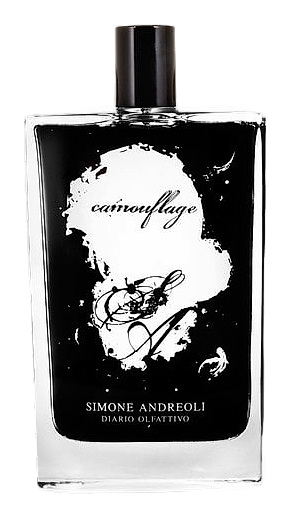
Camouflage arrived in 2011. The brief was simple: translate the sensory memory of a Middle Eastern night into liquid form. Not the postcard version. The real one, the heat that stays after the crowds thin, the way incense threads through open windows, the woods that anchor everything else. The fragrance opens with a bracing hit of saffron, its honeyed edge cutting through the air like a sudden gust of warm wind. As it settles, the oud emerges, not the showpiece oud of the genre, but something quieter, more textured. It weaves between the spice and the smoke, holding its ground without ever overwhelming. The woods arrive last, a creamy sandalwood that rounds the edges and keeps everything grounded.
What makes Camouflage's structure unusual is the hierarchy. In most rose-oud compositions, the oud dominates, it's the headline, the statement piece. Here, the Moroccan rose leads, the oud waits in the wings, and the sandalwood acts as a bridge between them. The frankincense doesn't smoke so much as haze, a veil rather than a fire. Ebony adds darkness without heaviness, a wood note that reads more atmospheric than woody. The result is a fragrance that smells expensive without smelling loud, which is harder to achieve than it sounds.
The evolution
The first minutes belong entirely to the rose. Not a sharp or green rose, a warm, almost overripe Moroccan bloom that already has the frankincense hanging behind it. Within fifteen minutes, the incense takes hold, but gently. The rose doesn't disappear, it absorbs into the smoke until the two become difficult to separate. An hour in, the woods arrive: sandalwood first, then ebony, then the quiet suggestion of oud underneath. By hour three, the rose is a memory and the composition has become something darker, woodier, closer to the skin. The drydown holds for another three to four hours, resinous, animalic in the best sense, the kind of skin-scent you catch when you lift your collar. On fabric, it lasts until the next morning, fainter but not gone.
Cultural impact
Camouflage was early to the rose-oud conversation. The blend of rose and oud creates a nuanced dialogue rather than a shouting match. There is a deliberate quietness in how the notes interact, a sophisticated restraint that sets it apart from more aggressive interpretations of the genre. The rose does not dominate the space it occupies; it whispers beneath the oud, adding a delicate floral undertone that prevents the fragrance from becoming heavy or overwhelming.