The Story
Why it exists.
The beginning
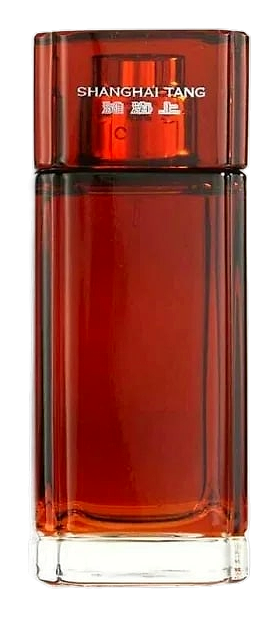
Mandarin Tea arrived in 2015 as part of Shanghai Tang's expanding scent portfolio. The Mandarin Tea Collection extended the brand's home fragrance universe, with candles, cut-crystal diffusers, and fine bone china mugs available alongside this personal scent composition. Benaïm, working alongside Sonia Constant, brought a trained hand to translating the collection's core idea into wearable form. The brief centered on capturing the sensory experience of a quiet moment of stillness and warmth. The resulting eau de toilette distills that moment into something you can carry with you, bright citrus and tea rendered with an economy of ingredients that lets each note speak without shouting.
What makes the composition interesting is its restraint. Mandarin, lemon, neroli, petitgrain, and tea, five ingredients doing all the work, no ornamental layering, no competing voices. Neroli and petitgrain both come from the bitter orange tree, yet they read quite differently on the skin. Neroli carries a delicate floral sweetness lifted by honeyed undertones, while petitgrain offers a more austere, leafy bitterness reminiscent of the twig itself. Placing them together pulls the citrus in two directions at once, which keeps the opening alive longer than a simple bright splash would.
The evolution
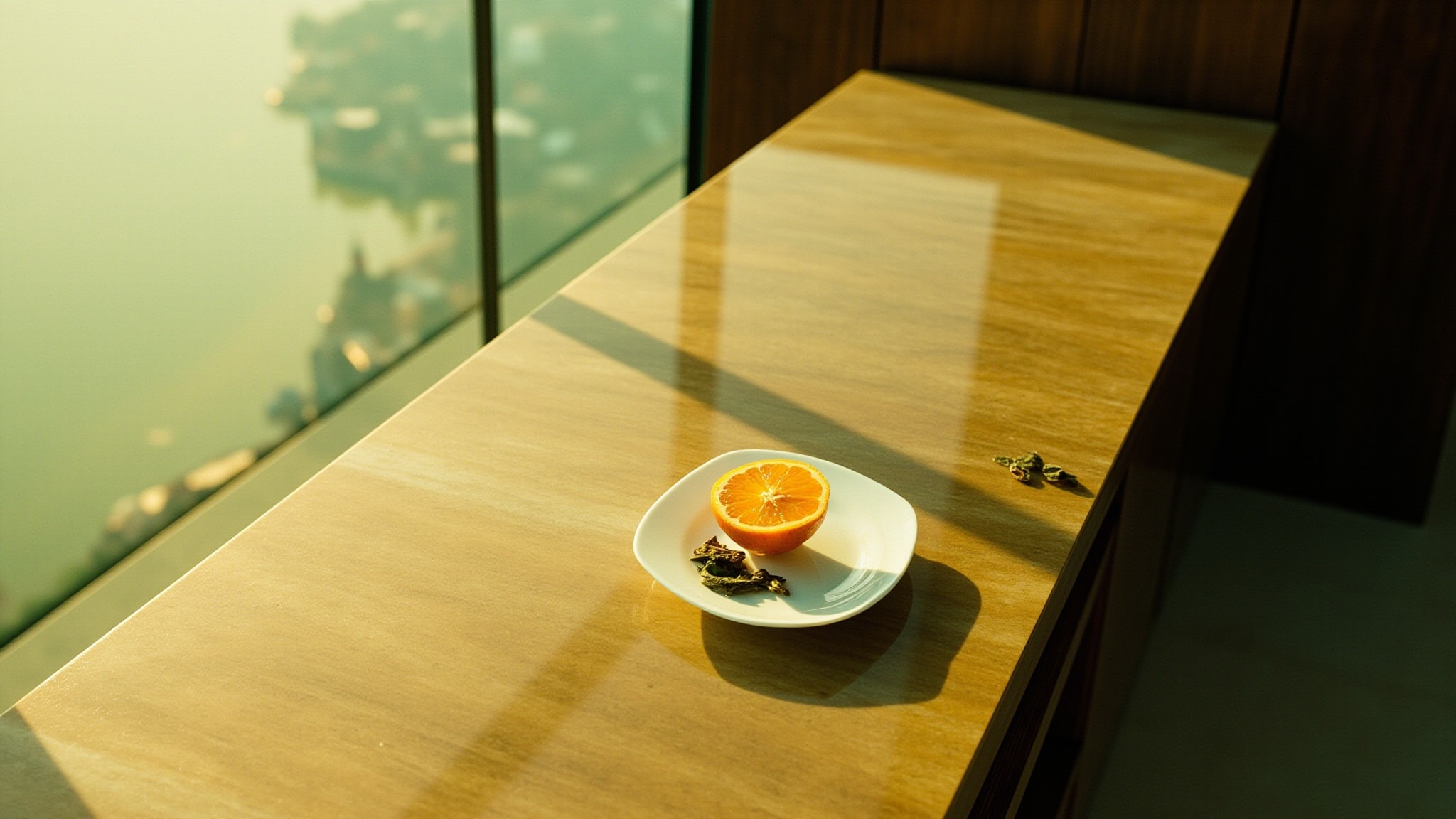
In the opening, mandarin and lemon cut through with neroli's soft floral edge sitting just behind. The citrus has a clarity that's almost edible, like peeling the fruit with your hands. Petitgrain then tilts the composition toward something greener, twiggy, and slightly bitter where the brightness was just moments before. As the fragrance settles into itself, the tea note surfaces in full, not a smoky lapsang so much as a clean, steeped green tea cooling on a saucer, tannic without being austere, vegetal without reading herbal. Eventually, what remains is petitgrain's dry green bitterness braided with the soft, tannic hush of tea. The citrus has long evaporated, leaving a quality that smells like sun-warmed skin after a shower, gently warm, quietly close, faintly mineral where the tea once was.
Cultural impact
Mandarin Tea occupies an unusual space in contemporary fragrance. It is a citrus-tea composition that reads as deliberately composed rather than breezy, closer in approach to tea-forward niche work than to mainstream designer freshness. Its restraint does most of the talking: five notes, no ornamental layering, no competing voices, just a clearly articulated idea executed with precision. That clarity appeals to wearers who want their citrus to feel considered, purposeful, and tied to a specific sensory memory rather than to a category or trend. The result is a scent that feels complete rather than interchangeable, with a quiet confidence.