The Story
Why it exists.
The beginning
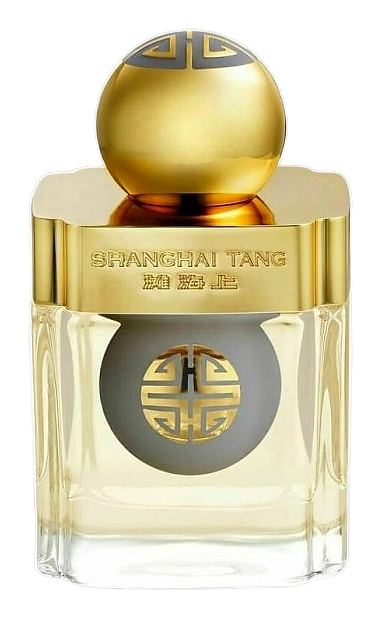
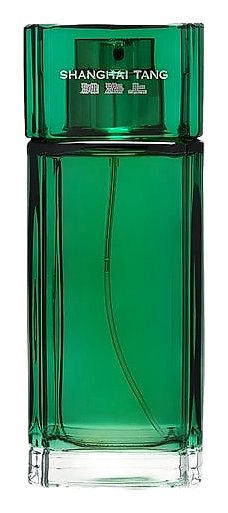
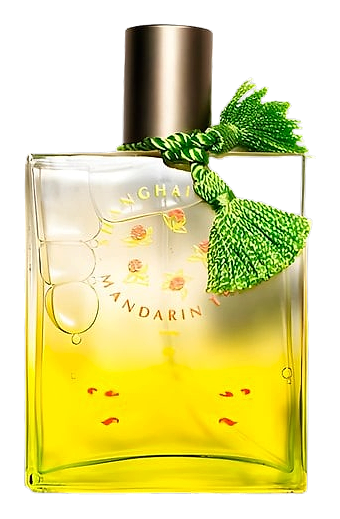
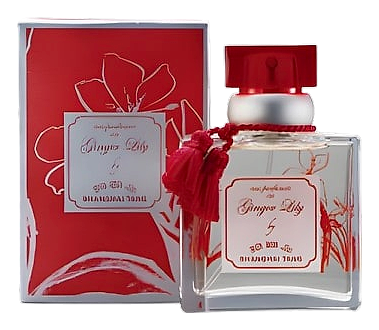
The Silk Road Collection arrived in 2014 as Shanghai Tang's fragrant answer to the ancient trade routes that once connected East and West. Eight fragrances. Eight is lucky in Chinese culture, a number that means balance, prosperity, promise. Carlos Benaïm built the collection from the textures of that journey: rich fabrics, vivid color, the mystery of things carried across thousands of miles. Gold Lily is the fifth in the series, named for a flower with deep roots in Chinese heritage, one of the raw materials that made those ancient caravans worth knowing. It doesn't announce itself. It arrives.
What makes Gold Lily interesting is its restraint. The pyramid lists two notes. Two. Yet the composition reads as layered, warm, and surprisingly complex. The ginger lily, distinct from the more common Easter lily or tiger lily, carries a waxy, almost green facet that keeps the floral honest instead of sweet. The musk doesn't compete with the flower. It amplifies it, wrapping the lily in something skin-close and warm. The result is a white floral that behaves like a skin scent from the start rather than evolving into one. Powdery without being dusty. Warm without being heavy. That's the trick of it.
The evolution
The opening arrives soft. A creamy lily, almost waxy, like pressing your nose to a white petal. There's a greenness here, but it reads as stem, not leaf. Within twenty minutes, the powder comes forward. Not baby powder. Something softer. The talc suggestion of good facial powder, keeping the floral delicate rather than loud. The heart phase belongs to the musk. After an hour, you stop smelling the lily and start smelling skin, warm skin, the kind that arrives when a fragrance stops projecting and starts living close. The drydown is intimate. The next several hours, the musk rules. It's warm, close, and barely there, the kind of presence someone notices only when they're near enough to notice. By hour eight, a whisper of powder and warmth remains. This is the fragrance for after the entrance.
Cultural impact
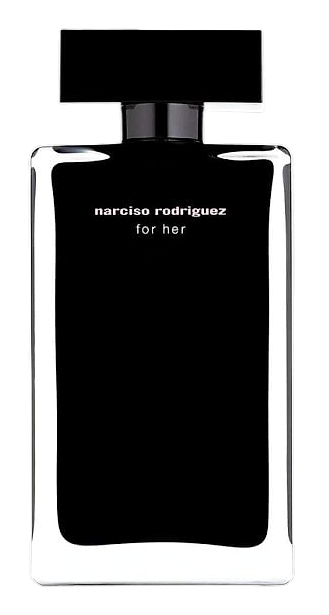
Gold Lily occupies a particular corner of the white floral world, the lane between sharp jasmine and powdery aldehyde, closer to Narciso Rodriguez For Her in its musk-forward intimacy. The ginger lily itself is unusual. Not the heady tuberose, not the indolic jasmine, something quieter and harder to place. Wearers who find it tend to call it feminine, elegant, and comfortable, a fragrance that feels like it belongs to someone confident enough not to need attention. The moderate sillage suits that posture. It doesn't fill a room. It marks one.
The House
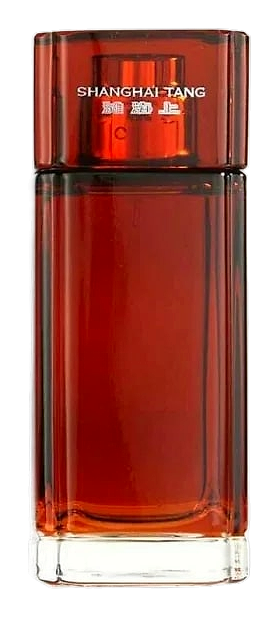
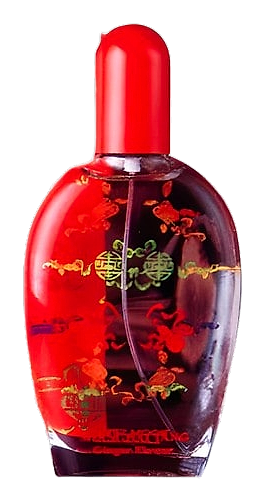
Shanghai TangShanghai Tang is a Hong Kong fashion house established in 1994 by entrepreneur David Tang. The brand takes its name from the transliteration of Shanghai Bund in Chinese, reflecting its deep connection to the citys historic waterfront promenade. While primarily recognized for fashion and homeware, Shanghai Tang expanded into fragrance in 2008, introducing its first scent collection in collaboration with notable perfumers Carlos Benaïm and Sonia Constant. The house is particularly known for the Silk Road Collection released in 2014, which drew inspiration from ancient trade routes connecting East and West. Notable fragrances include Black Iris Men, Black Iris Women, and the Oriental Pearl series. Shanghai Tang also offers home fragrance options inspired by Chinese tea traditions, including Longjing Dew, Oolong Glam, and White Tea variants. The brand occupies a distinctive position as a Hong Kong label interpreting Chinese heritage through contemporary design.
The Creator
Carlos BenaïmCarlos Benaim's signature style is immediately recognizable to those who know what to look for: confident masculinity rendered with surprising elegance, clean structures that reveal unexpected depth, and a mastery of aromatic and woody materials that few can match. His masculi…