
The Story
Why it exists.
The beginning
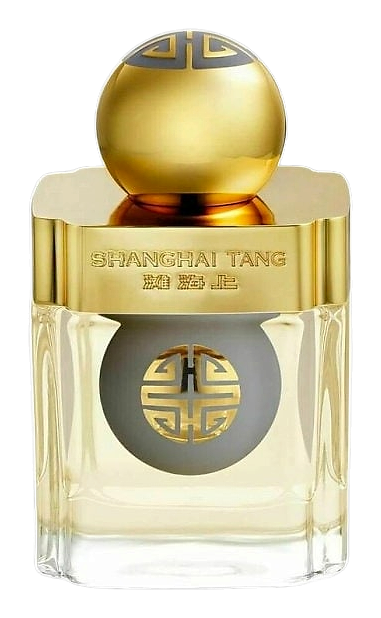
Oriental Pearl arrived in 2015 from the house of Shanghai Tang, a fashion label with a sharp instinct for the meeting point between East and West. The composition was shaped by Carlos Benaïm, a perfumer who has built a body of work through long-standing collaborations and a particular gift for orientals that hold back just enough to let the materials breathe. The juice underneath refuses the easy read the name invites. No bright citrus opening, no mineral shimmer, no cold gleam on the skin. What you get instead is a warm, resinous hush, the kind of fragrance built to wear close rather than announce itself from across a room. The structure is tight, almost monastic in its simplicity, and it leans hard into the sticky, low-lit side of the oriental spectrum.
What makes this composition worth a second look is the absence. There is no citrus opening, no sharp spice, no animalic note pushing the formula into territory most orientals reach for. Instead, five materials carry the entire structure, weighted heavily on resin and root. Siam benzoin gives the composition its sweet, almost vanilla-adjacent warmth, a resin that reads warm and slightly medicinal at high doses, here kept restrained. The patchouli grounds it, dark and earthy, a root note that anchors the composition without ever tipping into the muddy or harsh.
The evolution
The first hour reads almost entirely in benzoin and patchouli, with the rose present but not leading. The sweetness from benzoin comes forward first, a caramel-adjacent warmth, then the patchouli settles underneath, dry and slightly bitter, giving the composition its spine. Vanilla softens the edges within the first two hours. By hour three, the composition shifts from resinous-sweet to something more ambery, the benzoin now reading as amber warmth rather than confection. The rose absolute appears more clearly in the heart phase, giving the composition a faint dusty-floral undertone, never headlining. By hour six, the drydown is mostly patchouli and a warm, skin-like benzoin amber. It does not project aggressively at any point. On a sweater the next morning, the trace is amber-vanilla, soft and slightly powdery.
Cultural impact
Oriental Pearl sits in a quieter corner of the fragrance world, less hyped than the headline orientals that dominate retail counters, but recognizable to anyone who has spent time around the genre. The composition reads as a deliberate exercise in restraint, a five-note formula that does not reach for saffron or any of the other high-volume materials that often define the category. Worn by people who already know what they like and prefer their fragrance warm, close, and uncomplicated, it occupies a specific lane in the oriental conversation, one built for repeat wear rather than first-impression theater.