
The Story
Why it exists.
The beginning
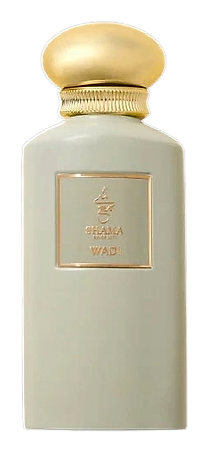
Shama Perfumes has operated from Mumbai since 1977, building its identity on the ancient traditions of Indian attar-making rather than the volume-driven approach of modern Western fragrance houses. This background informs everything about Wadi, from its note concentrations to its wear philosophy. The brand does not pursue sillage as a virtue; instead, it treats fragrance as a private experience, something worn for memory rather than for others to notice. Wadi was developed within this tradition, choosing ingredients that carry weight without broadcasting it.
The note selection reflects Shama's philosophy that restraint creates depth. Each ingredient was chosen not for novelty but for its role in the arc. Black pepper and bergamot open with purpose; sandalwood and vetiver ground with purpose; saffron and suede resolve with purpose. No note exists for accident. The pairing of sandalwood with suede in the drydown specifically evokes the wadi itself, a dry riverbed whose smooth stones have been polished by time. The pairing of pink pepper with frankincense at the opening mirrors the valley's duality, bright heat meeting cool resin.
The evolution
The journey of Wadi follows a deliberate arc from drama to shelter. The opening deploys five materials, black pepper, pink pepper, bergamot, frankincense, and allspice, that work together to create immediate presence. This is the valley seen from above, a bold visual statement. As minutes pass, the scent transforms: sandalwood arrives with its creamy texture, vetiver adds earth and grounding, and rose quietly appears as a softening counterpoint. This is the valley from within, sheltered and settled. The drydown strips away remaining brightness, leaving only saffron and suede, two materials that share a worn, intimate quality. The fragrance becomes something you discover on yourself rather than something others discover on you.
Cultural impact
Since its introduction, Wadi has become a reference point for modern Middle‑Eastern spice compositions, influencing both niche houses and mainstream brands. Fragrance enthusiasts cite its balanced blend of bergamot, black pepper, and frankincense as a catalyst for a renewed interest in aromatic spice accords. Over the past few years, online forums have noted a rise in DIY blends attempting to capture its distinctive vetiver‑rose heart, demonstrating its cultural ripple effect beyond the perfume aisle. Retailers report increased foot traffic in sections featuring spiced woody scents, attributing the trend to Wadi’s growing reputation as a benchmark for sophisticated, yet approachable, olfactory experiences.