
The Story
Why it exists.
The beginning
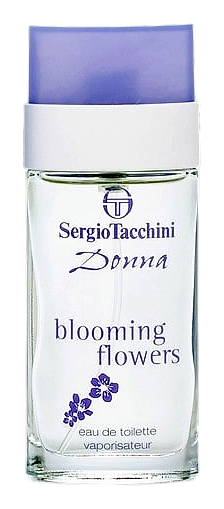
Donna Blooming Flowers arrived in 2011 as Sergio Tacchini's invitation to young women stepping into their own skin. The name said everything: not the idea of blooming, but blooming itself, messy, abundant, certain. The brief was clear, florals, nothing but florals, six of them, and the formulation delivered without hedging. It wasn't trying to smell like anything else on the market. It was trying to smell like a garden in May, before anyone had a chance to edit it down.
Six florals in an EDT is unusual. Most houses dilute their floral intent with citrus tops or woody bases, creating contrast that reads as sophistication. Donna Blooming Flowers refuses that logic. Peony and lily of the valley arrive first, bright, almost startled, then iris and jasmine build warmth and powdery depth, and finally gardenia and lilac anchor everything close to the skin for hours. The result is white floral density without the synthetic bite that usually comes with it. The balance between green freshness and powdery depth is what makes this interesting. Not too sweet, not too austere. The kind of clarity that comes from knowing exactly what you want to say and saying it.
The evolution
The opening is green and immediate, peony and lily of the valley arriving bright, almost startled by their own freshness. There's no hesitation here, no subtlety trying to seduce you. Within the first hour, jasmine adds warmth and iris brings its signature powdery depth. The energy shifts from innocent to something more intentional, more aware of itself. The late drydown belongs to gardenia and lilac. These two hold closest to the skin for several hours, creating a quiet presence rather than one that fills the room. Moderate sillage throughout, consistent without ever being loud. Gardenia brings its opulent, waxy richness. Lilac adds a cooler, slightly bitter edge that prevents the whole thing from going saccharine. The tension between them shifts depending on skin chemistry, sometimes warm and creamy, sometimes sharper and more green. The lasting impression is of florals that didn't compromise.
Cultural impact
Released in 2011 by Sergio Tacchini, Donna Blooming Flowers arrived during a transitional era in fashion perfumery when accessible luxury was becoming increasingly important to younger demographics. The fragrance reflects the period's broader cultural moment, capturing a shift in how young women engaged with scent as a form of self-expression. Rather than leaning into the overtly sweet or heavily synthetic compositions popular at the time, the 2011 composition chose restraint and authenticity. The straightforward six-floral structure represents a deliberate departure from the fruity, gourmand, or woody directions many competing brands pursued.