The Story
Why it exists.
The beginning
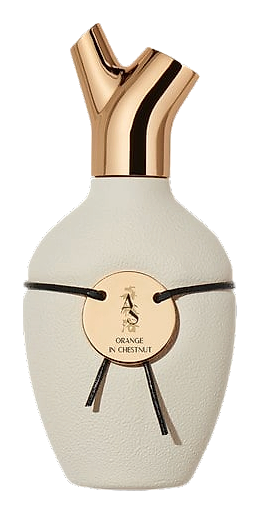
Carlos Benaïm built Orange in Chestnut around a simple proposition: capture the full life of an orange tree, not just its first bright hour. The name is honest, orange enters, chestnut and cedar stay. The composition carries an unexpected warmth underneath the white florals, a quality that gives the fragrance depth without overwhelming the orchard character at its center. Benaïm understood that orange blossom and cedar could carry the entire story if you let them breathe. The result is a fragrance that opens like sunshine and ends like late afternoon in a grove, golden, warm, still. There's a restraint here that lets each material speak in turn rather than competing for attention, and that patience is what makes the whole thing work.
What makes Orange in Chestnut interesting is the tension between accessibility and craft. The orange blossom absolute, neroli, and bigarade trio is classic, familiar in the way that well-loved materials always are. But the cedar changes how those materials settle on skin. The cashmeran and amber Xtreme don't compete with the white florals; they lift them. The result is orange blossom that smells true, not like a simulation. This is the kind of composition that rewards attention, the citrus doesn't fade so much as transform, finding new context in the woody base.
The evolution
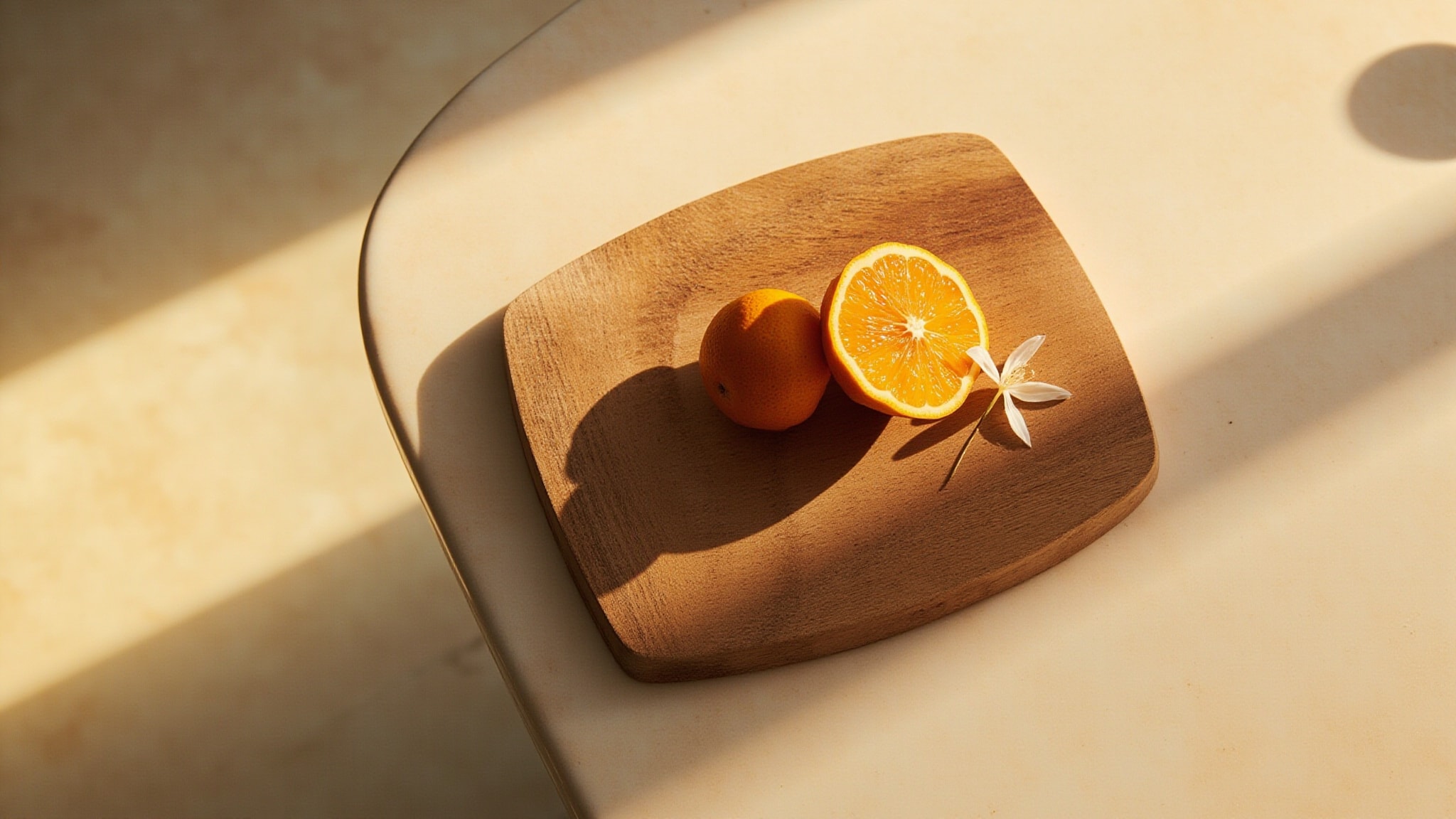
The opening hits immediately, bitter orange and bergamot creating that instant juice, that sense of having just peeled something. It's bright, almost sharp, and for the first stretch you're in full sunlight. Then the neroli arrives. Softer, sweeter, the delicate floral that turns citrus into blossom. The jasmine adds a slight indolic depth, but cashmeran keeps everything warm and close rather than heady. As the fragrance develops, cedarwood takes on a more prominent role, not sharp or pencil-like, but warm and rounded. The orange doesn't disappear. It becomes the quiet background to something woodier and more grounded. The drydown becomes intimate and close, with the white florals lingering in the cashmeran warmth. On fabric, this lingers for hours. The sillage stays close to the skin rather than announcing itself, which only draws you deeper in.
Cultural impact
Orange in Chestnut occupies an interesting space between accessible and artisanal. It doesn't perform niche by hiding behind complexity or rarity, instead it refines familiar materials with care and intention. The wearers who connect with it tend to value process over novelty. They appreciate that the alcohol itself contributes something. In a market saturated with citrus splashes and safe white florals, this one has actual architecture. The composition shows what happens when a perfumer trusts simple materials to do heavy lifting, letting the orange blossom and cedar speak for themselves without ornamentation.