
The Story
Why it exists.
The beginning
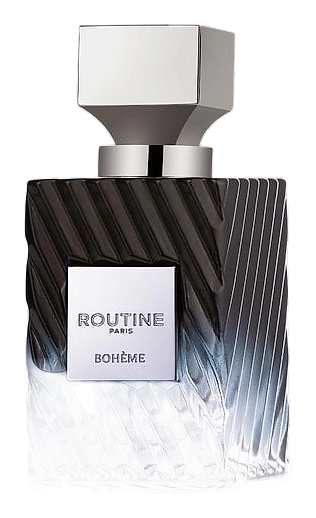
Bohème arrived in 2025 from Routine Paris, a French fragrance house founded in 2019 and drawn to the poetry hidden inside ordinary rituals. The name points toward a freer kind of elegance, but the available facts don’t name a specific creative brief or perfumer. What they do show is a composition built around contrast: airy neroli and ambrette meet a floral center of iris, orange blossom, and rose, then sink into milk, sandalwood, and white amber. It reads like a fragrance that wants to be noticed, just never loudly.
The interesting part is the way familiar materials refuse to stay in their usual lanes. Neroli brings citrus brightness without a sharp splash, while ambrette gives the opening a soft, musky grain. Iris adds a cool, powdery center beside the more romantic lift of orange blossom and rose. Down below, milk makes the composition feel almost edible, sandalwood gives it a polished woody spine, and white amber leaves a warm glow rather than a dark resinous trail. It’s a familiar floral-musk idea with a creamy twist.
The evolution
The opening begins with a clean, citrusy lift from neroli, balanced by the velvety, pear-like character often associated with ambrette and softened by white musk. That brightness doesn’t shout. It gives way to a more composed floral heart, where iris brings powder and cool polish, orange blossom lifts the air, and rose adds a human warmth. As the fragrance settles, the composition changes texture. Milk softens the floral center, sandalwood draws the scent toward something more tactile and woody, and white amber leaves a soft, golden hunk of warmth. The result is the sort of 4-6 hour presence that stays associated with you, especially on skin or fabric, rather than announcing itself across a crowded room.
Cultural impact
Bohème fits Routine Paris’s stated interest in finding beauty in ordinary, unceremonious moments. Its position is less about loud celebrity appeal than quiet personal style: the sort of fragrance for someone who wants polish and intimacy rather than a fragrance designed to dominate the room. The powdery floral-musk profile also places it within a familiar contemporary register, while the milk-and-sandalwood base gives it a softer, more tactile point of view.