
The Story
Why it exists.
The beginning
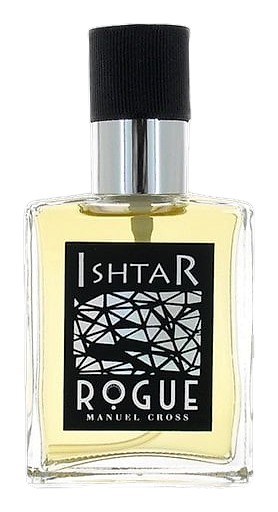
The name comes from Ishtar, the Mesopotamian goddess of love, war, and fertility, a deity who traversed worlds and demanded attention without asking for it. Manuel Cross named this fragrance after her not for spectacle, but for the duality: tenderness and power in the same breath. The 2020 release arrived as something unexpected within the Rogue catalog, softer than expected, sweeter than expected, floral in a way that feels earned rather than ornamental. Cross built it around the tension between austere resins and unexpected warmth, a fragrance that doesn't raise its voice but doesn't need to.
What makes Ishtar structurally interesting is how its dominant sweetness arrives in the opening rather than the base. Most resin-forward compositions use sweetness as an anchor in the drydown, a distant warm glow. Here, benzoin leads from the first spray, almost aggressively sweet before the juniper and frankincense arrive to complicate things. The lily in the heart is unusual for this style, it adds a soft, slightly powdery floral quality that distinguishes Ishtar from heavier oriental compositions. The frankincense and myrrh don't overwhelm; they frame. The result is a fragrance that feels warm and approachable without being soft, resinous without being dark.
The evolution
The opening salvo is all about the benzoin. Sweet, almost syrupy, with a vanillic warmth that could read as gourmand on paper but never quite arrives there, the juniper keeps things sharp, almost minty-fresh at the edges. Within thirty minutes, the composition shifts. The sweetness doesn't disappear; it deepens. Powdery frankincense enters like a quiet counter-melody, slightly makeup-like, while the myrrh adds a nutty, woody warmth beneath. The juniper fades by the second hour, leaving the benzoin still audible but no longer dominant. By the heart's midpoint, you've got a warm, resinous-floral composition that feels cohesive and surprisingly soft. The sillage drops from moderate to intimate, you're now wearing something close to skin, something that requires leaning in. The drydown is where Ishtar earns its longevity reputation. Musk and sandalwood take over as the resins recede, but the benzoin lingers, sweet, warm, close. Eight to ten hours in, it still reads. On fabric, it can be detected the next morning. Not projecting. Not demanding.
Cultural impact
Ishtar occupies an unusual space in the Rogue catalog, warmer, softer, more approachable than the house's typical darker compositions. For wearers new to Rogue, it functions as a gateway: resinous enough to signal the house's identity, floral and sweet enough not to alienate. The reception has been split in the way that tends to indicate something interesting: fans of Rogue's edgier work sometimes find it too soft, while those who prefer warmer, powderier fragrances discover a new favorite. Either way, it earns attention for doing something the house rarely attempts.