Heritage
A house, in its own words
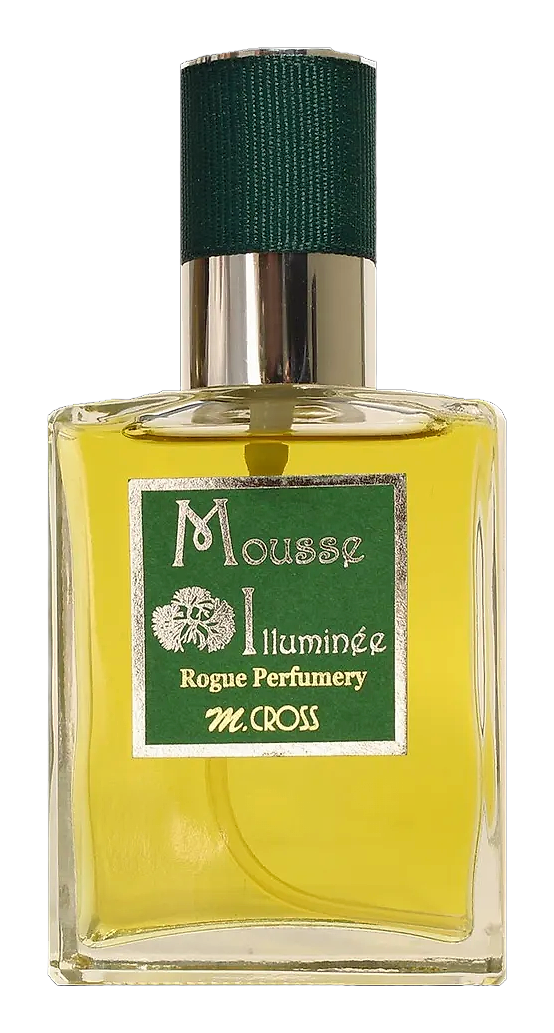
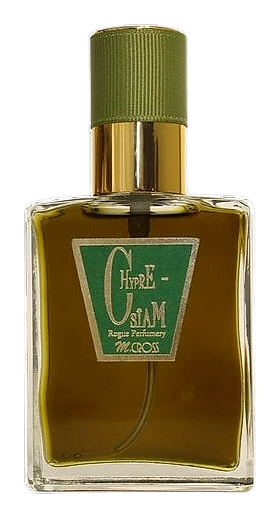
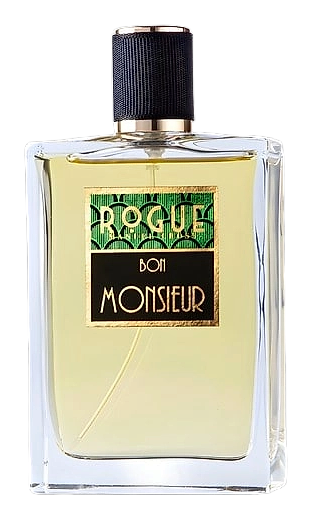
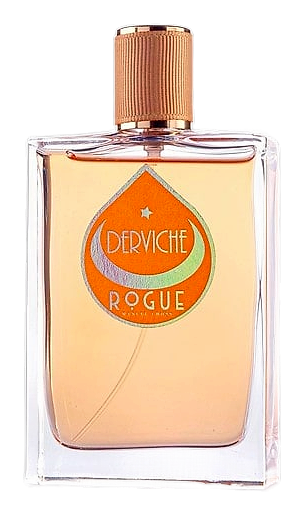
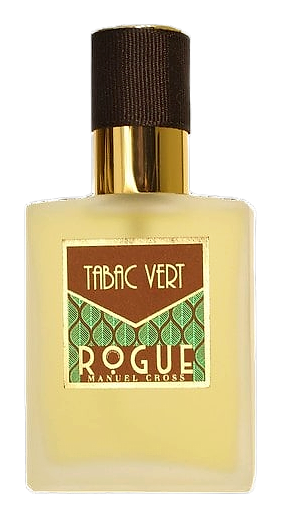
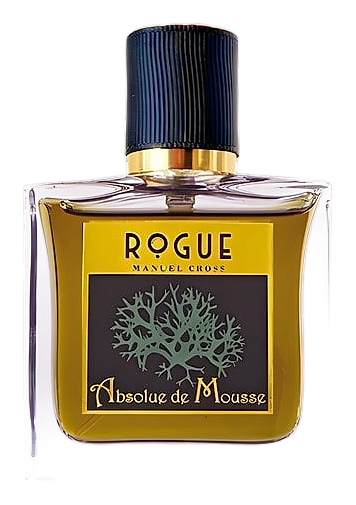
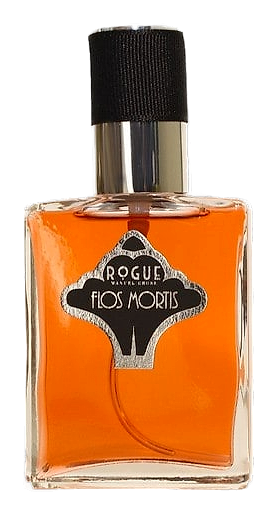
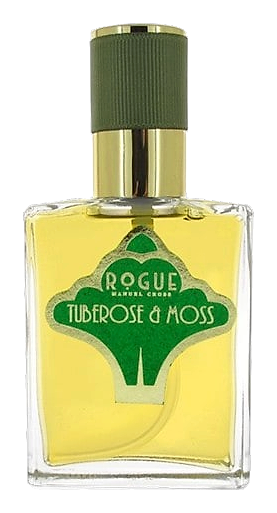
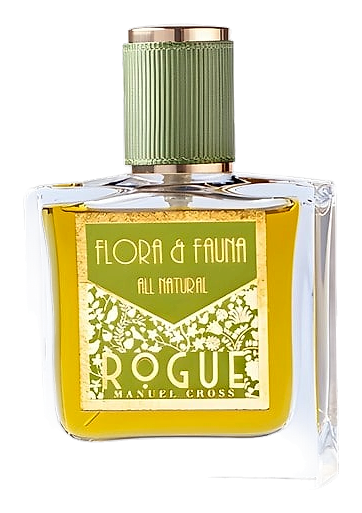
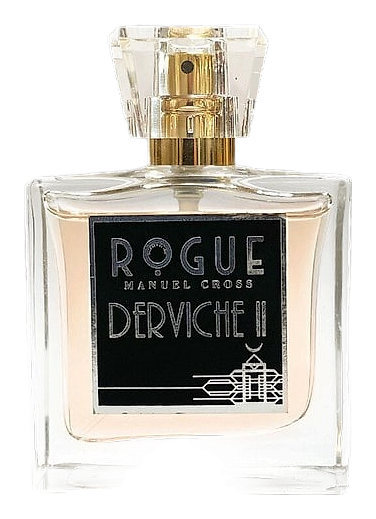
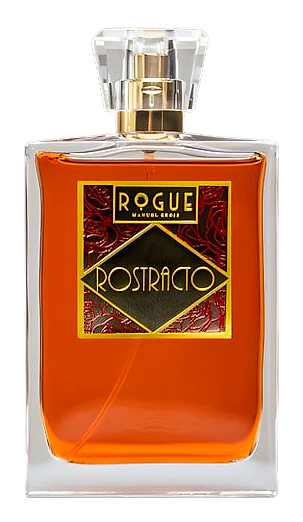
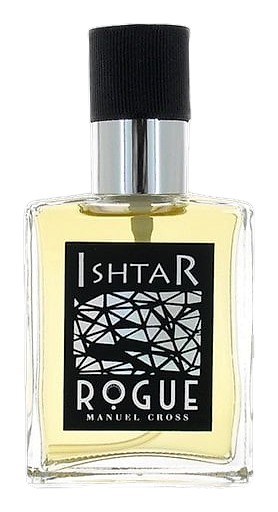
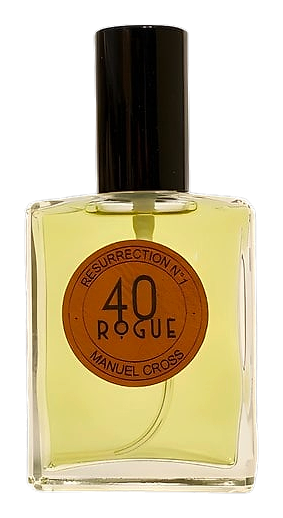
Manuel Cross spent 25 years as a professional chef before a career pivot brought him into the world of fragrance. During his culinary career, he worked alongside Wolfgang Puck, among other notable figures in the food industry. The transition from kitchens to perfumery did not happen overnight. Cross officially began his formal perfumery training on July 11, 2011, studying under Dawn Spencer Hurwitz of DSH Perfumes, according to an interview with ÇaFleureBon. This apprenticeship provided the foundational structure for developing his nose and understanding raw materials before launching his own house. Cross founded Rogue Perfumery in 2017, naming it for the independent, nonconformist spirit he brought to fragrance creation. Operating from Idaho Falls, he built the brand as a one-person operation, handling formulation, production, and business operations personally. The choice of Idaho as a base is unusual in an industry concentrated in major perfume capitals like Paris, Grasse, or New York, reinforcing the brand's self-described rogue identity. Early releases like Chypre-Siam and Tabac Vert established a signature style rooted in classical perfumery structures. Over subsequent years, Cross expanded the catalog with fragrances released at a deliberate pace, each exploring a specific aromatic territory. Rogue Perfumery's guiding principle is artistic freedom over regulatory caution. The house explicitly states it does not adhere to IFRA compliance standards, the international regulatory framework that restricts or bans certain fragrance ingredients based on safety assessments. Cross has described the brand as being about true fragrance art, a framing that positions creative vision above commercial accessibility. This stance permits the use of natural materials that might be restricted or limited in mainstream and even many niche fragrances, enabling compositions with a character that fragrance historians and connoisseurs often describe as vintage in spirit. Rather than pursuing novelty for its own sake, the house returns to well-established perfumery forms, reinterpreting them with a contemporary hand. Cross has stated in interviews that perfume should make a statement, reflecting an aesthetic philosophy closer to art than consumer product. The brand's independence from investor pressure and industry norms allows for slow, intentional development of new scents driven purely by creative interest. This philosophy manifests not as provocation but as a commitment to craftsmanship standards rooted in pre-modern perfumery practice.