
The Story
Why it exists.
The beginning
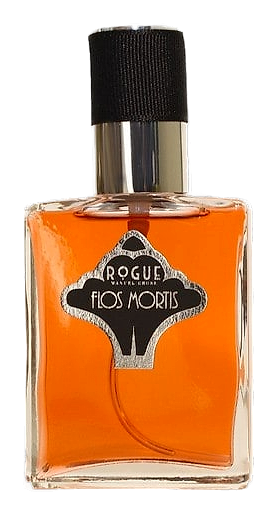
The move from kitchens to fragrance wasn't a whim, it was a recalibration of the same nose, the same attention to raw material, the same understanding of how heat transforms things. Flos Mortis emerged from that background, built around a concept Cross found too compelling to abandon: the flower of death. The name is Latin, borrowed from botanical nomenclature where mortis marks the point where something shifts from living beauty to something with more edge. Tuberose and jasmine, pushed to their most indolic extremes. Cross wasn't interested in making them polite. The composition opens with a thick, almost viscous white floral density that feels alive and insistent. As it develops on the skin, the indole lifts and darkens, taking on a sepia-toned warmth that borders on animalic.
The leather accord is what makes it work. Instead of a soft amber base that would smooth everything over, Cross used a raw black leather accord to absorb the animalic intensity, letting the florals stay loud without becoming unwearable. It's a structural choice that shows the chef's instinct: using an ingredient to do a specific job, not just to add another layer. The osmanthus and red currant add a quiet fruitiness that keeps the sweetness from becoming cloying. But the indole is the point. That 5% concentration is what gives Flos Mortis its character, the sweet, almost decayed edge of flowers that have been left too long in a warm room.
The evolution
The opening announces itself immediately. That indolic bloom hits the air before you even finish spraying, sweet, almost aggressive, the kind of presence that fills a room before the wearer walks in. Tuberose absolute leads, heady and narcotic, with Indian jasmine amplifying rather than softening. Jasmine grandiflorum shares the same indolic character, so there's no gentle handoff here. Two florals doing the same thing at full volume. The red currant arrives quietly, a faint fruitiness that cuts through the sweetness just enough to keep things interesting. Osmanthus follows, adding a waxy, apricot note that deepens the floral heart. Then the leather takes over. Not immediately, the florals hold on for the first hour, but gradually the black leather accord emerges, absorbing the indolic intensity and grounding everything in something warmer, closer to the skin. Musk threads through the drydown, keeping the leather and florals connected rather than competing. The florals don't disappear entirely. They fade, but they don't leave.
Cultural impact
Flos Mortis occupies a specific niche for those who want tuberose that doesn't apologize for itself. Discontinued now, but traded among collectors who appreciate what Cross built with that 5% indole. The fragrance makes a statement, the kind that announces presence and invites strong opinions. Its character is uncompromising and raw, pushing white florals into territory that most perfumers avoid. The composition refuses to temper its intent, instead embracing the darkest facets of the tuberose and jasmine heart.