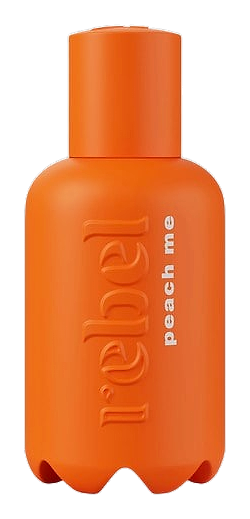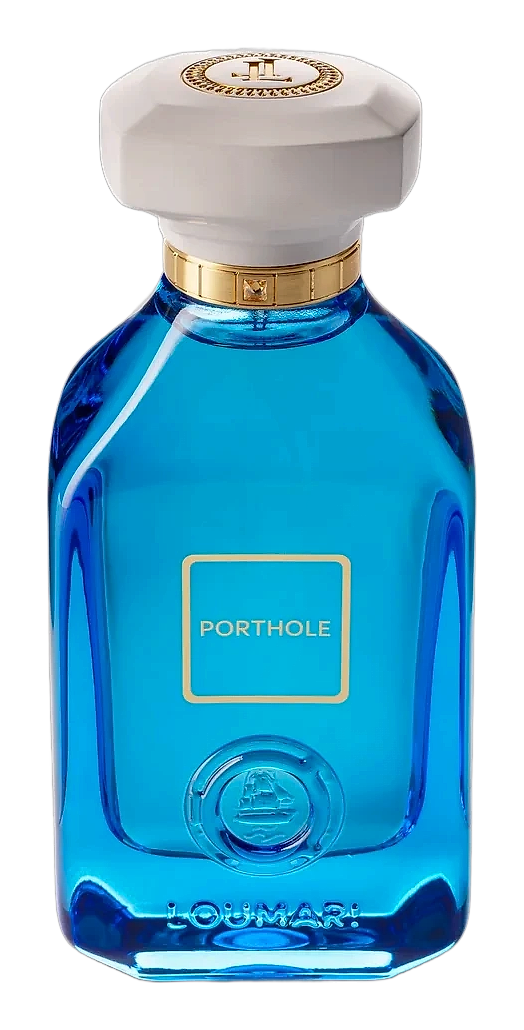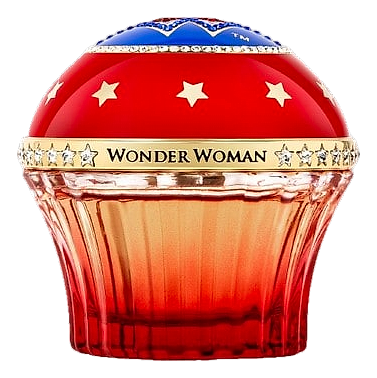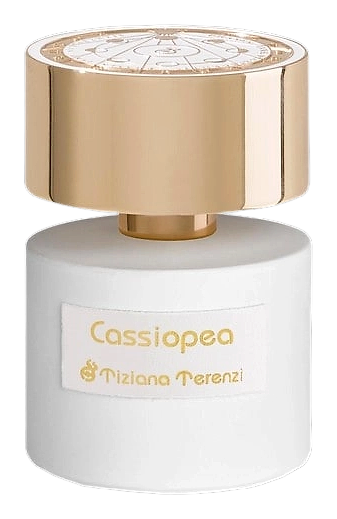

The Story
Why it exists.
The beginning
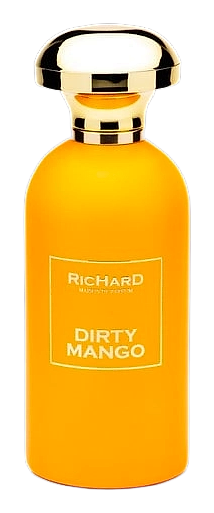
Dirty Mango began with a single obsession: what if the mango were never just a cameo? Perfumer Valerie Bessone built this fragrance around the fruit as a recurring motif, present from the first spray to the final trace on skin. The name says it plainly. No pretense. No careful framing. Just mango, in all its sticky-sweet, sun-drenched honesty. Released in 2021, it arrived in a Richard catalog already known for refusing to play it safe.
The structural choice here is unusual. Mango blossom doesn't just open the fragrance, it repeats through the heart and returns in the base, threaded through each stage like a sample in a track. In the opening, it's bright and green, braced by fir needle and geranium. In the heart, it becomes riper, juicier, amplified by pineapple. In the drydown, it settles into something warmer, skin-adjacent, vanilla-kissed, with leather providing an unexpected structural contrast. The repeated mango means the character shifts but the identity holds. That's the craft in it.
The evolution
The opening lands bright and immediate, mango blossom upfront, sharpened by lemon and lifted by fir needle. There's a green, almost resinous quality that keeps it from reading as syrupy in those first minutes. Within twenty minutes, the fir recedes and the mango deepens into something riper. Pineapple arrives, tropical, sun-warmed, a little fizzy. The composition shifts from green to juicy. By the second hour, the sweetness has settled into the skin. Vanilla and musk anchor the drydown, with leather adding a faint structural note that prevents it from dissolving entirely into sweetness. On skin that holds it well, this lasts a full workday. The sillage is strong in the first hour, then settles into something more intimate, close enough that someone standing next to you will notice, but not something that announces itself across a room.
Cultural impact
Dirty Mango arrived in 2021 as part of a broader shift in indie perfumery toward bold, unapologetic fruity-gourmand compositions. While mango had appeared in mainstream fragrances for decades, it typically served as a top-note cameo rather than a structural pillar. Richard's decision to feature mango blossom across all three fragrance stages reflected a growing appetite among enthusiasts for fragrances that committed fully to a single thematic vision. The 2021 release aligned with rising consumer interest in tropical and exotic scent profiles, driven partly by social media fragrance communities that amplified niche and indie releases. Independent houses like Richard used compositions like Dirty Mango to carve out territory between mass-market tropical flankers and traditional perfumery, appealing to collectors who wanted something unmistakably distinctive. The mango-forward structure also positioned the fragrance within the broader fruity-gourmand movement that dominated indie perfumery discussions throughout the early 2020s.
The House
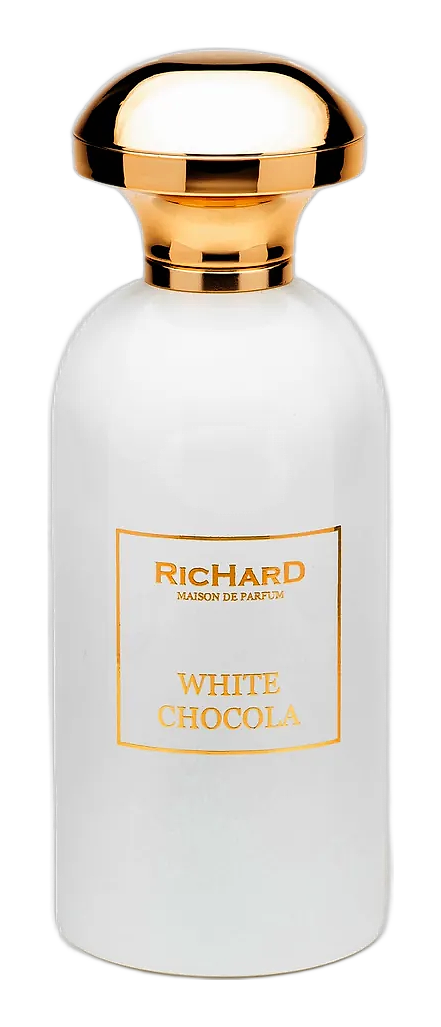
RichardRichard is a niche fragrance house that emerged from a deeply personal creative journey. Founded by a perfumer who spent years developing an idea sketchbook before launching the brand, Richard approaches scent creation as an intimate form of expression. The house is known for bold, unapologetic fragrances that explore unexpected combinations, from the addictive sweetness of Light Side to the provocative edge of Venom. Each release feels like a statement, a olfactory character study that refuses to play it safe. The brand operates independently, which means every creative decision flows directly from the founder's vision rather than market research or commercial calculations. Richard's catalog spans gourmand territory with Cake Pops and White Chocola, ventures into tropical territory with Dirty Mango and Dirty Pineapple, and ventures darker with Dark Side and Green Virus. The brand's recent 2024 release of Cherry Show suggests a continued willingness to push boundaries and explore playful, provocative territory that challenges conventional fragrance categories.
The Creator
Valerie BessoneBessone's technical background gives her formulations an architectural clarity. Where some perfumers build from impression downward, she constructs from the molecular level up, understanding how each material behaves under different conditions and how the finished composition…