
The Story
Why it exists.
The beginning
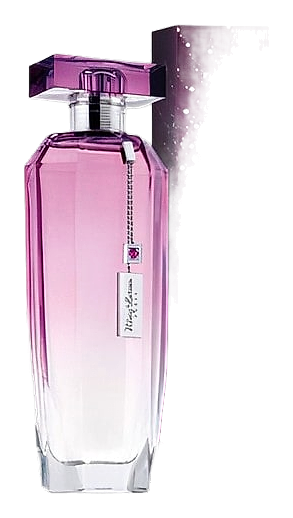
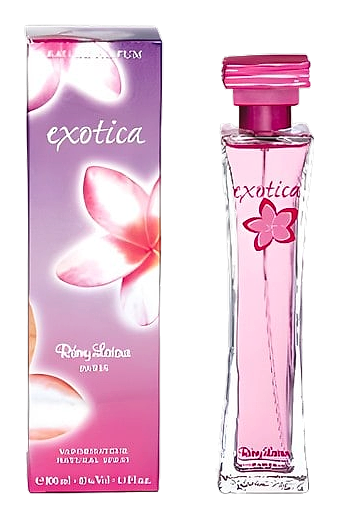
Exotica arrived in 2002 as Rémy Latour's answer to the woman who wanted romance without complication. The house had built its reputation on masculine refinement, leather, smoke, quiet confidence, but Exotica asked a different question: what does feminine sophistication smell like when it's not performing? The answer was this. Blackcurrant and mandarin opened bright and uncomplicated, the kind of entrance that says hello without asking for attention. Beneath, a quiet chorus of florals did the real work, not shouting, just present, the way real elegance tends to behave.
The note structure is deceptively simple: fruit, florals, woods. What's interesting is how the blackcurrant leaf, green, slightly tart, keeps the rose and freesia from tipping into sweetness. And the base of cedar and sandalwood does something Rémy Latour does well across their range: it adds warmth without weight. The sandalwood in particular gives the drydown a creamy quality that keeps the whole composition feeling feminine without ever becoming cloying.
The evolution
The opening hits bright and tart, blackcurrant and mandarin zing together like citrus, but softer. No sharpness here. Within minutes, the florals start arriving. Freesia comes first, then lily of the valley settling in beside it. The rose is the quiet one, present but not leading. By the second hour, the cyclamen adds a tiny pulse of something almost green, the scent of stems, of living flowers. Then the handoff. Sandalwood and cedar arrive together, wrapping the florals in warmth. The blackcurrant doesn't disappear entirely, it lingers at the edges, keeping things just fruity enough. What stays closest to skin is the woods. Six hours in, on fabric, it's still there, faint and clean.
Cultural impact
Exotica arrived during a period when fruity-floral compositions were defining mainstream women's perfumery. Rather than chasing the trend, Rémy Latour applied their characteristic restraint, creating something that felt romantic and sophisticated without the sometimes-excessive sweetness that genre could produce. The 2002 launch placed it alongside early-2000s fruity-florals from larger houses, though Rémy Latour's approach was quieter, less interested in making a statement than in creating something wearable for the long haul.