





Heritage
A house, in its own words
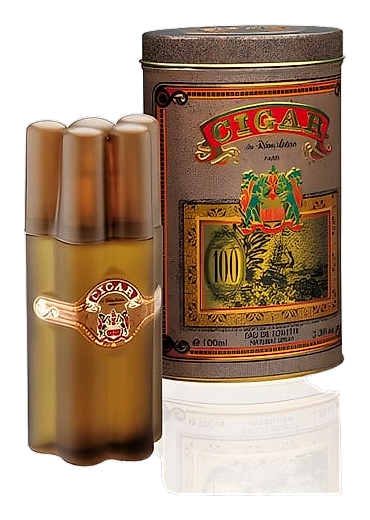
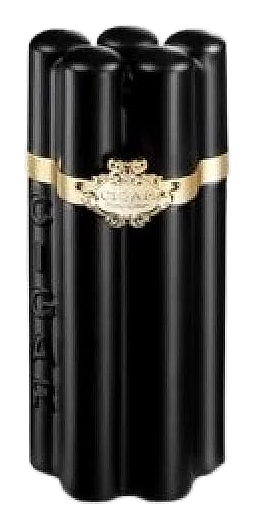
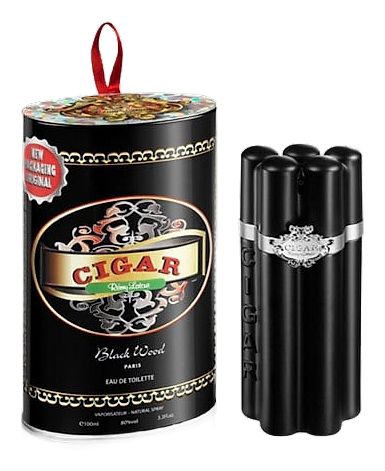
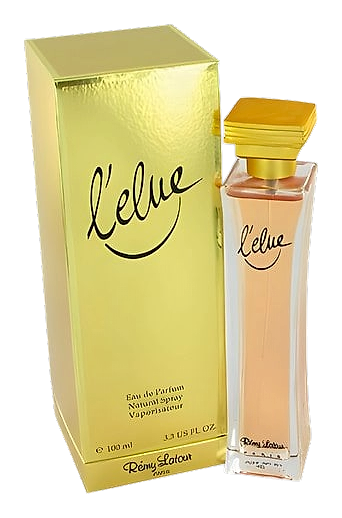
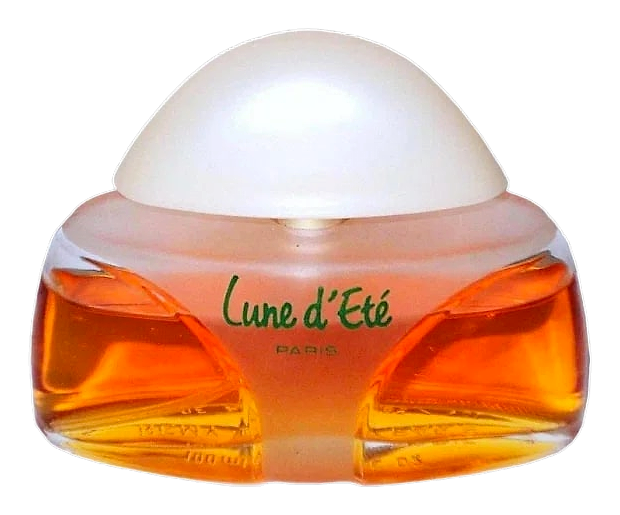
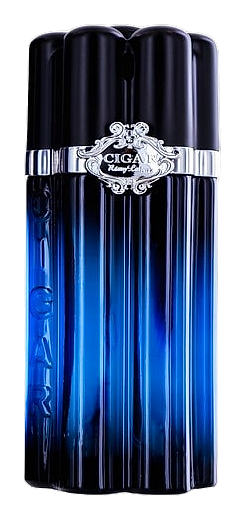
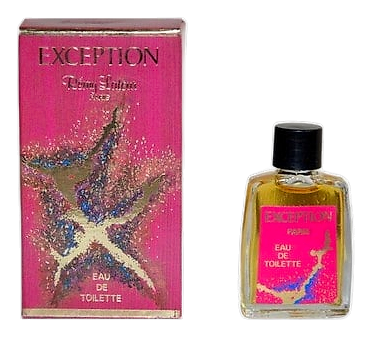
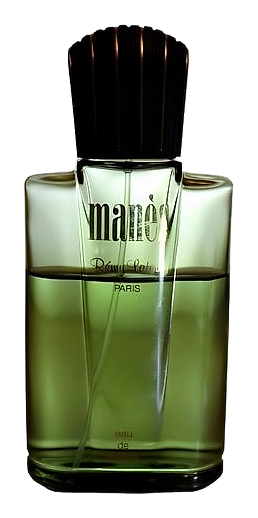
Rémy Latour emerged from the Parfums Parour group, establishing itself as a refined presence in French perfumery with roots in Paris. The house's earliest documented fragrance work dates to 1989, when it introduced foundational releases including Nuit d'Été à Paris, Si Tendre, and the masculine Rémy Latour Pour Homme. These initial offerings established the brand's voice: elegant, considered, and quietly confident. Throughout the 1990s and 2000s, the house expanded its portfolio steadily, releasing Attractive in 1989, Manès in 1990, Lune d'Été in 1993, Exception in 1994, Diamond Rain in 2000, and L'Élue Première in 2000. The house maintains an active retail presence today, with dedicated sections for women's and men's fragrances on its official platform. Rémy Latour designs for individuals in perpetual search of distinction. The brand describes its audience as hedonists at heart, people who approach scent not as a daily obligation but as a sensory pleasure to be curated. Rather than chasing trends, the house pursues subtle intensity, creating fragrances that linger without overwhelming. This philosophy shapes every decision, from note selection to sillage calibration. The Cigar collection, perhaps the house's most recognizable facet, embodies this ethos particularly well, translating the warmth and complexity of premium tobacco into wearable olfactory experiences. The brand's approach rejects excess in favor of refinement, suggesting that true luxury speaks softly but memorably.