
The Story
Why it exists.
The beginning
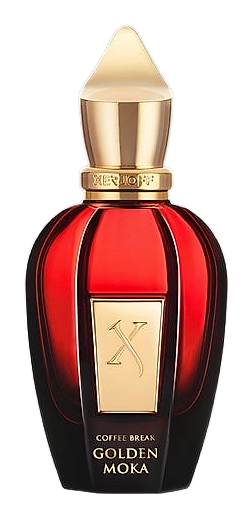
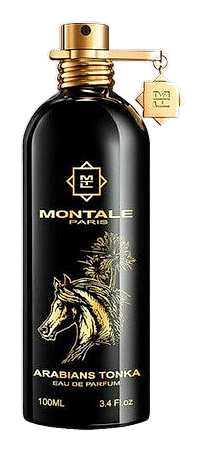
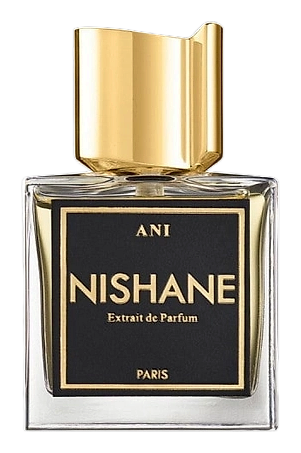
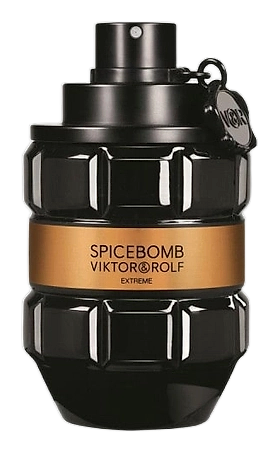
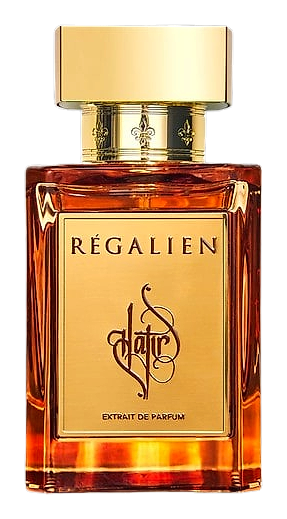
Hatir is built on a single metaphor: a coffee has a memory of forty years. In Turkish, the word itself carries weight, not just the drink, but the act of pausing, of connection, of remembering. The fragrance opens with Turkish coffee as a deliberate choice, a bitter and immediate jolt that grounds you in the present while reaching backward. Around that core, the composition builds: amber and white chocolate soften the edges, vanilla and tonka bean add warmth, and vetiver brings a quiet earthiness that keeps everything honest. It's not trying to smell expensive. It's trying to smell like something that happened to you.
What makes Hatir interesting is the way it refuses to stay in one place. The coffee-ginger opening is sharp, almost medicinal, the kind of thing that either pulls you in or makes you wait. But the galbanum keeps it green, keeps it alive, and the white chocolate in the heart doesn't sweeten so much as soften. By the time the caramel and vanilla arrive, the fragrance has already had a whole conversation with your skin. That's not something every Oriental can claim.
The evolution
The opening is a statement. Turkish coffee, ginger, a flash of green from the galbanum, it announces itself without apology and holds for fifteen, twenty minutes before the first shift. Then the iris appears, powdery and cool, followed by vetiver's earthy quiet and white chocolate that doesn't cloy. The handoff is seamless. The coffee doesn't disappear so much as dissolve into the composition, becoming part of the warmth rather than the sharpness. By the third hour, you're in caramel-vanilla territory, close to the skin, projection fading to a whisper. But the memory lingers. On fabric, eight hours later, the drydown still reads: sweet, warm, present. This is a fragrance that earns its longevity.
Cultural impact
Hatir draws from a rich tradition of Middle Eastern perfumery where coffee has long been ceremonial, not merely aromatic. The use of galbanum connects to ancient Egyptian and Mediterranean apothecary practices, while ginger speaks to the spice trade routes that shaped both commerce and culture across continents. This fragrance bridges heritage and modernity, inviting wearers into a sensory experience rooted in ritual and craft.