The Story
Why it exists.
The beginning
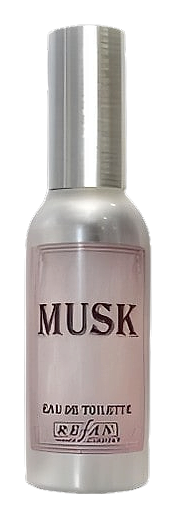
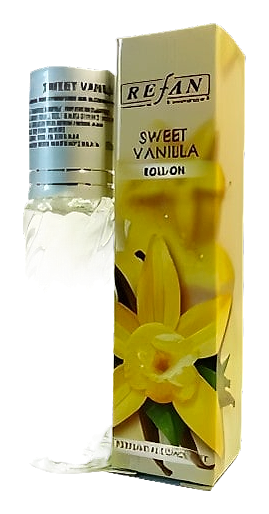
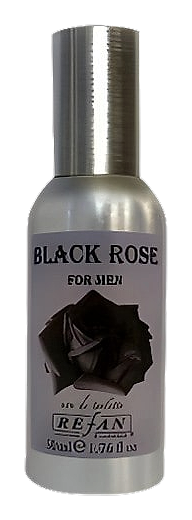
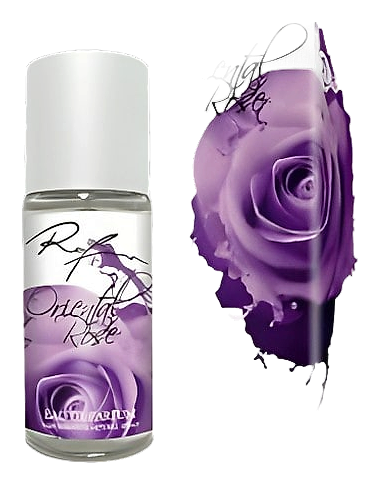
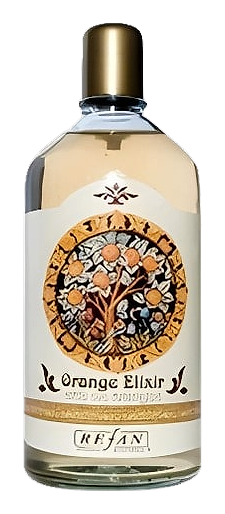
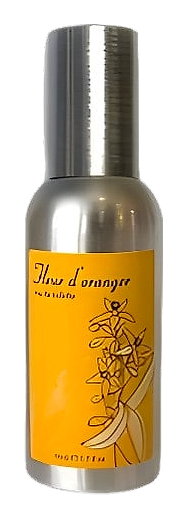
Fleur d'Oranger comes from Refan, the Bulgarian fragrance house with a catalogue built around accessible, often floral-forward compositions. Rather than treating orange blossom as a clean, single-note soliflore, the perfumer behind it took the flower and built an entire garden around it. Jasmine and tuberose stack against the orange blossom, each adding a different kind of weight and waxiness until the composition stops being a depiction of one flower and starts being an impression of standing in a garden in full bloom, with petals falling and stems still green beneath your feet. The scent is part of Refan's broader white-floral range, sitting among other floral-centric offerings in the line. It's a composition that wants to be noticed.
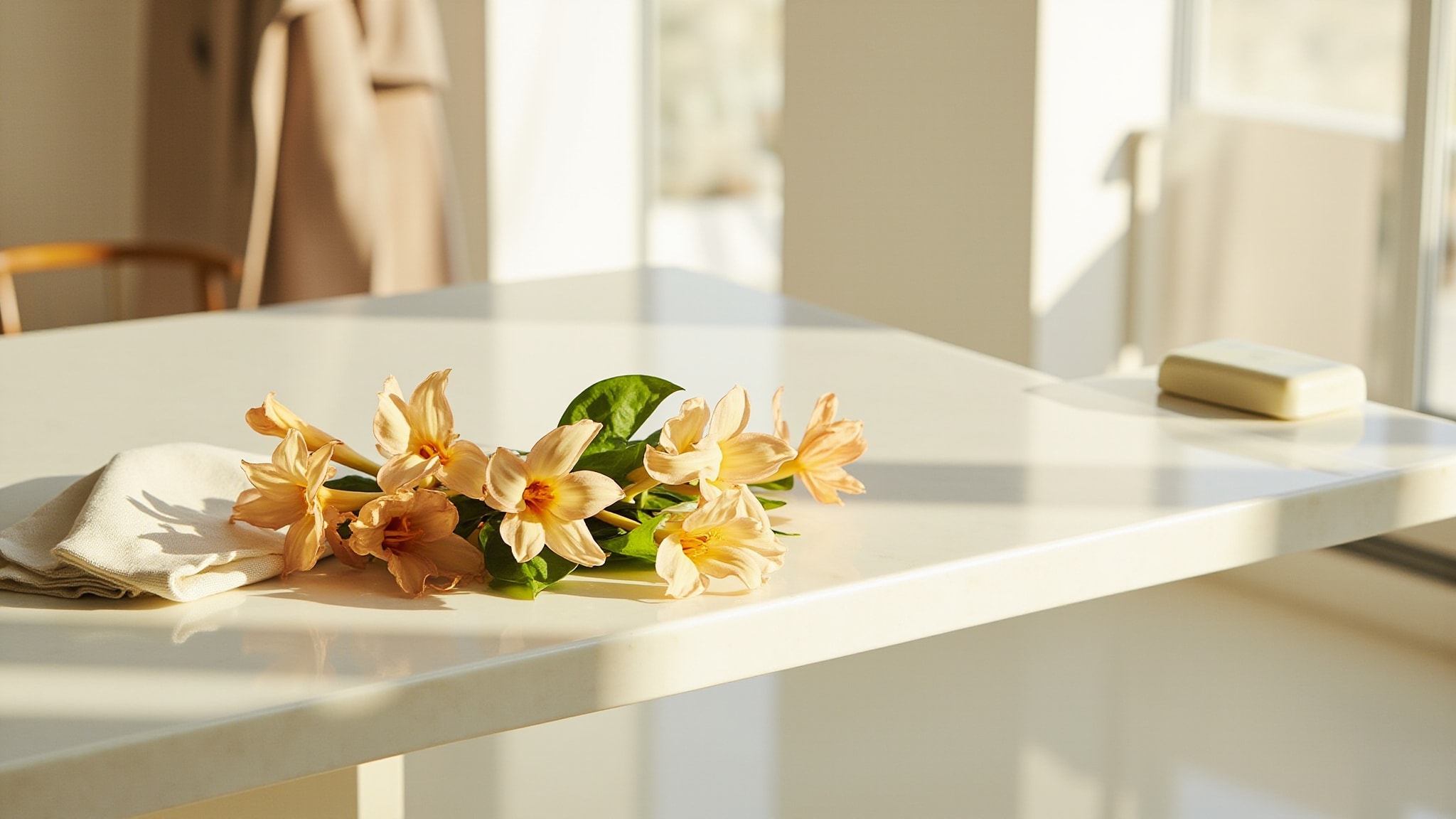
What makes this orange blossom worth slowing down for is the density of it. Rather than building around a single distilled essence of the flower, the composition pulls in jasmine for lift and brightness, then sets tuberose against it for that thick, almost buttery depth that orange blossom on its own rarely reaches. The result is a scent that doesn't smell like one flower; it smells like a crowd of them, all competing for the same patch of sunlight. That density changes how the fragrance wears. It doesn't sit quietly at the wrist waiting to be noticed.
The evolution
Fleur d'Oranger opens with a rush. Orange blossom, jasmine, and tuberose arrive together, dense and sweet, almost edible in their richness. There's a candied quality to the first few minutes, like honey poured over fresh petals, with the tuberose giving the whole thing a waxy, substantial base while the jasmine keeps the top bright and alive. This opening doesn't whisper. It announces. After that initial sweetness starts to settle, the composition begins to shift. The orange blossom loses some of its sharper edges and the jasmine and tuberose start to blend into a more unified white-floral mass, less individuated and more like a single warm haze. The sweetness remains, but it softens, becoming less sugary and more like the warm, slightly creamy impression of petals left in a closed room. In the later hours, the musk underneath begins to surface more clearly.
Cultural impact
Fleur d'Oranger stands out within Refan's white-floral range as one of the more generous compositions in the line. It draws the kind of wearer who wants their orange blossom to fill a room rather than sit quietly against the skin. Where many orange blossom fragrances aim for transparency and restraint, this one leans the other way, building the flower into something dense and full-bodied, closer to a bouquet than a single stem. For collectors drawn to white florals that announce themselves, it remains a recognizable point of reference.