
The Story
Why it exists.
The beginning
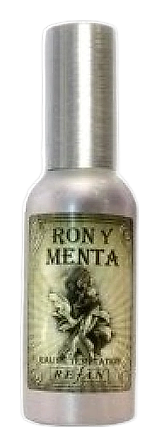
Refan, operating from Bulgaria since 1991, built its reputation on transparent sourcing and lab-tested compositions that prioritise authenticity over artifice. Ron Y Menta Eau de Temptation emerged from a brief to capture the tension of forbidden desire, a garden where temptation is coded in scent. The perfumer reached for apple as a universal symbol of allure, then layered citrus to sharpen that appeal before introducing a deliberately contrarian heart note to disrupt expectations.
Refan treats each note as a functional element rather than decoration. The apple and citrus opening serves to capture attention before the more challenging absinthe heart asserts control. Plum sweetens the transition, preventing sensory whiplash. The woody-leathery base anchors the fragrance and extends wear time, while sandalwood ensures the drydown remains approachable rather than aggressively austere.
The evolution
The fragrance opens on skin like a sunlit canopy, apple cutting through a meadow of bergamot and lemon. Within minutes, a sharp green current intrudes as absinthe rises through the heart, its bitter anise flavor colliding with ripe plum flesh. As the fruity-herbal storm settles, cedarwood and leather ground the composition in dry warmth. Sandalwood arrives last, spreading a faint creaminess that keeps the finish from turning harsh.
Cultural impact
Since its debut in the early 1990s, Ron Y Menta Eau de Temptation has become a quiet staple among men who favor crisp fruit paired with herbal depth. Its apple‑bergamot opening captures a youthful optimism that resonated with the post‑grunge era’s desire for freshness, while the absinthe‑plum heart added a rebellious edge. Over the decades it has appeared in niche forums as a reference point for balanced masculine scents, influencing newer releases that aim to blend citrus vibrancy with a grounded woody finish. The fragrance’s modest price and straightforward composition helped democratize a style once reserved for high‑end houses, cementing its role in shaping accessible, character‑driven perfumery.