The Story
Why it exists.
The beginning
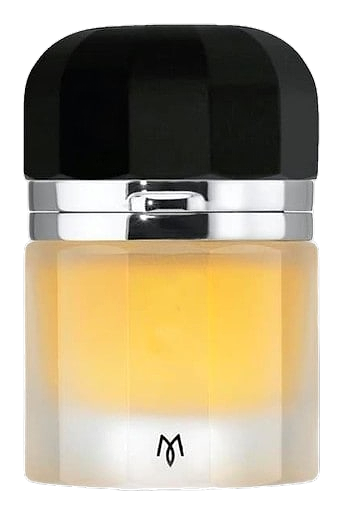
Terre d'Orient comes from Ramón Monegal's own studio in Barcelona, where the perfumer composes with the kind of materials that traveled the world's oldest trade routes. The name points East, toward almond, styrax, and cedar sweet enough to be edible. These were the building blocks Monegal reached for, the raw materials of an imagined Orient filtered through a particular sensibility. The result is a fragrance that feels far from Barcelona's coast. No breeze, no salt air. Just deep, resinous density that weighs on the skin like warm wood after rain. The almond opens with a biting sweetness that feels almost more confection than nut, the kind of marzipan edge that pulls you in before you've registered what you're smelling.
What makes Terre d'Orient genuinely unusual is how it stacks its materials. Bitter almond sits at the top of the pyramid, sharp and almost pharmaceutical before it softens, the way a photograph develops in a darkroom bath. Brazilian rosewood rests underneath, adding a creamy woodiness that cedar alone can't deliver on its own. Styrax threads between them like dark resin, binding sweetness to smoke. The pyramid looks simple on paper, three or four notes depending on the listing.
The evolution
The opening is confrontational. Bitter almond leads, and it leads hard, a metallic sweetness with an edge that hits the back of the throat before the nose catches up. That intensity doesn't disappear so much as it gets absorbed. Patchouli and cedar move in to temper the sharpness, and the composition starts feeling warmer, rounder, less like a blade and more like a held breath. The rosewood shows up next, turning the base creamy in a way that reads closer to sandalwood than itself, almost lactonic, the sweetness of milkwood rather than nutwood. Then the iris surfaces with a powdery hush that no other note foreshadowed, a soft violet dust settling over everything that came before. The transition from sharp sweetness to powdered wood is the whole performance, and it happens without announcement.
Cultural impact
Terre d'Orient occupies an unusual corner of the niche landscape, an Oriental-leaning composition from a Spanish house whose other work tends toward different territory. Wearers describe it as the scent of someone comfortable with contradiction, a fragrance that smells like nowhere in particular and everywhere at once. It draws on the classical oriental vocabulary, almond, styrax, rosewood, iris, the kind of material palette that recalls perfumery's older chapters rather than its current ones.