The Story
Why it exists.
The beginning
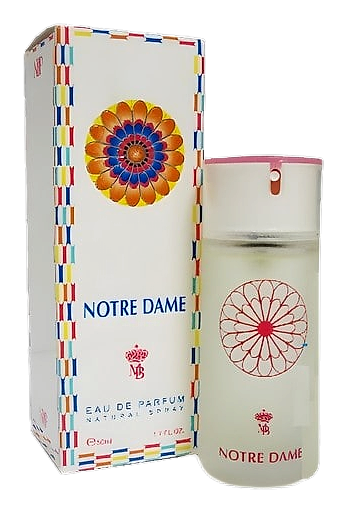
Notre Dame takes its name from the Parisian cathedral, but this fragrance isn't about grandeur or Gothic weight. It's about the city as lived experience. The quiet of the nave at noon. The river light through rose windows. The particular silence of standing somewhere ancient and feeling the present moment settle around you. The brand, Princesse Marina de Bourbon, has always treated fragrance as personal diary rather than commercial statement, drawing on garden botanicals and the tradition of French floral composition. Notre Dame extends that philosophy into an urban register, capturing a different kind of beauty: the kind that holds its shape against daily noise rather than escaping into countryside softness.
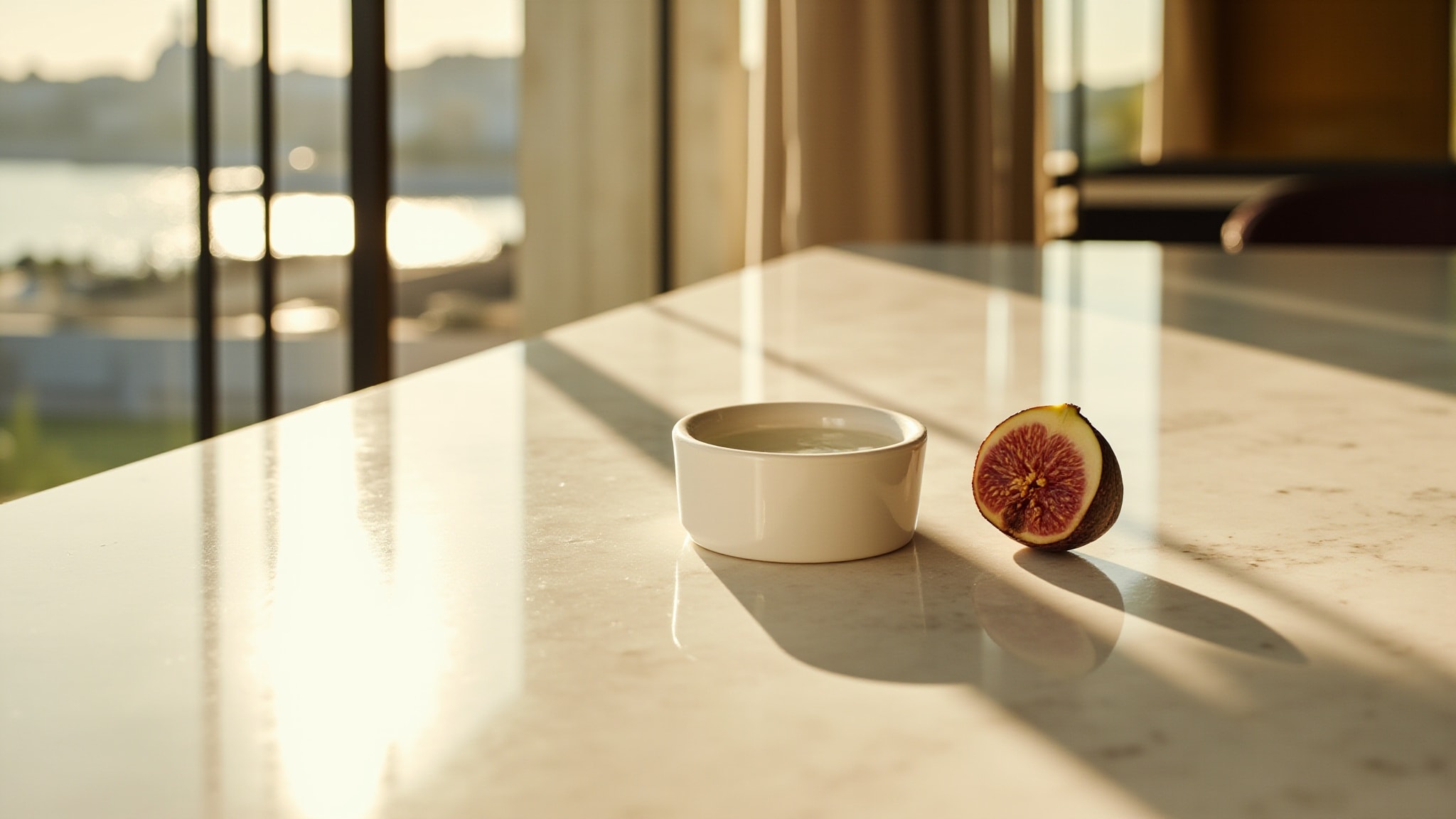
What makes Notre Dame work is the way the fig doesn't behave as expected. In lesser compositions, fig signals sweetness and cream. Here it stays cooler, more translucent, almost mineral in its water-adjacent quality. Paired with peony, it creates a floral heart that feels daylight rather than evening. The citrus top is deliberate: not the aggressive zest of a cologne but the softer, more forgiving brightness of Italian bergamot after it's had a moment to settle. The patchouli base isn't aggressive either. It anchors, it extends, it keeps the florals honest rather than letting them float away into abstraction. This is fig used architecturally, not decoratively.
The evolution
The opening announces itself in seconds. Bergamot first, then the orange blossom following close behind, creating an immediate impression of cleanliness and clarity. For the first twenty minutes, the citrus holds the foreground with a brightness that feels morning-intent rather than evening-composed. Then the hand-off happens. Fig emerges from beneath the orange blossom, cooler and less obviously sweet than its reputation suggests, while peony layers in as a powdery counterweight to the fruit's translucence. The heart is the quietest phase, the one that requires proximity to fully read. By hour two, the woody base begins its slow assertion. Patchouli arrives last and stays longest, keeping the fig present even as the florals recede, preventing the whole composition from dissolving into air. The drydown is close, intimate, the kind of scent that only announces itself when someone leans in. On fabric, it outlasts skin by several hours, a faint warmth remaining the next morning.
Cultural impact
Notre Dame occupies an interesting position in the brand's catalog: discontinued but not forgotten. Wearers describe it as the fragrance that introduced them to fig as a serious material, rather than a novelty note. The combination of fig, peony, and patchouli sits outside the typical floral-fruity playbook, appealing to those who found mainstream fruity-florals too sweet or too loud. Community reception is positive but measured, reflecting a fragrance that rewards attention rather than demanding it.