The Story
Why it exists.
The beginning
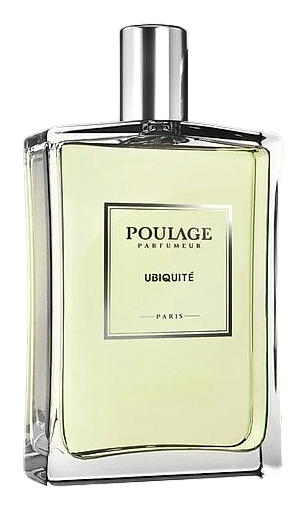
Ubiquite arrived in 2015 under perfumer Stéphanie Poulage. Its name suggests being everywhere at once, yet the official description gives that idea an elusive shape: present, then absent, still nearby. The composition is framed as a space-time perfume, a concept made tangible through a soft cologne entrance, the decisive arrival of cedar, and amber that carries the scent toward the underbrush. Rare materials anchor the idea: Brazilian mate, ambrette seeds from Ecuador, and immortelle absolute from Corsica. The opening is light and aromatic, with the cologne-like brightness gradually giving way to the dry texture of cedar. Mate adds a herbal, tea-like quality, while ambrette lends a musky floral softness.
The unusual part is the tension between materials that usually sit in different rooms. Mate supplies a green, dry herbal snap. Ambrette brings a musky floral softness, while immortelle adds an aromatic, almost sun-warmed facet. Cedar then supplies structure, and amber turns the whole arrangement warm. Nothing here asks to be decoded; it simply shifts from fresh to woody, with enough grain and spice to make the transition worth following.
The evolution
Ubiquite enters softly, the cologne-like brightness lifting away before cedar arrives with real force. That wood gives way to an underbrush impression: dry, green, lightly aromatic, with ambrette's musky floral cushion moving through it. Amber becomes the lasting register, warming the composition without turning it syrupy. The result is not a fragrance that announces itself from across a room, but one that develops gradually against the skin. As the bright opening recedes, cedar gains definition and lends a dry, woody grain. Mate contributes a tea-like herbal accent, while ambrette softens the sharper edges of the wood. The amber trail is smooth and warm rather than heavy, settling into an intimate blend of dry vegetation, cedar and soft musk.
Cultural impact
Ubiquite is defined less by broad cultural ubiquity than by the character of its materials and the way its notes unfold. Mate contributes a dry, tea-like accent, ambrette introduces a musky floral cushion, and immortelle adds a warm, hay-like depth. Cedar gives the composition a clear woody structure, while amber softens the transition into the final trail. Together, these elements create a scent that rewards close attention, moving from light and aromatic to dry, green and gently warm without relying on instant recognition.
The House
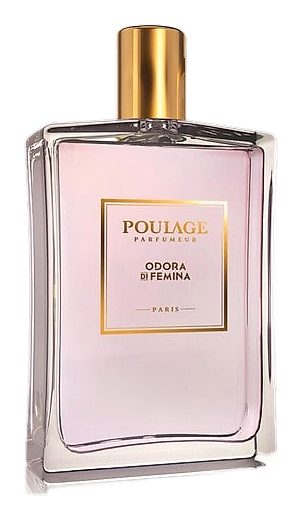
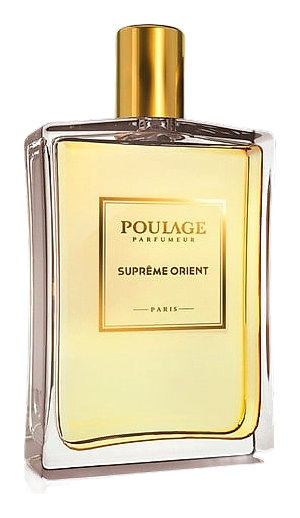
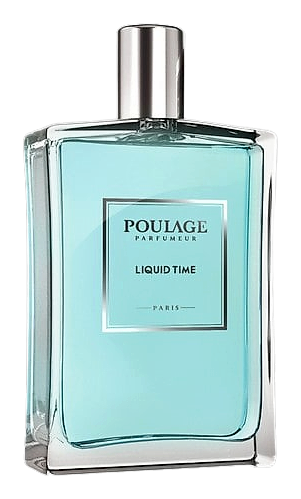
Poulage ParfumeurPoulage Parfumeur Paris emerged from the collaboration between perfumer Stephanie Poulage and entrepreneur Gaetan Ferte, both French nationals based in Paris. The house introduced its debut collection in 2015, featuring four fragrances: Supreme Orient, Odora di Femina, Liquid Time, and Ubiquite. The brand operates within the niche fragrance segment, where perfumers maintain creative independence from larger corporate fragrance houses. Stephanie Poulage serves as the house's in-house perfumer, creating all compositions under her own direction. The brand's presence remains relatively modest in the broader fragrance market, appealing primarily to collectors seeking independent perfume houses with distinctive olfactory visions. Paris has long served as the epicenter of French perfumery, and Poulage Parfumeur contributes to this tradition through its independent structure and creator-led approach.
The Creator
Stéphanie PoulagePoulage's signature leans toward opacity and texture rather than linear development. She favors layered construction where individual materials resist easy identification, creating instead a unified impression that shifts over time.