
The Story
Why it exists.
The beginning
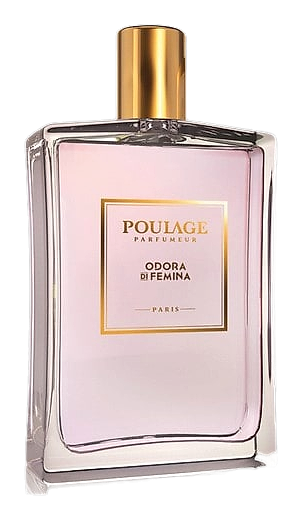
Odora di Femina emerged from a singular vision: a hymn to feminine beauty built on the tension between luminous rose and powdery musk. The brand copy describes the fragrance as floating in space, with skin serving as the first violin in a rose's bouquet. The composition relies on rare materials: rose oil and absolute sourced from Senir, Turkey, and black pepper oil from India. Turkish rose absolute brings a rich, honeyed depth that elevates the fragrance beyond simple floral territory. The black pepper oil adds a subtle, aromatic spiciness that interplays with the sweetness of the rose, preventing the composition from becoming cloying or predictable. Together, these materials create a fragrance that treats rose not as a soft, safe note but as something with architecture and intention.
The combination of Turkish rose absolute with black pepper separates this from more conventional rose fragrances. The pepper contributes a subtle, aromatic sharpness that keeps the sweetness from becoming sentimental. This mineral edge is not harsh or aggressive; instead, it acts as a counterpoint, a quiet tension that makes the composition more interesting. The powdery musk isn't a filler here either, it is structural.
The evolution
The opening announces itself quickly, bright rose petals with an immediate dusting of black pepper that reads more mineral than spicy. Within fifteen minutes, the pepper recedes and the rose absolute takes over, richer and darker than the initial burst suggested. The amber and musk arrive together around the thirty-minute mark, warming the composition and pushing it closer to the skin. By hour two, the drydown settles into something intimate: powdery, animalic, close. The kind of fragrance that someone standing beside you might notice before you do.
Cultural impact
As an independent fragrance, Odora di Femina occupies a distinct niche: rose-forward compositions with powdery, animalic character. The fragrance stands apart from mass-market florals through its unapologetic vintage sensibility and its willingness to embrace textures that some find challenging. Community reception splits between those who appreciate its powdery dryness and those who find its character polarizing. This division is exactly the response independent niche fragrances tend to generate. The fragrance does not apologize for its personality.