
The Story
Why it exists.
The beginning
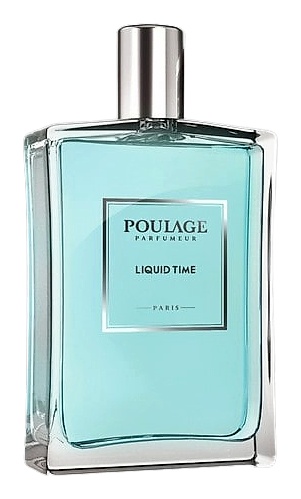
Stéphanie Poulage built Liquid Time around a single question. What does time smell like when it isn't measured in minutes? Her answer was an hourglass in scent form, a composition that moves from sharp to dry, from hot to cold, in one slow, continuous pour. The perfume carries the house's core idea. Perfumery as a vessel for something you can't bottle any other way. The composition borrows its structure from a mechanical timepiece. Sandalwood serves as the spindle. Vetiver becomes the slow flow of sand. The spices heat and cool in alternation, the way hands move around a dial. Poulage treats the ingredients less like a pyramid and more like a mechanism. Every material turns the next one. What strikes you on first contact is how deliberate the architecture feels.
Three of the pillars here come from single named origins. Vetyver oil from Madagascar, carrying the dense, earthy signature the island is known for. Clove buds, also Madagascan, introducing a hot, peppered bite that sharpens the entire top. Moroccan cypress, bringing a wood that pulls more toward the green, resinous side of its spectrum than the dry, pencil-shaving version most people associate with the note.
The evolution
The opening moves fast. Lemon arrives in the first sixty seconds, bright and a little sour, before the Madagascan clove takes over and warms the whole top into something between cinnamon and eucalyptus. There's a synthetic snap early on, the kind one reviewer described as unmistakable in the overall impression. That snap doesn't apologize. It's the perfume telling you it isn't trying to be subtle. By the third hour the clove quiets. The Moroccan cypress opens up green and resinous, and the Madagascan vetiver begins its slow work, pulling the composition downward, toward the root and the wood and the earth. At the five-hour mark the fragrance has fully transformed. What started bright and hot now reads cool, earthy, and dry.
Cultural impact
Liquid Time arrived as part of Poulage Parfumeur's early output, a debut-era composition built around spindle-and-clock imagery that treated fragrance as something measured rather than merely worn. Its green-woody-spicy profile placed it in unusual territory, the kind of construction that resists easy seasonal categorization. You could wear it in summer heat and still smell the cypress. You could wear it under a winter coat and the clove never overwhelmed.