The Story
Why it exists.
The beginning
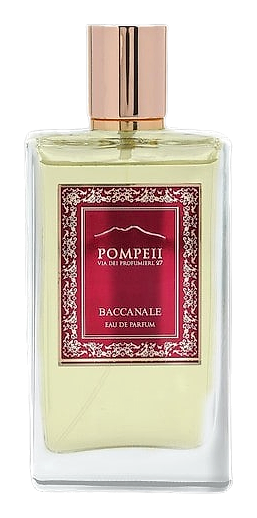
Bacchanalia, in ancient Rome, meant something beyond a party. These were festivals honoring Bacchus, god of wine and fertility, where social rules dissolved into revelry, wine, and uninhibited mingling during the sowing and harvest seasons. Pompeii channels that idea without literal costume. The 2025 composition interprets transgression as sensory excess, the kind that pulls you closer instead of pushing you away. The name itself is the thesis: pleasure as a deliberate act of defiance, of choosing warmth and indulgence when restraint would be easier. The fragrance doesn't dress the concept in togas. It just builds the atmosphere.
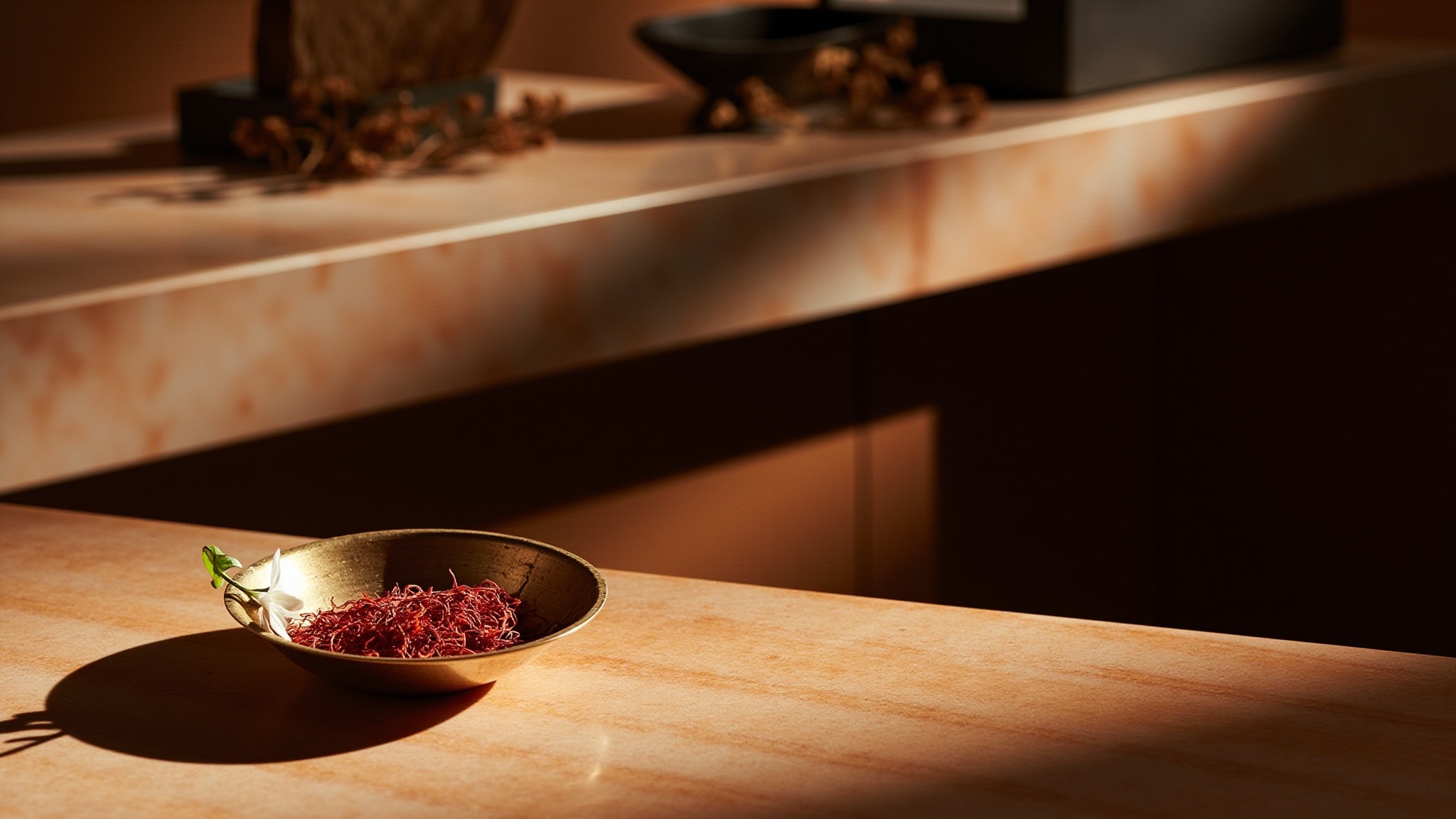
The note structure is where it gets interesting. Jasmine and saffron up top create a tension most compositions avoid, floral and spice rubbing against each other instead of blending politely. The saffron reads waxy and leathery, almost cured, while the jasmine sits cooler and more indolic, so the two keep stepping on each other in a way that feels alive rather than resolved. Then ambergris takes the middle, neither animal nor mineral, something that reads warm and close on skin, with a salt-edged muskiness that bridges the opening and the base.
The evolution
The first 15 minutes feel almost confrontational. Saffron arrives first, dry and leathery, with jasmine threading through like smoke caught in fabric. There's a metallic edge, faint but deliberate, the kind that makes you check your wrist twice. Then the jasmine rounds out, softens, and ambergris surfaces from underneath. The whole thing shifts warmer, more intimate, less spiced. By the 2-hour mark the saffron has fully surrendered to ambergris and oakmoss, and what remains reads more like worn leather and cool earth than anything floral. The cedar shows up last, dry and persistent, carrying the final hours quietly close to skin. At 4-6 hours it's still there, a ghost of moss and wood that keeps catching your sleeve.
Cultural impact
Baccanale borrows its name from the ancient world, taking the word directly from the Bacchanalia, those nocturnal ritual gatherings of antiquity linked to wine, fertility, and ecstatic release, and the title alone does a lot of suggestive work for anyone who knows the reference. The composition echoes that register by treating saffron and jasmine with a kind of gravity, letting them carry warmth, resinous depth, and an almost unguarded sensuality rather than reading as simple pretty florals or kitchen spices.