
The Story
Why it exists.
The beginning
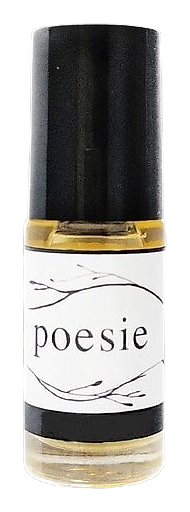
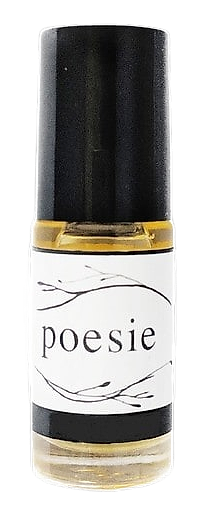
Cities in the Dust takes its name from Pompeii, the Roman city that was lost and remembered for centuries after. The fragrance is an ode to that city before the catastrophe, a reminder that all cities eventually return to dust, and a quiet prompt to enjoy what exists now. Joelle Nealy, founder and perfumer of Poesie, composed it as a walk through a Mediterranean garden: citrus and bloom, pungent rosemary, and the thread of incense drifting from a nearby Lares shrine. Pompeii's household gods, the Lares, were the spirits who watched over each home, and to have their presence threaded into a scent is to feel the everyday life that existed alongside the approaching end.
The structure is deceptively simple. Citrus blossom, citrus fruits, herbs, and frankincense form a tight four-note architecture that does not change, it only shifts emphasis. Olibanum, the resin of the Boswellia tree, carries the weight of the entire composition; the citrus is bright but transient, and the herbs are the connective tissue that keeps the green alive while the incense slowly rises. The interplay between these four elements is what gives the scent its quiet depth, because nothing competes for the foreground.
The evolution
The first 15 minutes belong almost entirely to citrus. Blossom and fruit together produce a high, almost white floral brightness that reads as sunlight on pale stone. Herbs begin to sharpen the edges within the first few minutes, a green, resinous quality that suggests rosemary or sage, something growing in a cracked wall. By the 30-minute mark the frankincense surfaces. It does not arrive as a distinct phase so much as rise through the citrus, clouding the brightness with a dry, almost peppery smoke. The accord turns warmer, less like a garden at noon and more like the same garden an hour before dusk. The shift is gradual, almost geological, the way a long afternoon moves from bright to golden without ever announcing the change. The 4-6 hour drydown settles into an incense-and-citrus-peel trace, more dry than sweet, with the herbs still detectable underneath.
Cultural impact
Cities in the Dust has the character of a forgotten shelf piece. Its release year is unconfirmed in available records, and production was apparently discontinued, which means it now lives in the secondhand market and in the collections of people who found it early. It is a fragrance that tends to be discovered rather than encountered, passed along in indie perfume forums, mentioned quietly among Poesie followers, and traded in small bottles between wearers who wish it were still in rotation.