The Story
Why it exists.
The beginning
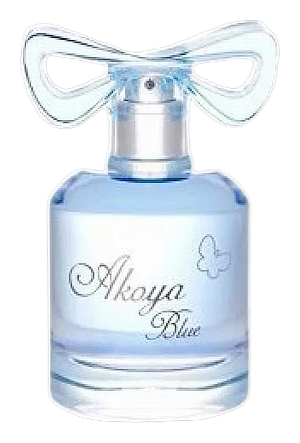
Paris Bleu Parfums established its identity around the color blue in 1989, a symbolic reference to the clear Parisian sky and a design philosophy carried through every bottle in their catalog. Akoya Blue arrived as part of the Akolia collection, specifically conceived to bridge the gap between the brand's classic French heritage and contemporary fragrance expectations. Where some Paris Bleu releases lean heavier and more atmospheric, Akoya Blue occupies a different space, one defined by clarity, brightness, and a citrus-forward character that nods to the sunny Mediterranean rather than the gray Parisian dawn. The sleek glass bottle that houses Akoya Blue reflects this dichotomy, its minimal design referencing tradition while its formulation reaches toward modern accessibility.
The note philosophy behind Akoya Blue reflects a specific intention: citrus and blackcurrant suggest broad appeal and daytime wearability, while cedarwood and amber ground the composition in enough weight to suggest coherence and maturity. Rosewood was introduced as a connecting element, its spiced woodiness bridging the gap between fruit and base woods. White musk serves a functional purpose as well, ensuring the drydown does not veer into territory that reads as masculine or aggressive. The pairing of these four base notes was not accidental. Each contributes a distinct dimension without competing for dominance.
The evolution
The narrative arc of Akoya Blue moves from light to grounded, a progression that mirrors the brand's broader philosophy of scent as motion through time. Orange and lemon occupy the opening moments, their combined effect immediate and uplifting, designed to assert presence before yielding to complexity. As these citrus notes fade, blackcurrant emerges with its characteristic tartness, a fruit note that carries darker, more textured undertones than the bright opening. Blackcurrant does not rush here; it claims space gradually, allowing the wearer to register its shift from fresh green berry to a denser, slightly resinous interpretation. The transition to the drydown marks the most deliberate phase of the fragrance's life. Cedarwood arrives first, its dry masculine character providing contrast against the softer fruit that preceded it. Amber follows, introducing warmth that softens the cedar without overwhelming it.
Cultural impact
Since its appearance, Akolia Blue has been noted for its crisp citrus‑amber profile that often draws comparisons to Dolce & Gabbana’s Light Blue, positioning it as a more understated, French‑crafted alternative for those who appreciate a clean, unisex scent without the overt Mediterranean sweetness.