



The Heritage
The Story of Paris Bleu Parfums
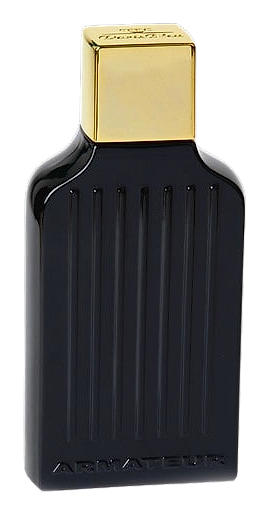
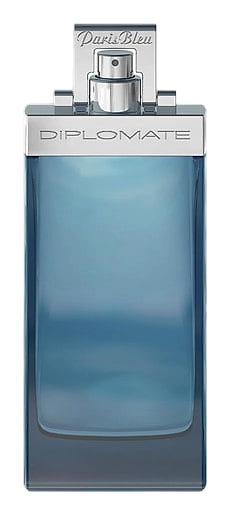
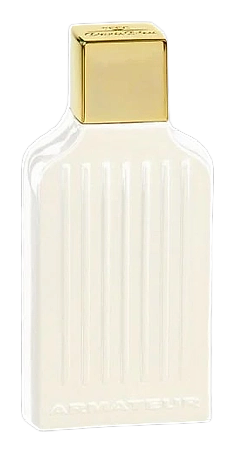
Paris Bleu Parfums is an independent French house that creates niche fragrances for a global audience. Established in the capital in 1989, the brand positions itself between classic French tradition and contemporary olfactory experimentation. Its catalogue includes scents such as Lively (2010), Diplomate Extreme (2014) and the limited‑edition Armateur Gold, each presented in sleek, glass bottles that emphasize clarity and restraint. Paris Bleu distributes its creations in more than ninety‑five countries, yet all formulations are blended and bottled in France, preserving a tightly controlled production chain.
Heritage
The story of Paris Bleu Parfums begins in the late 1980s, a period when the French perfume market was dominated by large maisons and a growing interest in niche expressions. In 1989, a collective of perfume enthusiasts opened a modest workshop on Rue de la Paix, aiming to offer alternatives to the mass‑market offerings that saturated department stores. The founders—whose names are not widely publicised—chose the name "Paris Bleu" to evoke the city’s iconic sky and the calm confidence associated with the colour blue. Early on, the house focused on sourcing raw materials from established French suppliers, ensuring that each composition adhered to the rigorous standards of French perfumery. Throughout the 1990s, Paris Bleu expanded its reach beyond the French borders, establishing distribution agreements in Europe and North America. By the turn of the millennium, the brand had introduced a series of single‑note fragrances that attracted collectors seeking distinctive olfactory signatures. The release of Lively in 2010 marked a turning point: the scent’s bright citrus‑green profile resonated with a younger demographic and earned coverage in several perfume‑focused publications. Four years later, Diplomate Extreme arrived, showcasing a richer, more complex structure that demonstrated the house’s capacity to evolve its palette. In the mid‑2010s, Paris Bleu launched the Armateur Gold Limited Edition, a fragrance that combined marine accords with ambergris‑inspired notes, underscoring the brand’s willingness to experiment with rare ingredients while maintaining a French‑centric aesthetic. The company also began collaborating with boutique retailers in Asia, responding to a growing appetite for niche French perfume in markets such as Japan and South Korea. Throughout its history, Paris Bleu has remained privately owned, allowing it to retain creative autonomy and avoid the pressures of corporate consolidation that affect many legacy houses. Key milestones include the 1995 entry into the United Kingdom market, the 2005 opening of a dedicated laboratory in the 12th arrondissement, and the 2020 decision to adopt sustainable packaging practices, replacing plastic caps with aluminum and recycled glass. Each of these steps reflects a consistent thread: a commitment to French craftsmanship, measured growth, and a focus on delivering scents that feel both personal and universally appealing.
Craftsmanship
Every Paris Bleu fragrance is formulated in a dedicated laboratory located in the 12th arrondissement of Paris. The space is equipped with traditional French equipment—glass distillation apparatus, temperature‑controlled mixing vats, and a humidity‑regulated aging room—allowing perfumers to monitor each stage of creation with precision. Raw materials are sourced from a network of French growers and vetted international suppliers; for example, the bergamot used in Lively originates from the Calabrian coast, while the ambergris‑like base notes in Armateur Gold are derived from sustainably harvested marine extracts. The house follows a strict quality protocol that mirrors the standards of larger French maisons. Each batch undergoes a three‑stage verification: analytical testing for purity, sensory evaluation by senior perfumers, and stability testing over a twelve‑month period to ensure the scent retains its character. Bottles are hand‑blown by artisans in a workshop near the Seine, then sealed with aluminum caps that are recyclable and designed to protect the fragrance from light exposure. Paris Bleu also invests in small‑batch production, limiting each release to a defined number of units. This approach reduces waste and allows the house to maintain tight control over the consistency of each perfume. The brand’s commitment to French manufacturing means that even when ingredients are imported, the blending, maceration, and bottling occur entirely on French soil. This localized process not only supports local employment but also ensures that the final product reflects the nuanced sensibilities of French perfumery. In recent years, the house has begun experimenting with bio‑derived synthetics that mimic natural accords while reducing environmental impact. These synthetics are evaluated alongside natural extracts to guarantee that the olfactory experience remains authentic. The result is a portfolio that balances tradition with responsible innovation, delivering scents that feel both timeless and contemporary.
Design Language
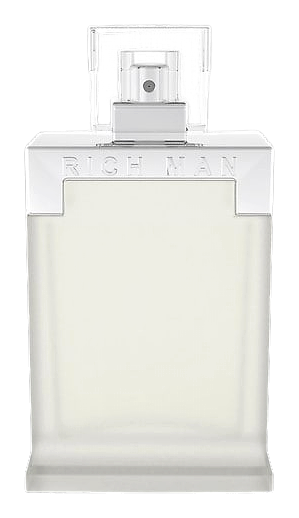
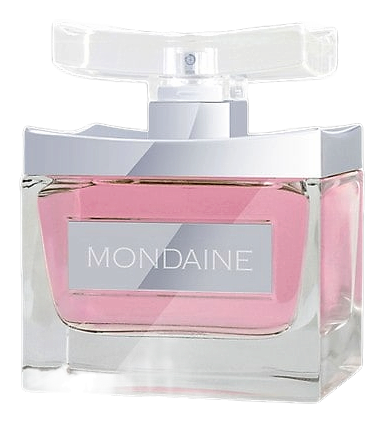
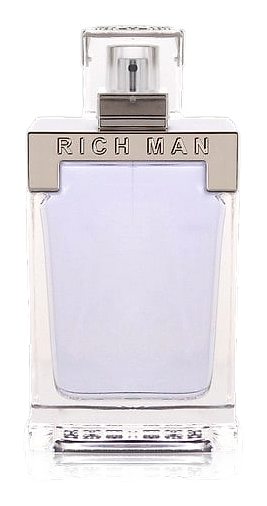
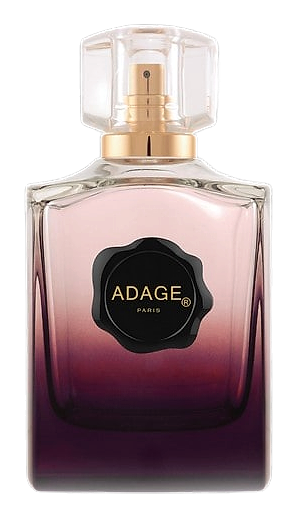
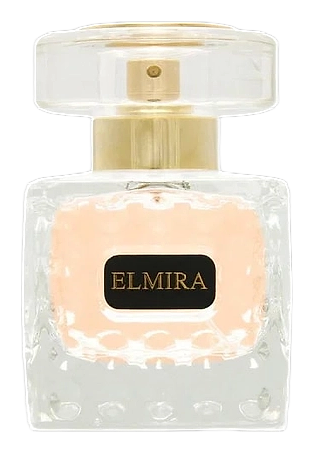
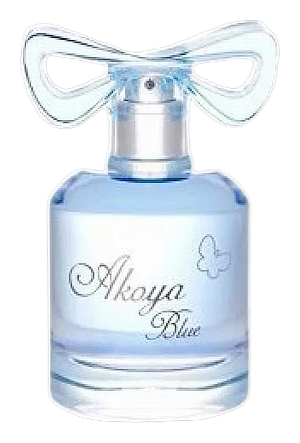
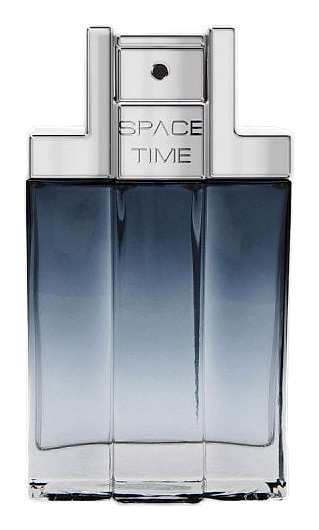
Visually, Paris Bleu Parfums adopts a minimalist aesthetic that mirrors its name. Bottles are typically clear glass with simple, sans‑serif typography etched in dark blue or black, allowing the liquid’s colour to become the focal point. The label design often features a subtle wave motif, a nod to the "blue" of the Parisian sky and the brand’s maritime inspirations in scents like Armateur Gold. Caps are matte aluminum, providing a tactile contrast to the smooth glass and reinforcing the brand’s commitment to recyclable materials. The brand’s visual language extends to its marketing collateral, which favours clean photography set against neutral backgrounds. Images frequently depict the perfume alongside natural elements—citrus slices, lavender sprigs, or sea‑foam—highlighting the source of the fragrance’s key notes. In retail spaces, Paris Bleu opts for understated displays: wooden shelves, soft lighting, and discreet signage that invites discovery rather than demanding attention. Packaging for limited editions often incorporates subtle metallic accents or embossed patterns, offering a sense of occasion without resorting to overt extravagance. The overall image projects confidence through restraint, positioning the house as a contemporary steward of French perfume heritage. This visual consistency helps consumers instantly recognise a Paris Bleu product on a shelf, reinforcing brand loyalty through design as much as through scent.
Philosophy
Paris Bleu Parfums articulates its creative vision as a dialogue between heritage and modernity. The house believes that a fragrance should act as a personal narrative, a scent‑bound memory that evolves with the wearer. To that end, the brand emphasizes authenticity over trend‑following, selecting ingredients that tell a clear story rather than chasing fleeting market fads. Transparency is another pillar; Paris Bleu provides ingredient lists on its website and encourages consumers to explore the origins of each note. The brand’s values include respect for the environment, a stance that has guided recent shifts toward recyclable packaging and the use of responsibly sourced raw materials. While the house does not claim to be "green" in marketing terms, it has partnered with French farms that practice sustainable cultivation of botanicals such as jasmine and lavender. Paris Bleu also supports local artisans by commissioning French glassmakers for its bottles, reinforcing a belief that the tactile experience of a perfume—its weight, its clarity—should complement the olfactory one. In practice, the creative process begins with a brief that references a place, a feeling, or a historical moment. Perfumers then develop a palette of accords that align with that brief, testing the composition on blotters before moving to skin trials. The brand encourages feedback from a small panel of long‑term customers, using their impressions to fine‑tune the final product. This collaborative approach reflects a philosophy that perfume is both art and conversation, a medium through which the house and its community co‑create meaning.
Key Milestones
1989
Paris Bleu Parfums founded in Paris, launching its first line of niche fragrances.
1995
Entered the United Kingdom market, establishing the first overseas distribution partnership.
2010
Released Lively, a citrus‑green fragrance that garnered attention in niche perfume publications.
2014
Introduced Diplomate Extreme, expanding the house’s portfolio into richer, more complex compositions.
2016
Launched Armateur Gold Limited Edition, featuring marine accords and ambergris‑inspired notes.
2020
Adopted sustainable packaging, replacing plastic caps with recyclable aluminum and glass.
At a Glance
Brand profile snapshot
Origin
France
Founded
1989
Heritage
37
Years active
Collection
4
Fragrances released
Avg Rating
3.5
Community sentiment
Release Rhythm


