The Story
Why it exists.
The beginning
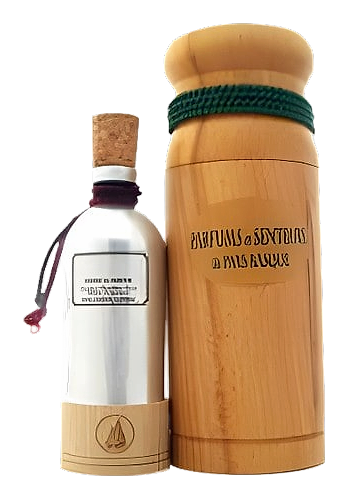
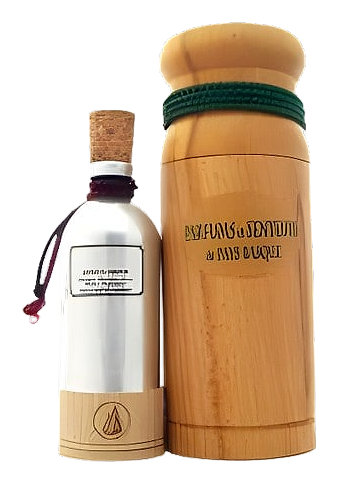
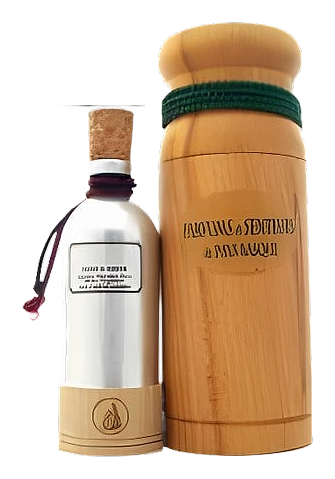
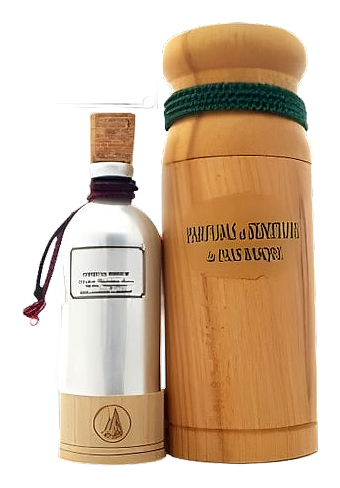
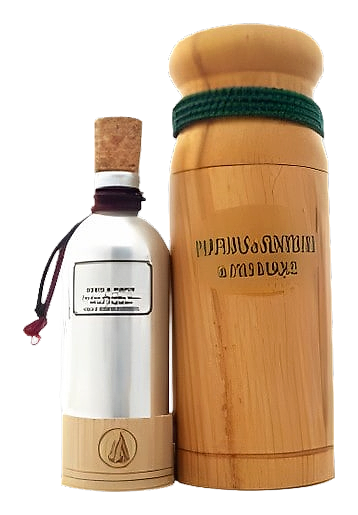
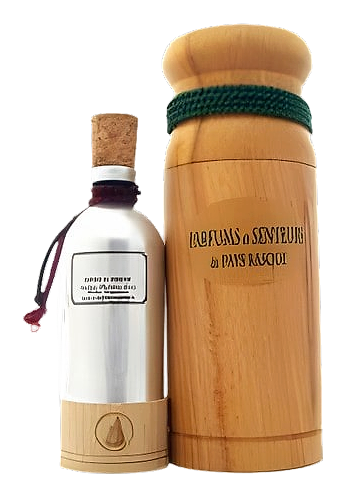
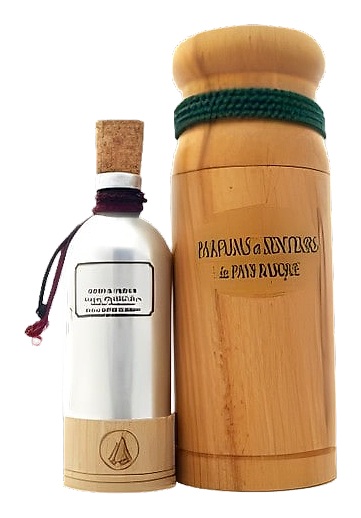
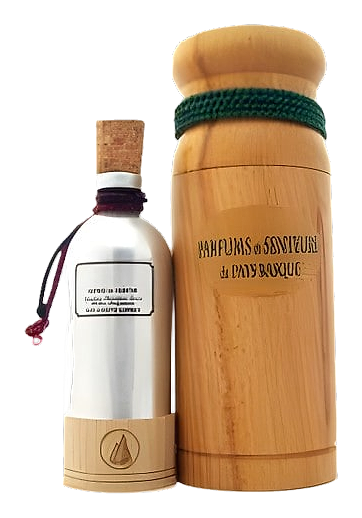
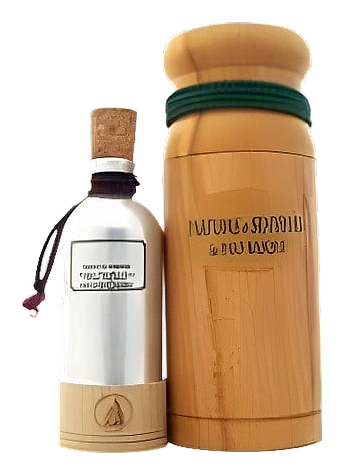
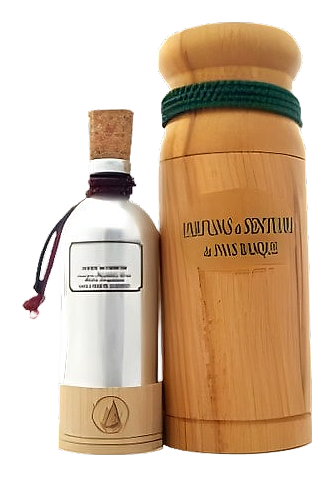
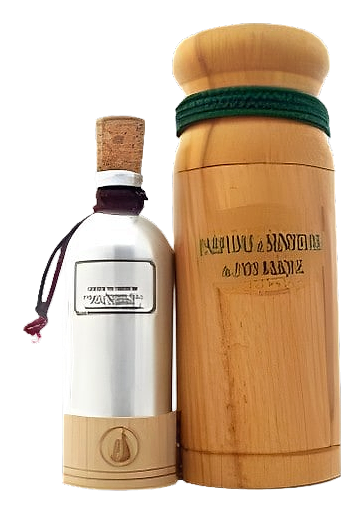
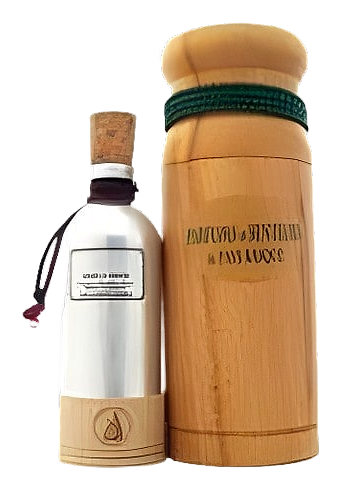
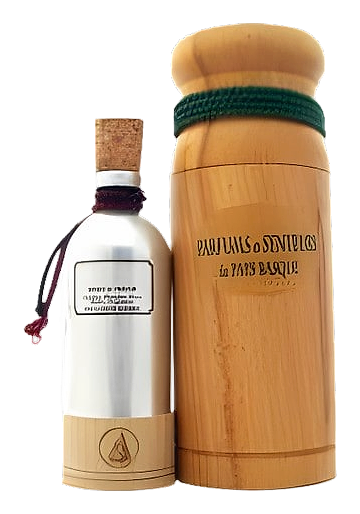
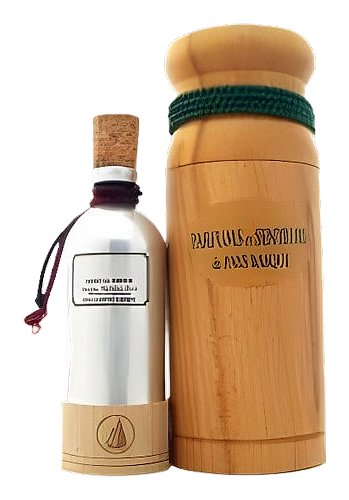
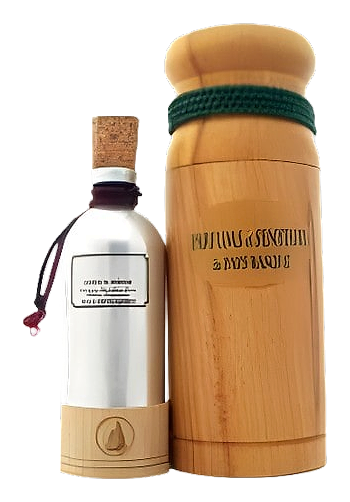
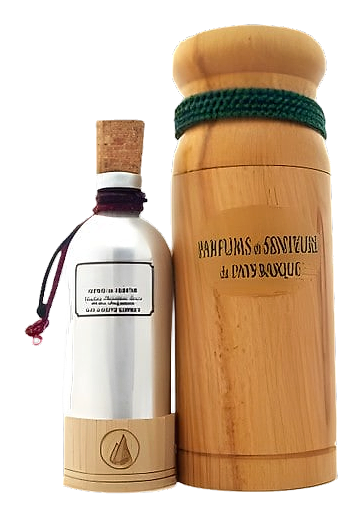
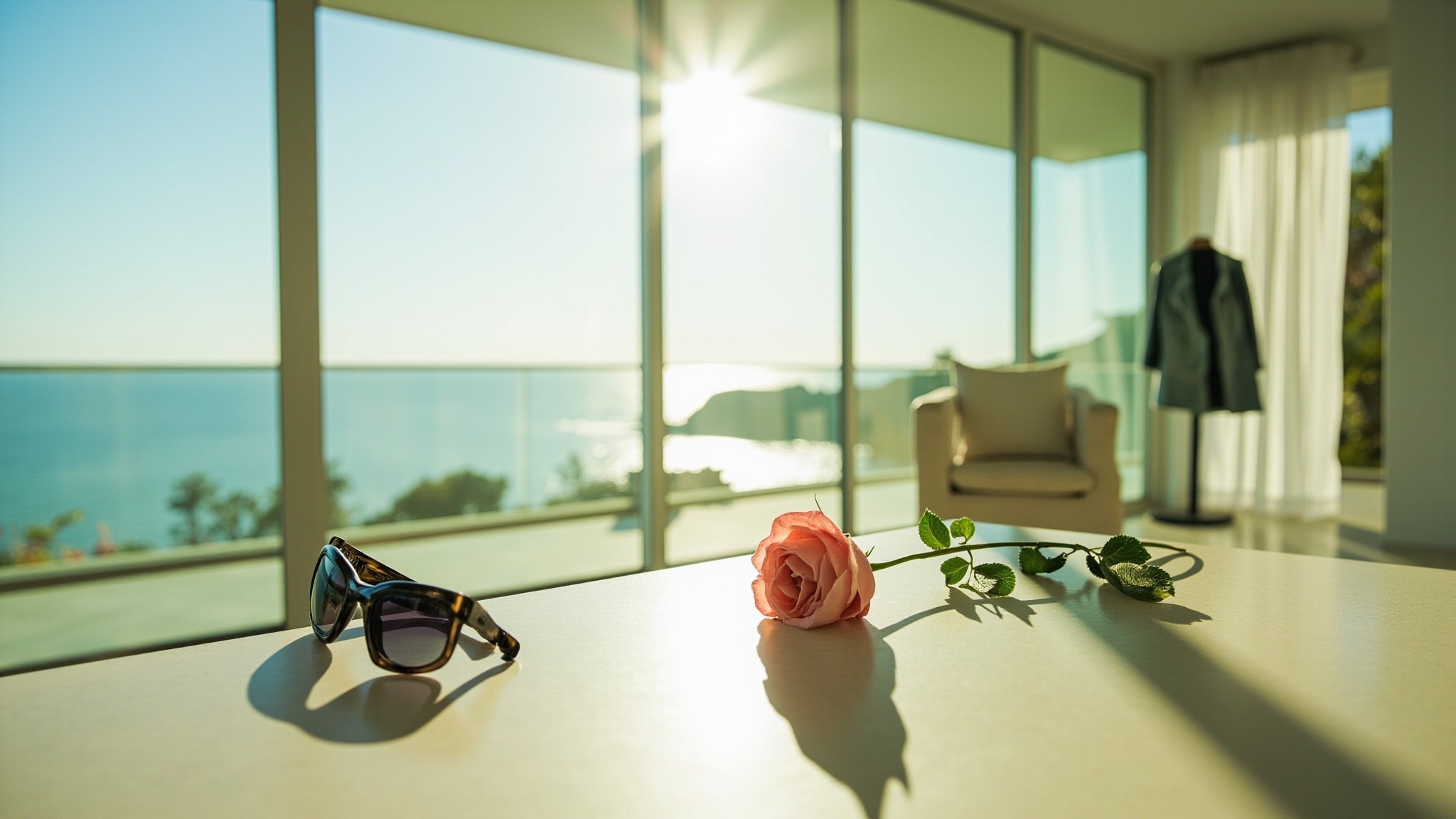
La Rose de François Villon was created by Christian Louis and released in 2008. The fragrance is built around a direct and easily understood pairing: floral notes form the heart, while green notes sharpen the rose with a grassy, leafy counterpoint. Together, they suggest a rose not arranged in a formal vase, but encountered outdoors, fresh-cut and still carrying the air around it. The composition opens with the soft clarity of rose petals, then gains a greener edge as the leafy notes come forward. That balance gives the scent a natural freshness, with the floral heart remaining recognizable while the greenery keeps it vivid and clean.
What makes this composition worth a closer look is its deliberate contrast. Floral notes bring softness, but green notes keep them from settling into a predictable powdery rose. The result feels both cultivated and alive, like petals beside a path rather than silk in a drawer. Because the published structure names only these two broad families, the fragrance remains an exercise in atmosphere: rose gives it emotional center, while greenery supplies movement, clarity, and a distinctly feminine ease.
The evolution
The first impression is clean and floral, with rose reading as the clearest point of the composition. Green notes quickly draw close beside it, keeping the bloom crisp rather than syrupy. As the scent settles, the two families stop feeling separate. Floral softness gains a grassy edge, and green notes gain the faint sweetness of petals touched by dew. The arc stays restrained, without a dense base or a dramatic change of temperature. On skin or fabric, the impression remains light and polished, with rose and greenery continuing to share the foreground. Over time, the floral heart softens while the green notes stay distinct, creating a quiet, freshly flowered impression rather than a heavy trail.
Cultural impact
La Rose de François Villon occupies a graceful middle ground: floral enough for a wearer drawn to roses, but green enough to feel rooted in nature rather than perfume-shop prettiness. Its clearest appeal lies in that elemental pairing, a floral scent that carries a sense of open air and natural composure. The rose provides softness and recognizability, while the green notes add definition and freshness. As the composition develops on skin or fabric, those contrasts remain readable, offering a balanced expression that is polished without becoming dense.
The House
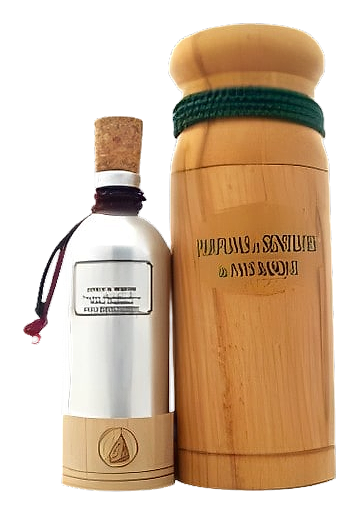
Parfums et Senteurs du Pays BasqueChristian Louis built a fragrance house rooted in two contrasting worlds: the sophistication of Paris and the rugged beauty of the French Basque Country. Operating workshops and boutiques in Espelette, La Bastide Clairence, and Bayonne, alongside a shop on the Place des Vosges in Paris, the house draws on the landscapes, traditions, and sensory memory of southwestern France. The collection spans masculine and feminine fragrances, unified by a narrative approach to scent. Each perfume takes its inspiration from Basque culture, literature, or the landscape itself, from the spice of traditional pain d_epices to literary characters rendered in olfactory form.
The Creator
Christian LouisThe Louis signature leans toward intensity and staying power. He demonstrates particular skill with modern amber molecules, especially ambroxan, which he incorporates to add depth and a subtle mineral warmth that lingers close to the skin.