The Story
Why it exists.
The beginning
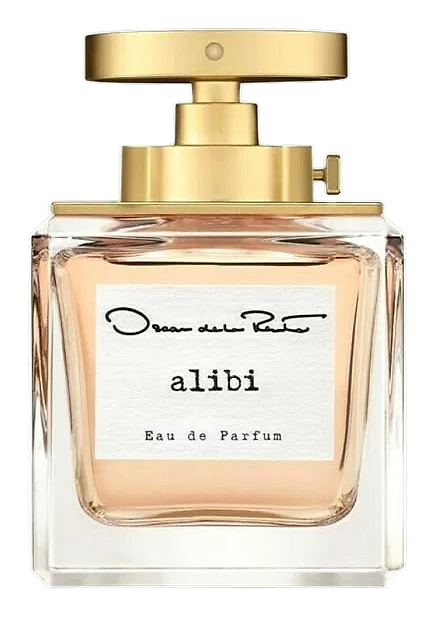
Catherine Selig composed Alibi for Oscar de la Renta, building the composition around a single, sly conceit. The name does the talking before the bottle's even open: an alibi implies you've already been somewhere, done something, and now you're smoothing over the evidence with charm. Selig structured the juice to embody that contrast. Ginger flower and mandarin give it a bright, almost citrusy opening, like daylight before a long lunch, all crisp snap and confident zest. Then vanilla orchid and heliotrope pull the temperature warmer, rounding the edges and softening the top notes into something more textured and inviting. The base is where Alibi commits. Praline, amberwood, and musk land like a whispered confession, the kind of finish that holds a room without raising its voice.
What makes Alibi structurally interesting is how Selig handles the gourmand landing. Praline is one of perfumery's most overtly edible materials, the note that tips sweet compositions into pastry territory, all toasted sugar and buttery warmth. She buffers it with amberwood, which adds resinous depth and a woody undertone, and aquatic notes in the heart, which sound counterintuitive in a gourmand but serve as air. They keep the creaminess from suffocating, lifting the composition so it breathes instead of collapsing into itself.
The evolution
In the opening, ginger flower takes the lead, sharp and almost peppery, bright enough to cut through any residual scent on skin. The mandarin rides underneath, giving the first impression a candied citrus quality that reads as confident rather than juvenile, the kind of sparkle that announces itself without shouting. The top notes are brisk and almost luminous, a quick sketch before the fuller picture arrives. As the composition settles, the aquatic notes appear briefly, a cool breath that lets the vanilla orchid settle in. Heliotrope adds its powdery almond warmth, and the whole middle phase turns creamy, golden, and inviting. Through the heart, praline and amberwood have fully arrived, and the scent wears like warm skin wrapped in something soft, not gourmand in a cloying sense but skin-scent-adjacent, the kind of trail that makes people lean closer without knowing why.
Cultural impact
Alibi draws wearers in with the praline-amberwood warmth and the way it wears close without disappearing, a fragrance that works for dinners out and lazy Sundays with equal conviction. The composition has a way of being both present and unobtrusive, the kind of scent that fills a room gently rather than dominating it. Wearers tend to reach for it when they want something sweet without tipping into sugar, when they want a gourmand that feels grown-up and grounded. The aquatic notes in the heart do quiet work here, giving the composition lift and preventing the creaminess from settling into anything heavy or flat.