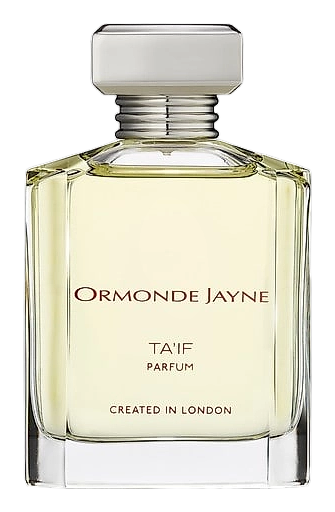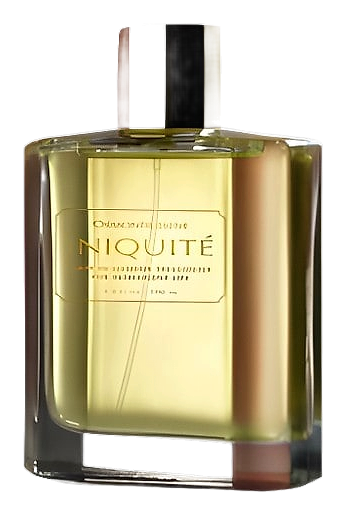

The Story
Why it exists.
The beginning
Iniquite arrived in 2013 as a limited release from Ormonde Jayne, the British niche house known for restrained, structurally precise compositions. The name, French for "iniquity," hints at the intention. Where many florals bury their teeth under sweetness, Iniquite was built to do the opposite: a short, decisive list of materials, each one carrying its weight. Orange blossom, rose oil, bergamot, amber. Four ingredients listed, each with a clear role in the architecture. The composition strips ornament away and lets the raw character of each material speak. The bergamot opens with a cold, almost bracing clarity, slicing through the air before the florals settle in. Orange blossom arrives warm and slightly indolic, carrying a honeyed density that rounds the sharp citrus edges.
What makes this list of four notes worth talking about is the proportion of rose oil relative to the amber base. Most rose-led compositions cushion the flower with powdery iris or fruit, softening the edges. Here, the rose oil sits against amber, and the friction is the point. Bergamot provides the cold opening that makes the warmth feel earned later. Orange blossom bridges the two, carrying its own indolic warmth into a heart that refuses to stay clean. It's a structural choice. The composition runs on tension rather than harmony, which is uncommon in a four-note format.
The evolution
The first 20 minutes belong to bergamot, cold and clear, almost bracing. Then orange blossom rises through it, warm and slightly indolic, carrying the scent into its heart phase. The transition from citrus to floral happens almost seamlessly, with the bergamot receding rather than vanishing, leaving a faint sour thread underneath the orange blossom's honeyed density. Rose oil deepens the composition, arriving oily rather than jammy, with a green-metallic edge that keeps it from reading as feminine-coded sweetness. The rose and orange blossom hold a quiet dialogue for a stretch, neither dominating, both contributing their particular textures. The amber begins asserting itself, pulling the composition down into something warmer and more tactile. As the citrus eventually fades, what remains is rose-amber, close to skin, with a faint animalic warmth that wasn't obvious in the opening.
Cultural impact
Iniquite doesn't reference specific named peers in the way some compositions do, but it speaks through its structure and its brevity. For wearers who encounter rose without the baroque treatment, this offers a particular kind of clarity. The rose here is oily and green-metallic rather than jammy or powdery, and it sits alongside orange blossom without either material overwhelming the other. The amber grounds the composition without tipping it into sweetness, giving the fragrance a tactile warmth that develops as the hours pass. Among collectors interested in short, decisive ingredient lists, Iniquite has carved out a recognizable space.