
The Story
Why it exists.
The beginning
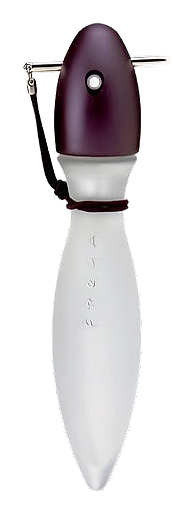
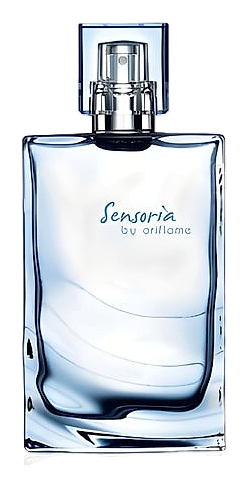
Veronique Nyberg designed Sensoria around a single premise: the moment when natural surroundings assert themselves. That sense of clarity, of the environment becoming vivid and present, informed the fragrance's direction. The year was 2008, and Oriflame had developed a range of fragrances over time built on principles of natural inspiration and accessibility. Sensoria became a key expression of those principles. Not a statement fragrance. Not a fantasy. Something you wear when you want to feel exactly where you are.
What makes Sensoria work is the tension between its aquatic clarity and yellow floral warmth. These two families rarely coexist comfortably in nature, yet the composition finds a middle ground. The mimosa never quite overwhelms, the water notes never quite vanish. The result is a fragrance that sits in a space most compositions never bother to claim, between cool and warm, fresh and intimate, day and something slightly more.
The evolution
Sensoria opens with lemon cutting through the cyclamen and wildflower notes, bright, immediate, present. No preamble. Within minutes, the jasmine and rose hip arrive, softening the edges into something rounder. The mimosa takes its time. Doesn't rush. The heart notes bloom outward rather than upward, you feel them before you notice them. Then the cedar and white musk arrive, somewhere around the hour mark, and the whole composition shifts from cool florals to warm powder. Six hours in, Sensoria becomes a whisper. Close enough to catch when someone leans in. What it does, it does quietly.
Cultural impact
Sensoria arrived with a specific purpose: accessible floral-aquatic clarity for everyday wear. Fragrances within this range travel through recommendation, a friend tells a friend. That approach demands scents that work broadly rather than speaking only to niche sensibilities. Sensoria delivers exactly that. The floral aquatic category has been established for years, but Sensoria's mimosa-forward heart gives it a distinctive warmth that sets it apart from more marine-heavy compositions.