The Story
Why it exists.
The beginning
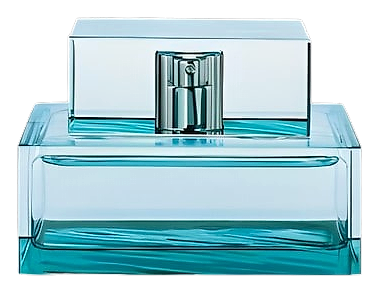
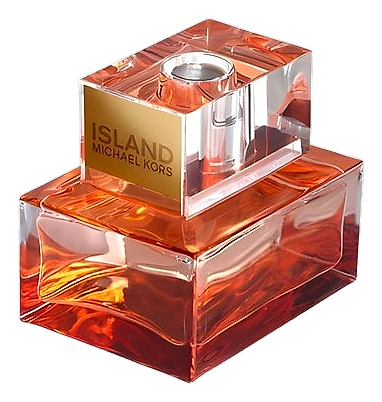
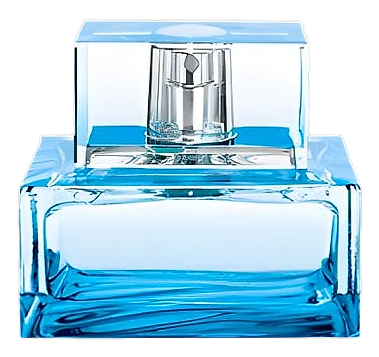
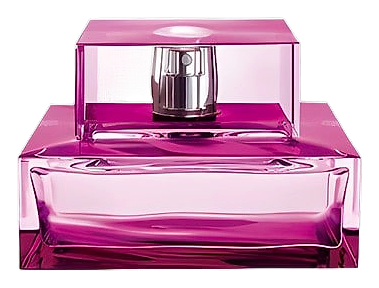
Island Fiji arrived in 2006 from Christophe Laudamiel, the perfumer tasked with translating a place into scent. Not a generic tropical, specifically Fiji, with its lagoons and white sand beaches, its heat and humidity. The brief was escape, distilled. What Laudamiel delivered was a fragrance built on a paradox: synthetic aquatic notes and lush tropical florals occupying the same bottle, each amplifying the other. The result captures something true about island air, not pristine, but alive, the way water actually smells when it's warm rather than cold.
The structure here is unusual. Aquatic notes typically anchor a fragrance to freshness, but Island Fiji uses them as a bridge to something warmer. The tropical florals, tiare, frangipani, honeysuckle, don't fight the synthetic aquatic opening. They follow it, extending the water imagery into something richer, more humid. Then the base arrives: suede, birch bark, driftwood. These materials ground the composition in something tactile, preventing the whole thing from evaporating. It's an engineering choice disguised as an aesthetic one, keeping the island feeling present long after application.
The evolution
The opening hits like stepping out of a plane into tropical heat, immediate, slightly overwhelming, undeniably transportive. The aquatic note reads first, clean and almost metallic, before the fruit arrives: kiwi and mango in small doses, enough to suggest freshness without turning syrupy. Within twenty minutes, the tiare takes over. This is the fragrance's signature, a white floral with a waxy, gardenia-adjacent warmth that doesn't apologize for being lush. The suede emerges quietly, not leather-tough but soft, like the inside of a linen jacket. By hour three, what remains is a skin-close warmth: wood, faint floral, the memory of salt air rather than the real thing. It holds reasonably well for a 2006 aquatic, lasting through a workday on most skin types.
Cultural impact
Island Fiji arrived at the height of the aquatic fragrance wave, when tropical and watery scents dominated the market. But where many of its contemporaries leaned purely into synthetic freshness, this one threaded warmth through the moisture, a small choice that aged it better than most. For the woman who wanted island escapism without smelling like a pool party, it occupied a specific niche. Limited edition status means it's harder to find now, which has only sharpened its cult appeal among collectors of 2000s house fragrances.