The Story
Why it exists.
The beginning
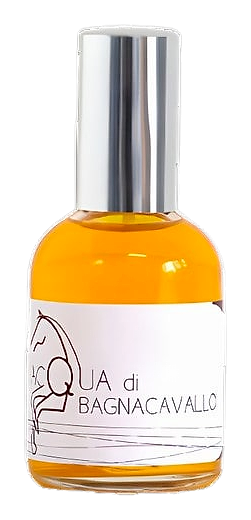
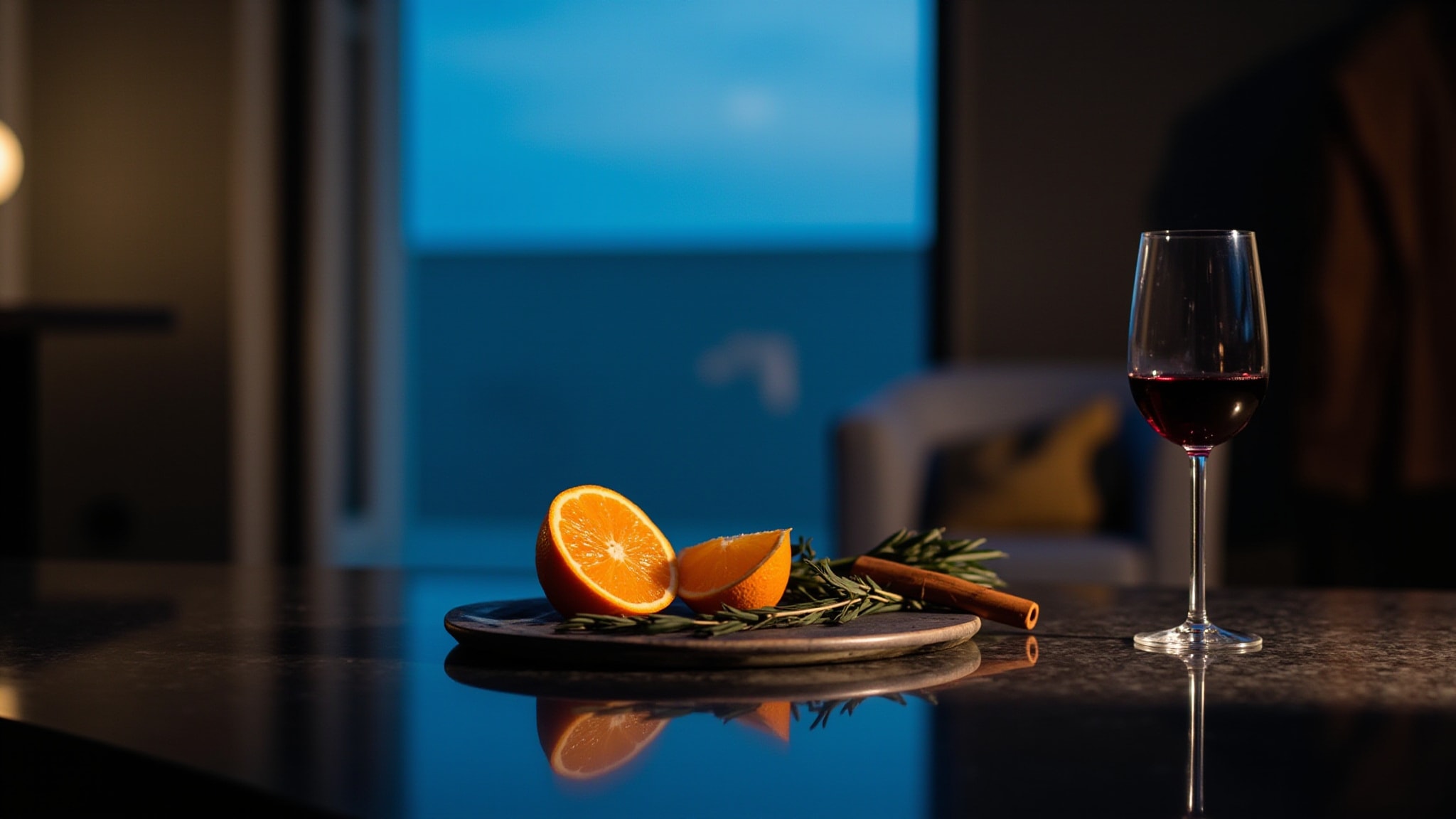
Acqua di Bagnacavallo invites a scene before the first spray, setting the stage for its composition of sweet orange, mandarin orange, red wine, thyme, cinnamon, and wine. The scent opens on ripe citrus before moving toward a darker, spiced wine accord. There is no documented perfumer credit or confirmed launch year, so the composition is best understood through its notes: fresh fruit, herbal detail, and warm spice arranged with clarity. As orange and mandarin orange establish the bright opening, wine and red wine introduce depth, while thyme and cinnamon lend definition to the fragrance's drier, more textured character.
The composition works because sweet orange and mandarin orange bring brightness, while red wine and wine add a darker fruit accord. Thyme introduces an herbal, slightly savory edge, and cinnamon supplies the final spark of warmth. It is a citrus-led fragrance with enough depth to avoid feeling like a straightforward refresher. The fruit and wine share a natural affinity, while the herbs and spice stop the arrangement from becoming syrupy or predictable.
The evolution
The first impression is fresh and immediately engaging, with sweet orange and mandarin orange lifting the scent into clear air. As that brightness softens, red wine and wine introduce a rounder, fruitier depth, like a glass becoming richer as it warms. Thyme adds a green, savory flicker, while cinnamon brings the composition toward spice and gentle warmth. The arc moves from polished citrus to something darker and more textured, while retaining its fresh character. The citrus notes remain the clearest foundation as the wine accord develops, followed by the herbal contrast of thyme and the warm spice of cinnamon. Together, the ingredients create a composition that feels layered without losing the brightness established at the opening.
Cultural impact
Acqua di Bagnacavallo shows how a fragrance can be discovered through its composition rather than through status or acclaim. Sweet orange and mandarin orange provide the opening brightness, followed by red wine and wine for a deeper, fruitier register. Thyme introduces a herbal counterpoint, while cinnamon adds warmth and spice. The name gives the bottle a distinct identity, but the most immediate point of connection remains the combination of fresh citrus, wine, herbs, and spice, a pairing that rewards attention to how each listed note meets the others.