The Story
Why it exists.
The beginning
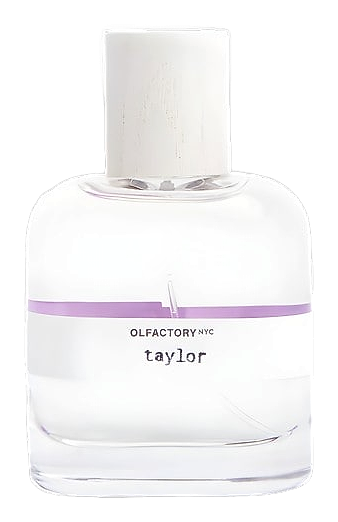
Taylor came together in 2017, the work of Honorine Blanc, a perfumer known for compositions that refuse to flatten their materials into something safe. The brief was jasmine. Not a jasmine impression, not a jasmine suggestion. Two of them, stacked against each other on purpose. Grasse for the lift, for the almost-transparent sweetness that French jasmine does better than anyone. India for what lives underneath that sweetness, the part that makes you lean in rather than drift past. Tuberose enters as the hinge between them, the green note that keeps neither jasmine from drowning the other. The name Taylor doesn't carry a public backstory, but the composition speaks for itself: a floral built around contradiction rather than agreement.
What separates this from the pile of jasmine-driven fragrances is the decision to layer two distinct jasmine materials into a single composition. Most jasmine fragrances settle on a single expression and call it done. Using both creates a conversation between brightness and depth that single-origin versions can't replicate. The Grasse material reads almost airy, sunlit, the jasmine people picture when they close their eyes, while the Indian material brings a denser, more indolic character that pushes into territory some find animalic and others find magnetic.
The evolution
The first ten minutes read bright and almost weightless. Grasse jasmine does its work quickly, that clear, lemony sweetness landing on skin like morning light through a window you forgot to close. There's a green edge underneath, herbal and sharp, and the tuberose announces itself within the first minute, pulling the composition somewhere earthier than pure jasmine would allow. By the thirty-minute mark, the Indian jasmine begins to surface. The shift is subtle, almost subliminal at first, then unmistakable. The brightness dims slightly and a warmer, rounder quality takes its place. Something almost waxy. Something that smells the way warm skin smells at the end of a long evening, not the beginning of a fresh one. The two jasmines stop competing and start sharing the same space. Hours three through six belong to this merged version, the floral heart holding steady without losing its shape. The drydown is quiet and persistent, a skin-scent quality that stays close to the body.
Cultural impact
Within Olfactory NYC's catalog, Taylor reads as a jasmine composition that doesn't apologize for its materials. Wearers in the fragrance community tend to describe it the same way: as a white floral with nerve, the kind that leans into indolic territory instead of scrubbing it away. That choice puts it in a particular corner of the niche world, one where jasmine is treated as a serious material worth building a whole structure around. The dual-jasmine construction remains unusual even in a category crowded with soliflores, because most perfumers resolve the indolic question by either avoiding it or hiding it behind fruit or musk.
The House
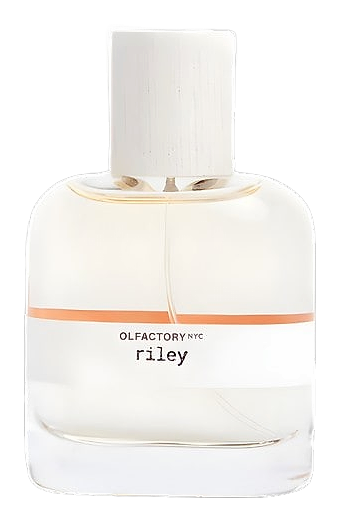
Olfactory NYCOlfactory NYC is a fragrance company that lets customers create custom perfumes through an in-studio or at-home experience. Founded in 2017 in Manhattan's SoHo neighborhood, the company guides clients through selecting and combining scents to produce a personalized fragrance. The process involves choosing a base scent from a curated collection, then layering additional notes to achieve a desired character. Olfactory NYC offers its custom formulations across multiple product categories, including perfume, body lotion, body wash, and candles. The company positions itself as an accessible alternative to traditional bespoke perfumery, emphasizing fresh blending and direct customer involvement in the creative process.
The Creator
Honorine BlancBlanc gravitates toward contrasts: sweet and dark, structured and sensual, familiar and surprising. She has a particular affinity for amber and gourmand notes, shaped by her Lebanese upbringing in an Ambrée culture.