The Story
Why it exists.
The beginning
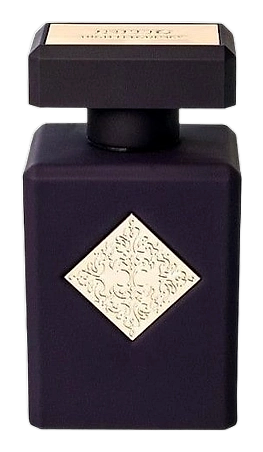
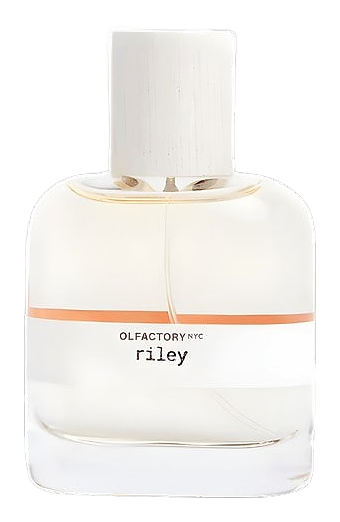
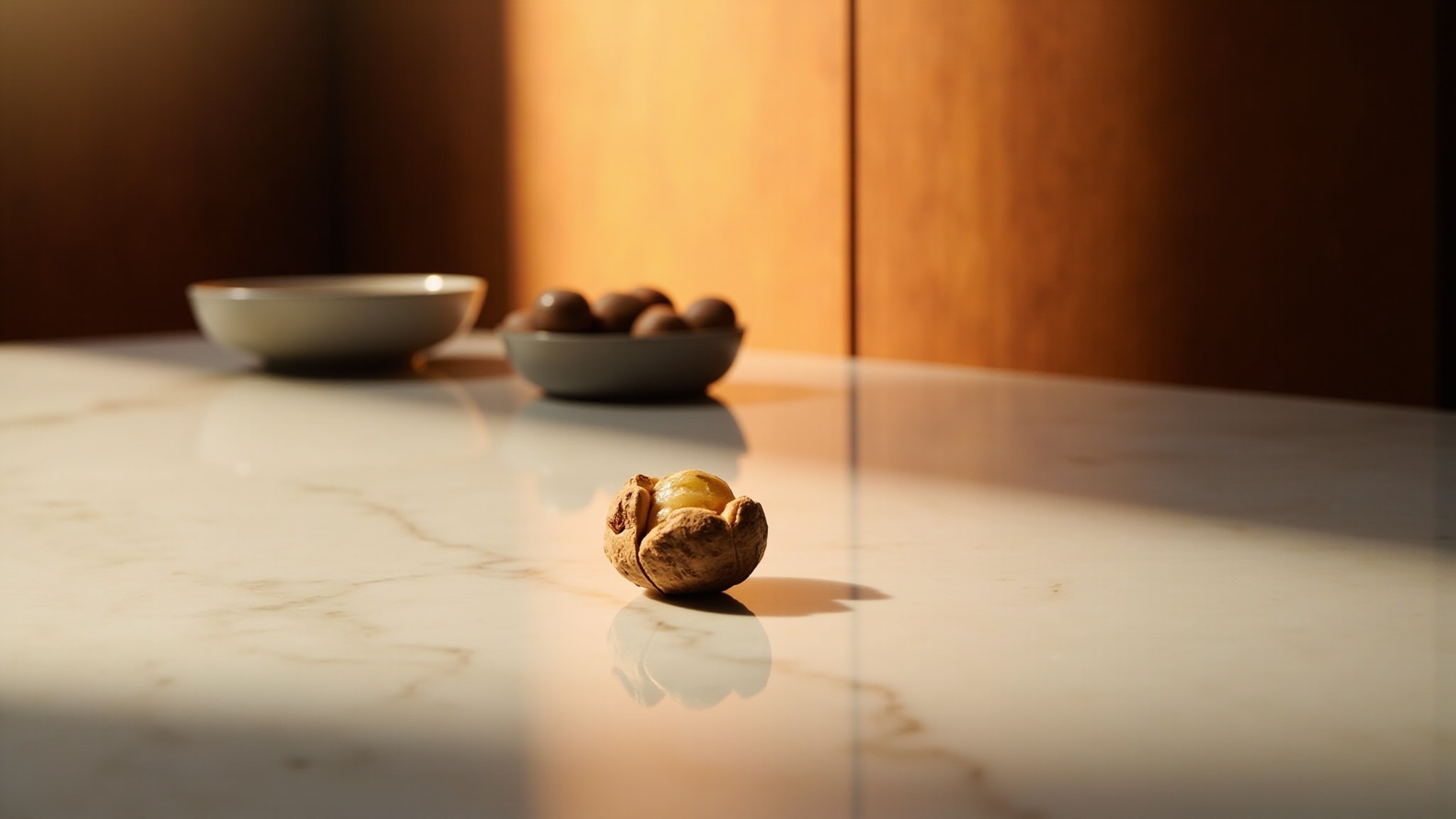
Riley landed in 2017 as part of Olfactory NYC's debut lineup, designed by Honorine Blanc. The brief was simple on paper: warm and cozy, yet provocative. The execution is where it earns its name. Hazelnut was the call, not the expected route when you're building around sandalwood and vanilla. Most compositions would lean into the sweetness. Blanc went sideways, using the nuttiness as the addictive hook instead.
What makes Riley work is the hazelnut-sandalwood counterweight. Hazelnut brings roasted depth, a slight bitterness that stops vanilla from going flat. Sandalwood brings cream, smoothness, skin-like warmth that keeps the whole thing close rather than projecting. Musk ties it together at the base, not animalic, just present. The four-note structure is tight. Nothing extraneous. Each material earns its place, and the interaction between them is what creates that "addictive" quality the brand mentions. It's gourmand without being a dessert.
The evolution
The hazelnut announces itself first, roasted, buttery, present. No gentle fade-in. It's here and it's confident. Within minutes, sandalwood smooths the edges, taking the bite down without removing it. The vanilla follows, wrapping around the nuttiness rather than drowning it. By hour two, you've lost the hazelnut's edges. What remains is warm, sweet, and creamy, a sandalwood-vanilla haze with just enough body to feel intentional. The drydown is powdery-woody, musk-forward, close to the skin. It doesn't announce itself. It lingers. On fabric, the vanilla holds for a full day.
Cultural impact
Riley occupies a comfortable position in the warm-gourmand category, sweet without being saccharine, woody without being heavy. The hazelnut is its differentiator, separating it from the sea of vanilla-forward compositions in its price range. It's the kind of fragrance that works year-round, day or night, without demanding attention. That versatility is its strength.