The Story
Why it exists.
The beginning
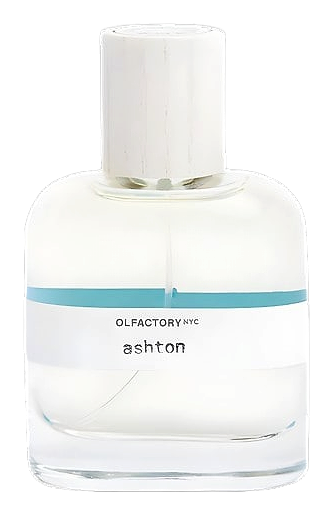
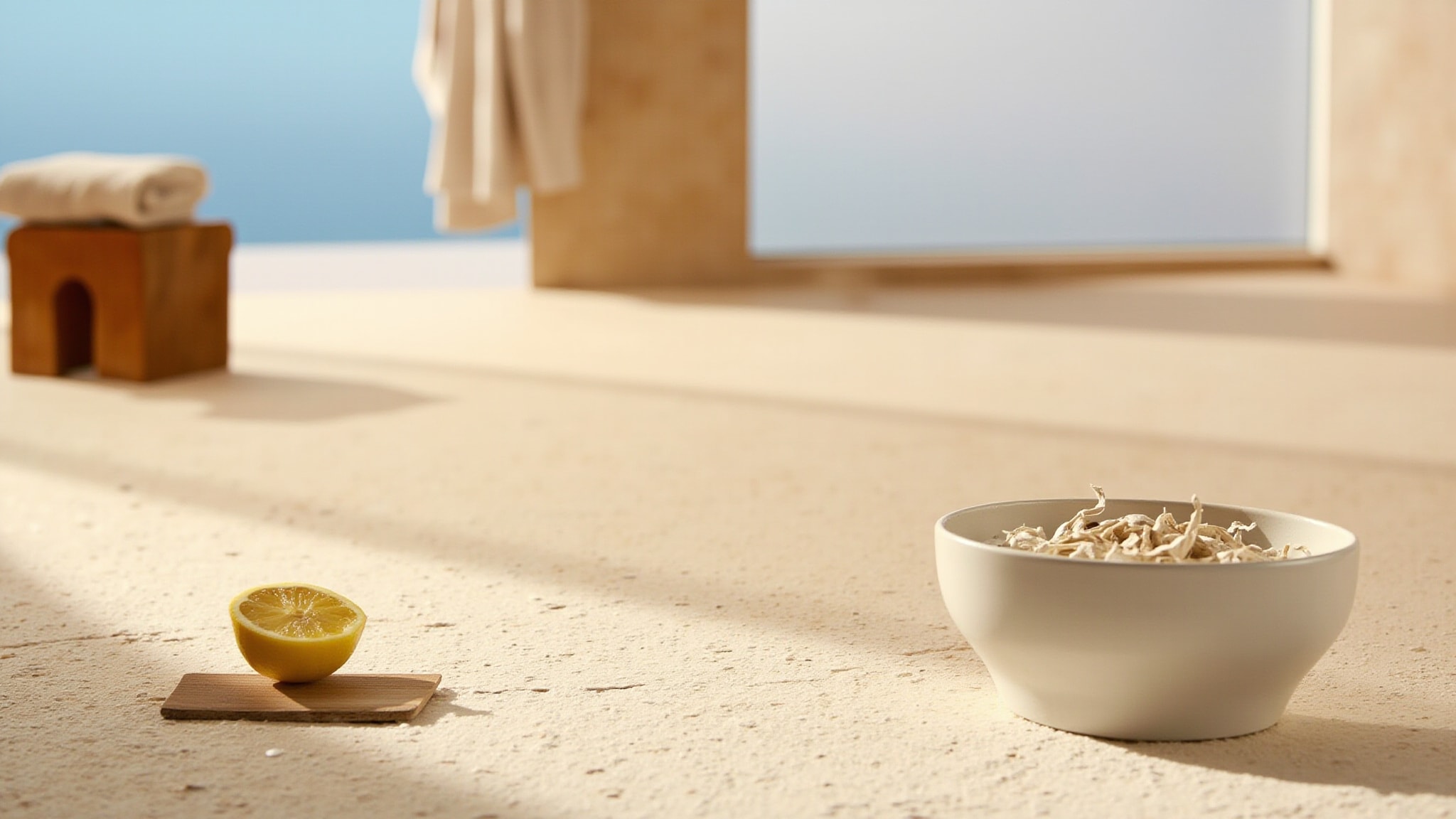
Harry Frémont designed Ashton in 2017 with one goal: sun and surf in a bottle. Citrus gives you the brightness, the immediate grab. White tea adds a smooth, almost powdery softness that prevents any harshness from developing. Together they create something that feels less like a fragrance and more like a memory of a place you've never been but somehow recognize. The combination balances the zesty punch of citrus with the quiet elegance of white tea, resulting in a scent that's both refreshing and refined. It's an approach that takes familiar, accessible notes and weaves them into something cohesive and inviting.
The note structure here is deceptively simple. Bergamot and lemon sit at the top, paired with white tea that smooths what could be sharp into something translucent. There's no dramatic shift as the fragrance develops, no surprising middle act. What you smell at the opening is what you get at the drydown, just softer. The citrus and white tea relationship stays consistent throughout wear, with the tea keeping the citrus from becoming too bright or abrasive. That's the interesting part. The fragrance doesn't chase complexity; it finds it in restraint.
The evolution
The opening hits immediately, citrus and white tea together, bright and translucent. Bergamot reads first, lemon follows, and the white tea rounds the edges so neither note goes sharp or astringent. Then the citrus begins to settle. Not fade, settle. It becomes part of the background rather than the foreground, and the white tea moves forward. Not green, not herbal, not milky, just a soft, warm clarity. After a while you're wearing something quiet. The drydown is clean skin with a ghost of citrus and a whisper of white tea. It doesn't reinvent itself. It just agrees to stay.
Cultural impact
The citrus and white tea scent profile of fragrances like Ashton appeals to those drawn to clean, understated compositions. These bright, airy fragrances offer a different kind of presence, one that feels subtle and refined rather than bold. The popularity of such scents suggests a preference for fragrances that communicate freshness and clarity. Tea-inspired notes have become increasingly visible in modern perfumery, offering an alternative to heavier, more traditional base notes. These lighter compositions provide a sense of openness that many wearers find appealing across different occasions and settings.