
The Story
Why it exists.
The beginning
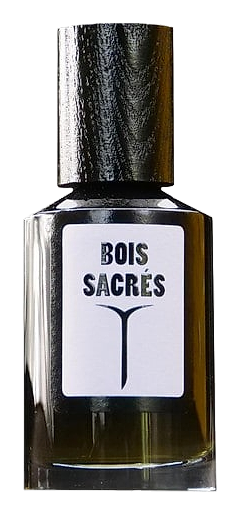
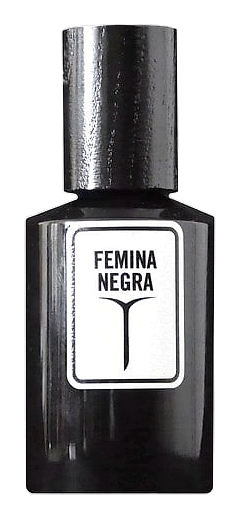
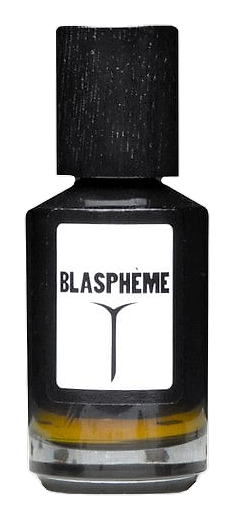
Blaspheme opens with a title that carries its own warning. The word does what it promises. Patrick Amouyé, credited as perfumer and brand owner, composed a three-note structure so stripped back it borders on confrontational in a category addicted to complexity: ginger, wormwood, incense. No supporting cast. No cushioning florals or sweet base. Just the confrontation between spice, herb, and smoke. Olfacto launched in 2019 with this kind of directness baked into the lineup, and Blaspheme sits among the names that defined that introduction alongside titles like Femina Negra, Bois Sacrés, and Eau Fétiche, each one offering a different facet of the brand's instinct for compositions that trade nuance for nerve.
Three notes is a statement in itself. Most fragrance compositions stretch their pyramids across many materials, building context and cushion around a central idea. Blaspheme strips all of that away. Ginger brings the heat and the lift, wormwood carries the bitter herbal middle that gives the composition its dry, green backbone, and incense does what incense does best, anchoring the base in smoke and resin. The accords describe the full picture, fresh spicy, amber, smoky, aromatic, balsamic, and bitter, but the raw materials carry every note without a supporting accord to soften the edges.
The evolution
The opening hits hard. Ginger arrives bright and peppery-hot, the way raw root smells before it touches a pan, and there's an intensity to it that suggests this might be a bright, energetic fragrance. It isn't. As the first minutes pass, the ginger settles into something warmer and less sharp, but it doesn't disappear. It moves to the side and makes room. Wormwood settles in with its bitter, dry herbal signature, and the composition starts tilting toward something older and more solemn. The air gets denser. The composition takes on a greenish, almost medicinal weight, the kind of bitterness that wormwood carries naturally from the artemisia plant. By the time the incense phase arrives, the fragrance has shifted entirely. The smoke is resinous and dry rather than sweet, more frankincense tear than syrupy church incense, and it carries the weight of the composition until it fades.
Cultural impact
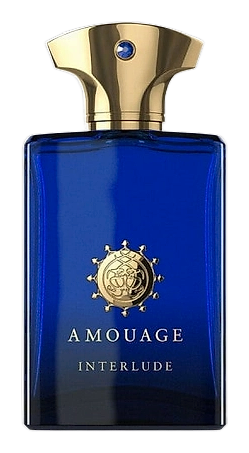
Blaspheme gets compared to some of the most respected smoky-resinous compositions in the niche fragrance world, names like Amouage Interlude Man, Tauer L'Air du Désert Marocain, and Mendittoressa Osang. That Blaspheme earns those comparisons at its scale says something about the composition's ambition. The fragrance appeals to a specific kind of wearer: someone drawn to smoke over sweetness, bitter over syrup, and minimalism over abundance. It's a dry, incense-driven composition that never reaches for vanilla or benzoin to soften its edges, and that quality sets it apart in a category where smoky fragrances often lean sweet.