
The Story
Why it exists.
The beginning
Odori launched in 2008 with a small collection of single-ingredient studies, fragrances built around one idea, one transformation, one story. Spigo 2008 was the house's answer to a question: what happens when you take lavender, the most familiar note in perfumery, and force it to reckon with warmth? The name comes from the Italian spigo, another word for lavender spike, a nod to the ingredient's Mediterranean roots and a signal that this isn't the lavender of your grandfather's cologne. The brief was simple on paper: make lavender interesting again. The execution required finding exactly the right supporting cast.
Lavender and vanilla aren't usual partners in a fougere. Traditionally, lavender stays in the heart while vanilla lingers in the base, separate jobs, separate moments. Spigo 2008 collapses that distance. Vanilla enters early, wrapping around the lavender while it's still sharp, letting the herb and the sweetness argue until they reach a truce. The result is a fragrance that smells herbal without being masculine, warm without being sweet. Sage and cedar amplify the Mediterranean character. Bergamot and lemon keep the opening from getting too heavy. The amber binds it all together, a golden thread running from first spray to last.
The evolution
The opening is where Spigo earns attention. Lavender arrives clean and bright, but there's an immediate warmth underneath, vanilla pushing through before you expect it. Bergamot adds a citrus sparkle that lifts the herb slightly, keeping it from feeling like a soap bar. The first twenty minutes are the most complex: sharp and sweet in almost equal measure, with lemon providing a brief cameo before fading. As the fragrance settles, the lavender and sage take over, this is the heart phase, and it's where the fougere structure becomes clear. The herb doesn't dominate, though. It shares space with amber, and the combination smells like late afternoon sun on dry grass. Three to four hours in, the drydown arrives: vanilla and amber over cedar. The lavender is gone by now, but its cleanliness lingers in the background. The final hours are intimate, skin-close, and warm, a whisper rather than a statement.
Cultural impact
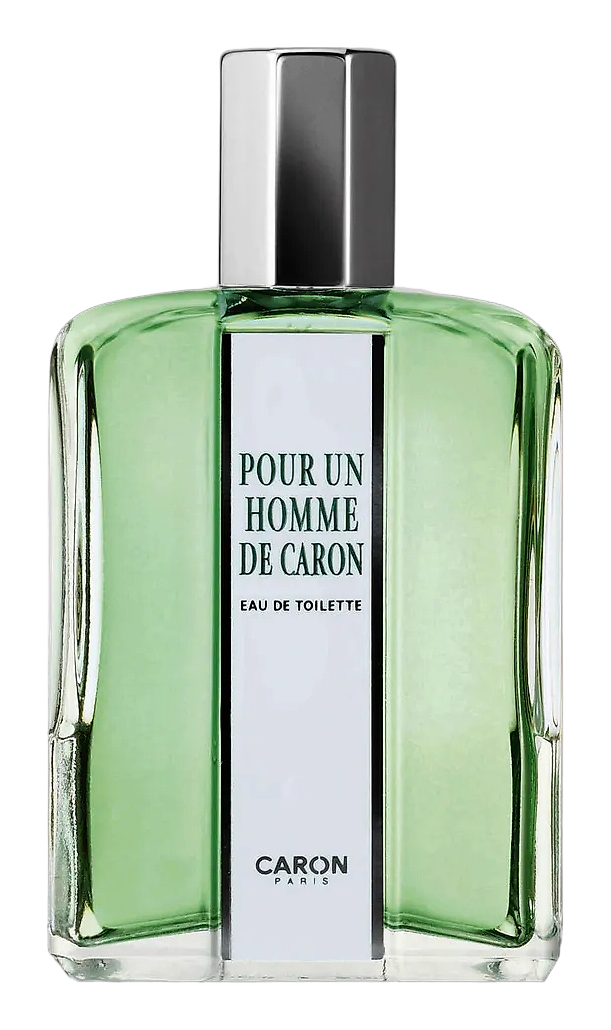
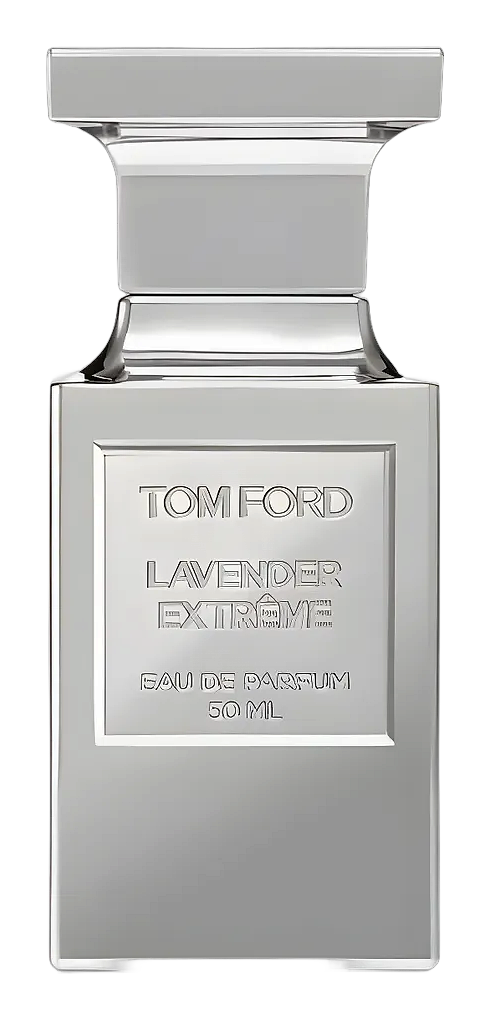
Spigo 2008 occupies an interesting middle ground, too distinctive for mass-market appeal, but more approachable than avant-garde niche. It's the kind of fragrance people discover after smelling it on someone and asking. Among fragrance enthusiasts, it often comes up alongside Caron Pour Un Homme and Tom Ford Lavender Extreme as a reference point for the lavender-vanilla pairing. But Spigo 2008 carves its own territory: the Italian sensibility of sage and cedar, the herbal warmth that doesn't tip into masculine.