
The Story
Why it exists.
The beginning
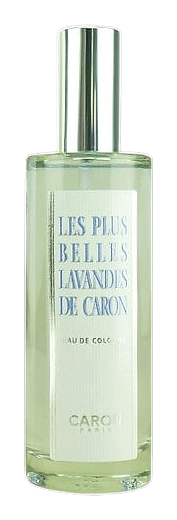
Richard Fraysse built Les Plus Belles Lavandes with a single ambition: to make lavender mean something again. The note had been used in so many masculine fragrances, often in simple fresh formulations. Fraysse's answer was a lavender interpretation that refuses to stay clean. The name itself is a statement, les plus belles, the most beautiful, as if to claim the note was capable of more depth than it had been given credit for.
The doubled lavender structure is the quiet innovation here. Top and heart share the same material, but the concentration shifts as the minutes pass, the opening is all crisp, herbaceous cool air, while the heart lavender arrives softer, warmed by the vanilla threading through. This one lives in it, and that repetition is what makes it feel honest rather than redundant. The doubled presence creates a sense of fullness that a single appearance of the note could never achieve, giving the fragrance a continuous thread that holds everything together.
The evolution
The opening announces itself straight lavender, cool and immediate. Within minutes, the vanilla arrives and the composition tilts warm. The herbal edge doesn't disappear; it recedes behind the sweetness, present but obedient. Then amber and musk take over, shifting the focus from herb to powder. The drydown stays close to skin, intimate rather than announced. The progression feels natural, each stage building on the last without jarring transitions, the lavender never fully disappearing even as other notes come forward.
Cultural impact
The fragrance represents a deliberate effort to explore lavender's potential. Positioning it as a sophisticated material capable of warmth and intimacy, Richard Fraysse's approach of doubling the lavender note, using it in two concentrations to bookend the composition, demonstrates a structural confidence in reimagining traditional materials.