Richard Fraysse
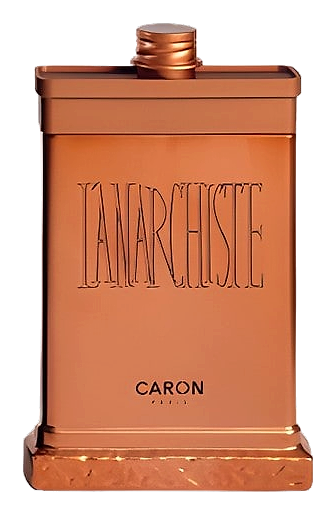
Richard Fraysse carries perfume in his blood. The son of André Fraysse, who shaped scents at Lanvin beginning in 1925, Richard inherited not just a name but an intuition for fragrance that feels almost instinctive. At Caron, the legendary Paris house known for its uncompromising vision and rich floral heritage, Richard has spent decades honoring an extraordinary legacy while pursuing something more personal: the creation of a scent that might speak to every human being. He joined Dominique Ropion in developing what Caron calls 'liquid emotion,' pushing the house's signature style into new emotional territory. His work spans the house's modern catalog, from the provocative L'Anarchiste to the opulent Montaigne, proving that respect for tradition and creative ambition need not conflict.
The hits
Notable creations

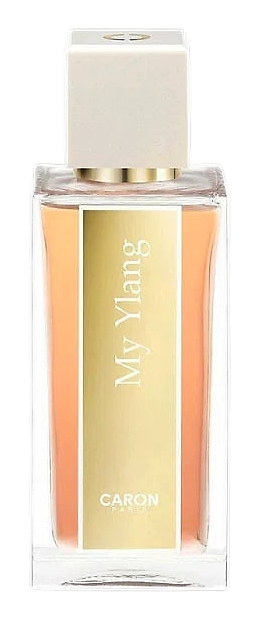
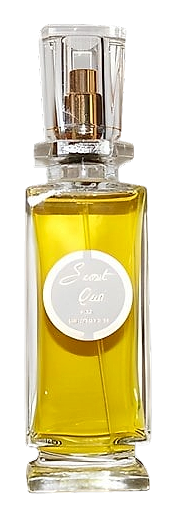
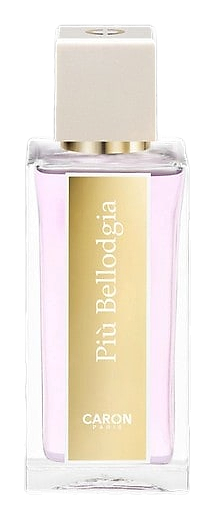
The signature
How Richard composes
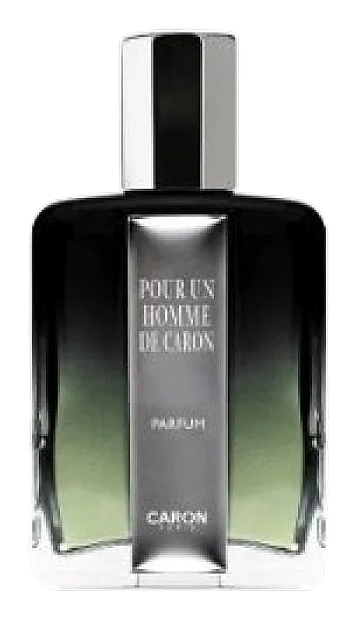
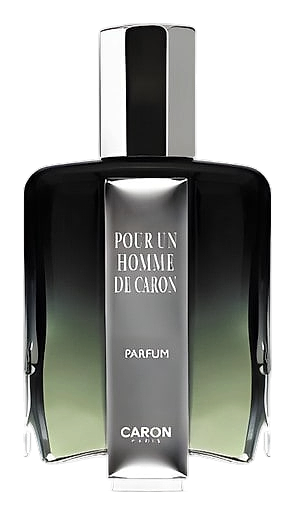
Trained within Caron's exacting tradition, Fraysse gravitates toward bold, assertive compositions. He favors rich florals and substantial oriental structures, building perfumes with genuine weight and presence. His work honors the house's commitment to strong sillage and memorable projection while introducing contemporary precision to classical forms. Where lesser perfumers dilute, Fraysse concentrates. His signature reads as an extension of Caron's house style rather than a departure from it, rooted in lavender traditions like Pour Un Homme yet unafraid of complexity.
Philosophy
What drives Richard
Fraysse believes fragrance must surprise. 'The creation of a fragrance is meant to surprise, it must be magic,' he has said. He chases an almost impossible ideal: a scent universal enough to resonate across cultures and personalities. This drives him toward emotional truth rather than trends, toward compositions that move people on a level deeper than preference. He views each creation as an opportunity to forge connection, to build bridges through scent between strangers who might share nothing else in common.
The houses
Maisons Richard composes for
In the same league