The Story
Why it exists.
The beginning
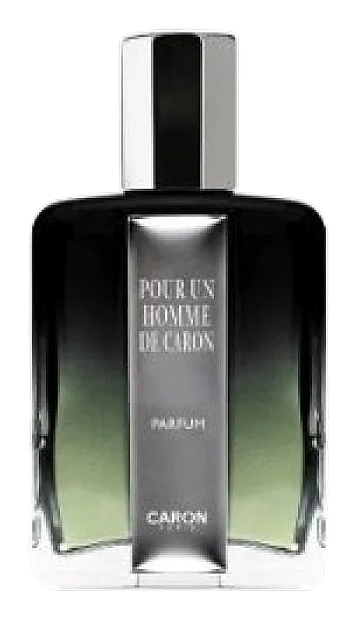
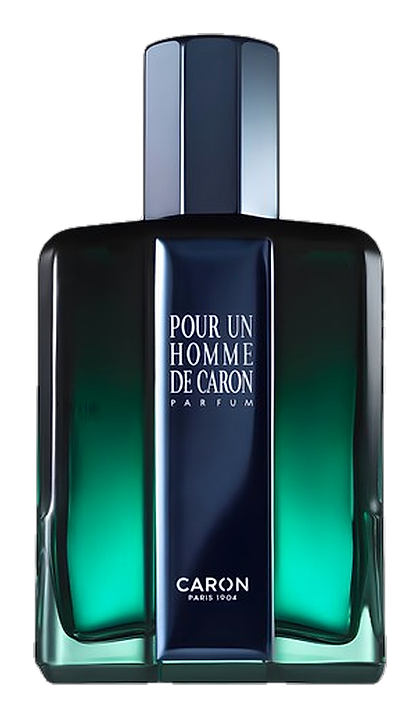
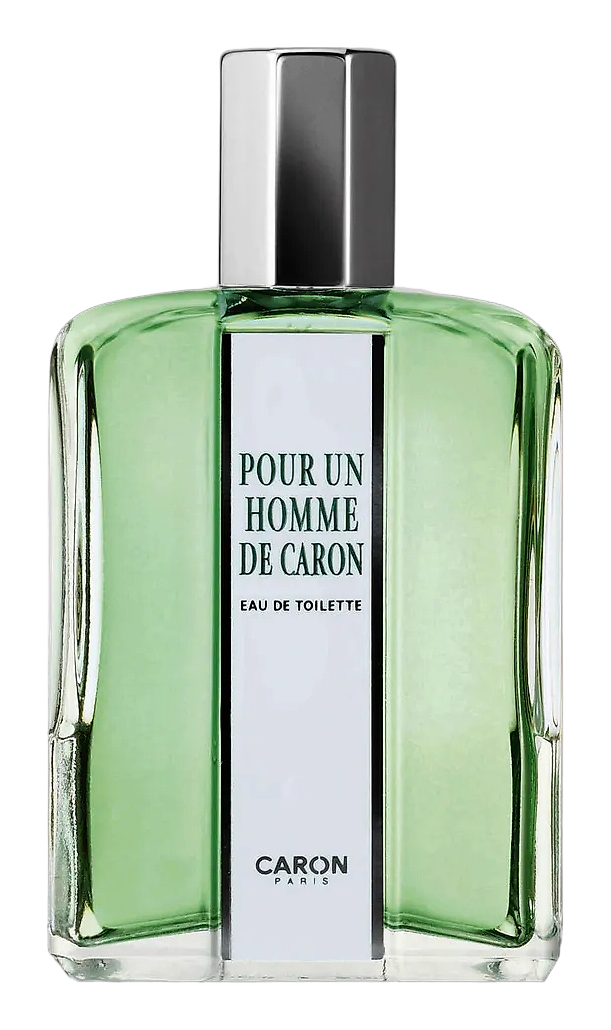
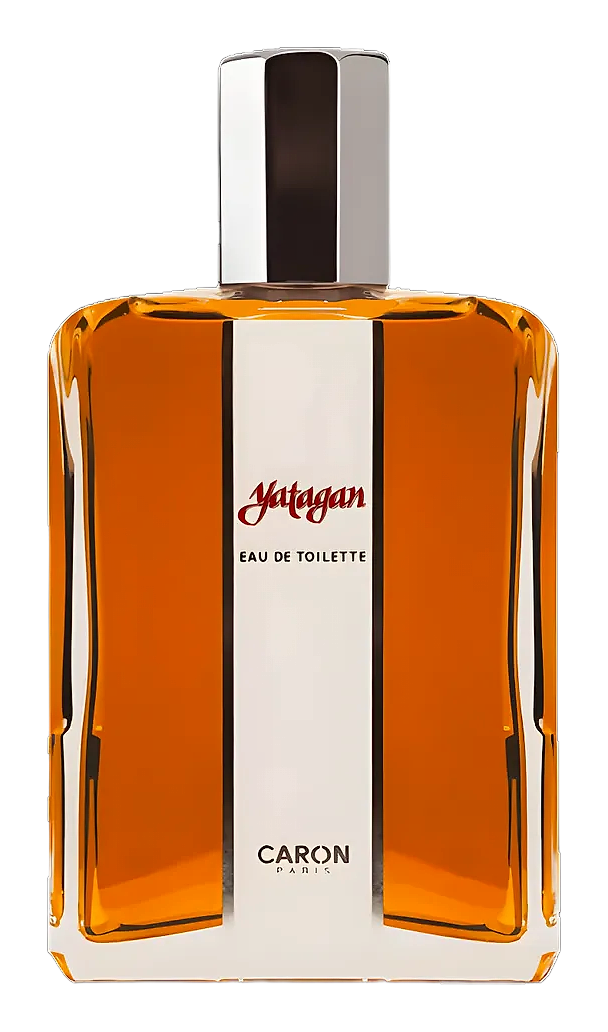
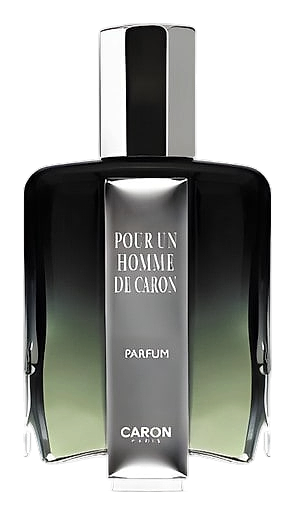
Richard Fraysse revisited Pour Un Homme de Caron in 2017, taking the 1934 signature and giving it a new chapter. The original had become a house cornerstone, the fragrance generations of wearers reached for when they wanted character without complication. He kept the core structure that made the original work, lavender as the calling card, vanilla as the personality, and added depth through the base notes, allowing the composition to unfold with more complexity as it develops on the skin.
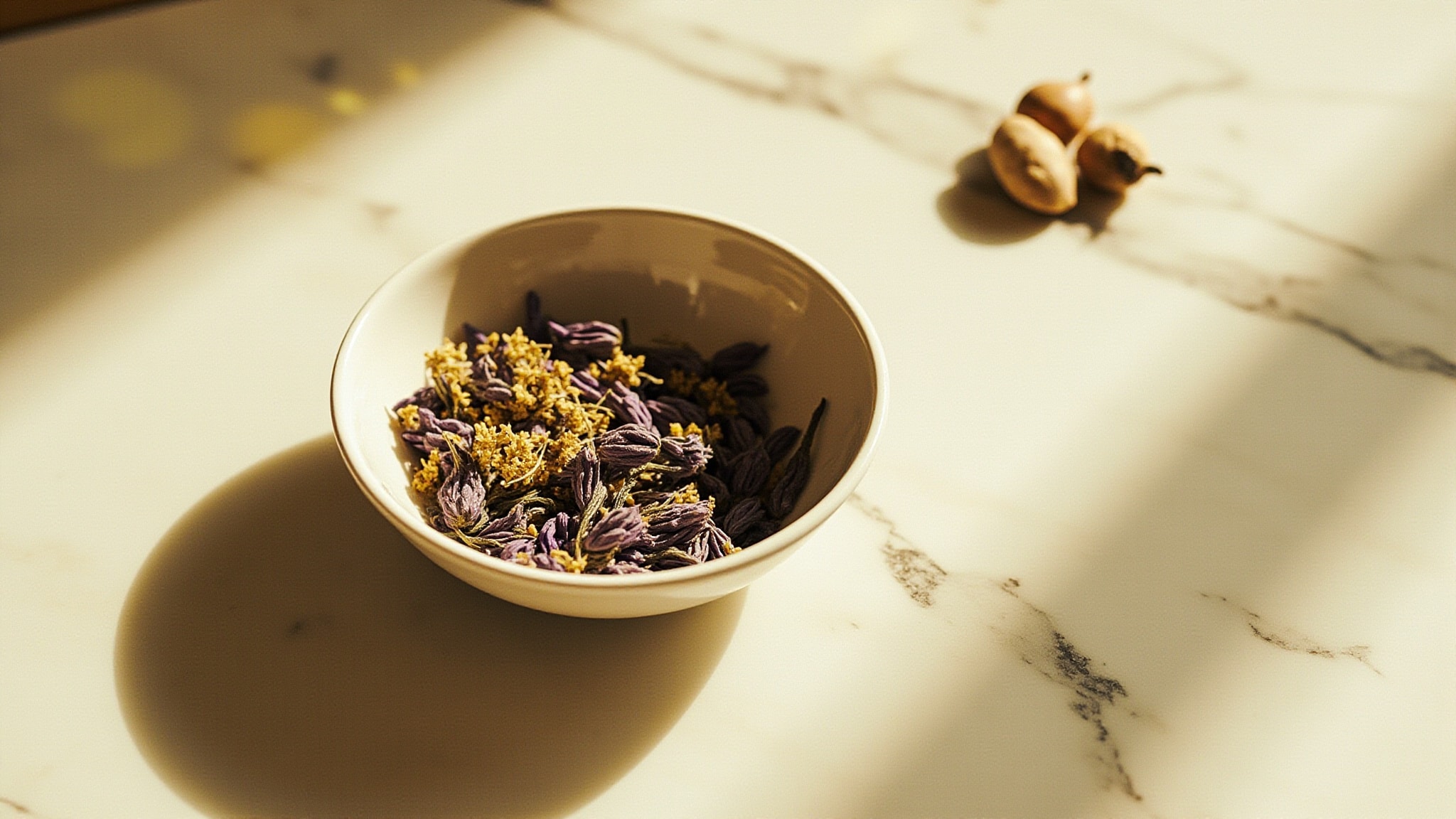
The lavender-vanilla-musky trio is deceptively simple. What Fraysse understood is that lavender can read either cold or warm depending on what surrounds it. By pushing the vanilla louder and anchoring it with a musk that reads powdery rather than animalic, he tilted the whole composition toward softness without sacrificing the herbal clarity that makes lavender worth wearing at all. The amber acts as a bridge, it keeps the vanilla from cloying and the lavender from going flat on dry skin.
The evolution
The opening arrives bright and immediate: lavender at its most herbal, with just enough aromatic lift to feel alive rather than potpourri-adjacent. Within twenty minutes, the vanilla announces itself, not as a wall of sweetness but as a creaminess that rounds the lavender's edges. The transition is seamless. By the second hour, you've entered the heart: powdery, warm, with the musk building quietly underneath. The amber keeps everything grounded. By hour three, it's all drydown, vanilla and musk in equal measure, the lavender faded to memory, the skin warm and close. On fabric, it lingers into the next morning.
Cultural impact
Pour Un Homme de Caron has outlasted every trend in masculine fragrance. The lavender-vanilla signature has remained a constant presence, not because it plays it safe, but because it works. The 2017 flanker brought this classic approach to a new generation, finding an audience among those who appreciate character over convention.