The Story
Why it exists.
The beginning
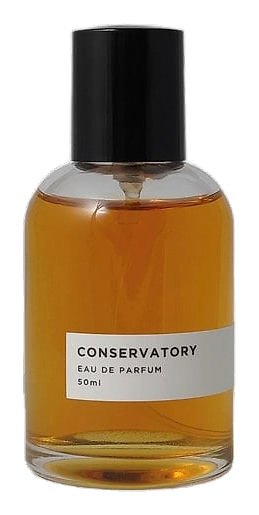
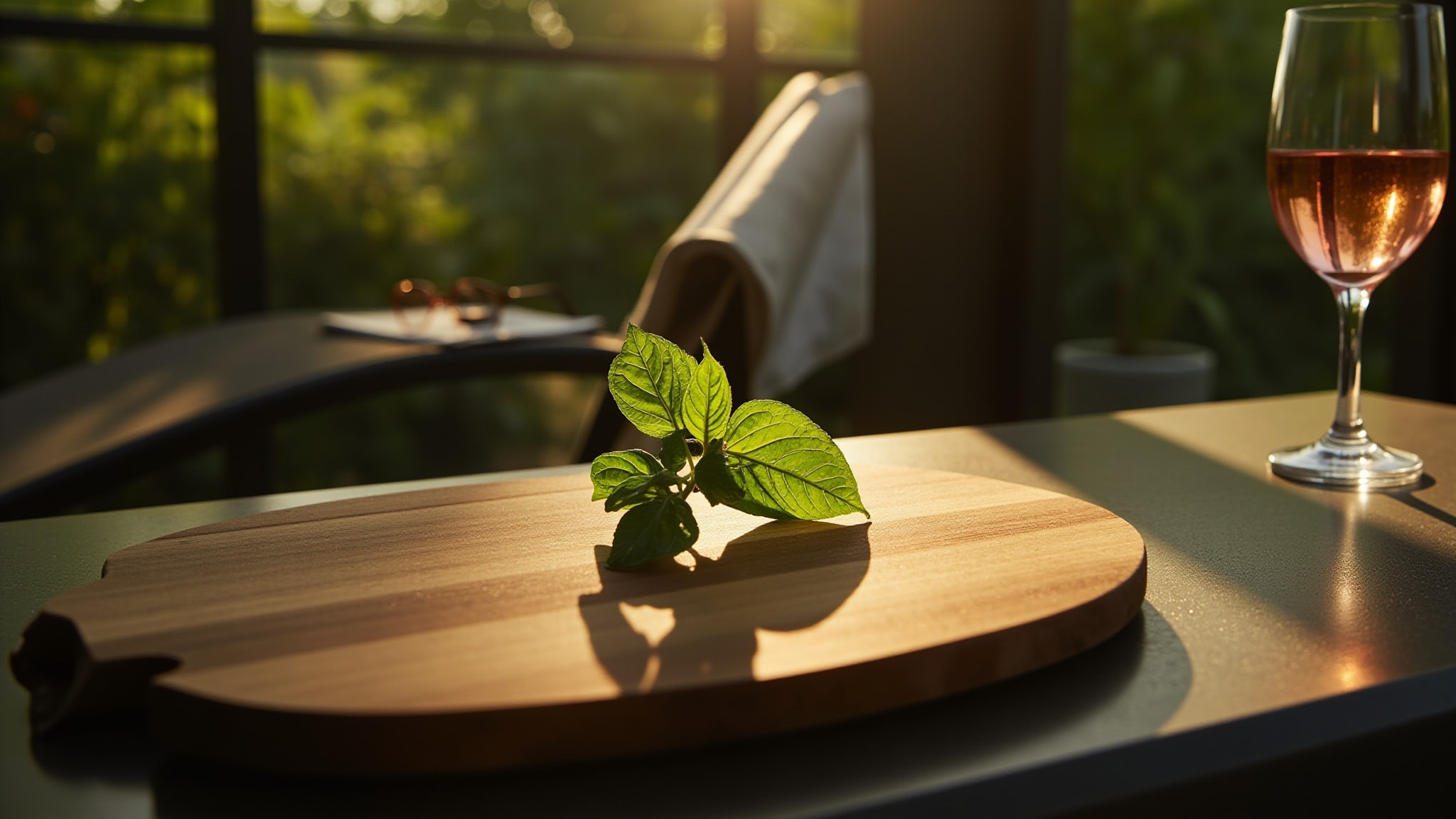
A conservatory is a controlled kind of wild. You walk through the door and the air shifts, thick with moisture and green things, held just warm enough to keep everything alive. That's the room Conservatory occupies in Oaken Lab's lineup, the glass-walled one, the garden you can see even when you can't go outside. A space engineered to grow things, and also to sit inside, listening to water on leaves. The composition itself carries that same logic of containment and openness: a fragrance that takes the humid, tangled energy of a greenhouse and gives it structure without sanding off the rough edges. You get the sensation of leaves pressing close, of condensation gathering on every surface, of something alive and rooted rather than decorative.
What makes Conservatory interesting is how it arranges its materials. The neroli brings an orange-flower brightness that lifts the whole composition, giving it a quality of diffused light, while the rose introduces a different kind of softness, one that feels less like a bouquet and more like something aging quietly in a vase. The benzoin is where the structure finds its weight, a warm resinous presence that grounds the lighter materials and gives them something to lean against. Without it, the florals would feel insubstantial; with it, they feel anchored to something older and more permanent.
The evolution
Conservatory doesn't announce itself all at once. The first few minutes carry an almost vegetal crispness, a sensation of standing in a space where the air is saturated and every breath tastes faintly of growth. There's a sharpness here that demands attention, an herbal clarity that reads as fresh and almost mentholated before anything else. Within the first half hour, the composition begins to shift, and the greener top notes start to recede in favor of something more structured and architectural. Wood emerges underneath, giving the fragrance a backbone that wasn't visible at first spray. The resinous materials begin to assert themselves, and the whole character tilts from bright to warm, not abruptly, but in the way afternoon light changes inside a glass room, gradually and without anyone noticing exactly when it happened.
Cultural impact
Conservatory occupies an interesting position in the current landscape of independent perfumery, one where wearers are increasingly drawn to compositions that feel specific and grounded rather than generic. The fragrance has found an audience among people who treat scent as a way of inhabiting a particular atmosphere, a tool for mood and environment rather than mere decoration. It rewards close attention, revealing more of itself the longer you wear it and the more time you spend listening to how it changes.