The Story
Why it exists.
The beginning
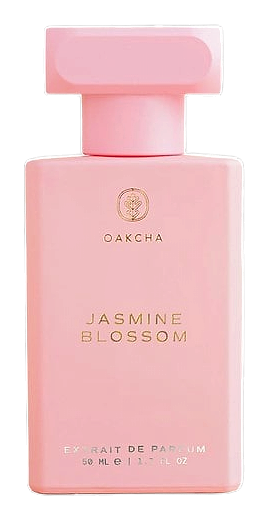
Oakcha built Jasmine Blossom around a single idea: making white florals accessible without compromise. Jasmine and tuberose anchor the heart, their interplay creating a creamy, enveloping warmth that feels both intimate and radiant. The result is a fragrance that opens like a fresh morning and stays floral all the way through, with a brightness that captures the feeling of petals catching early light. It's a scent that invites you in rather than announcing itself, staying close and personal throughout the wear.
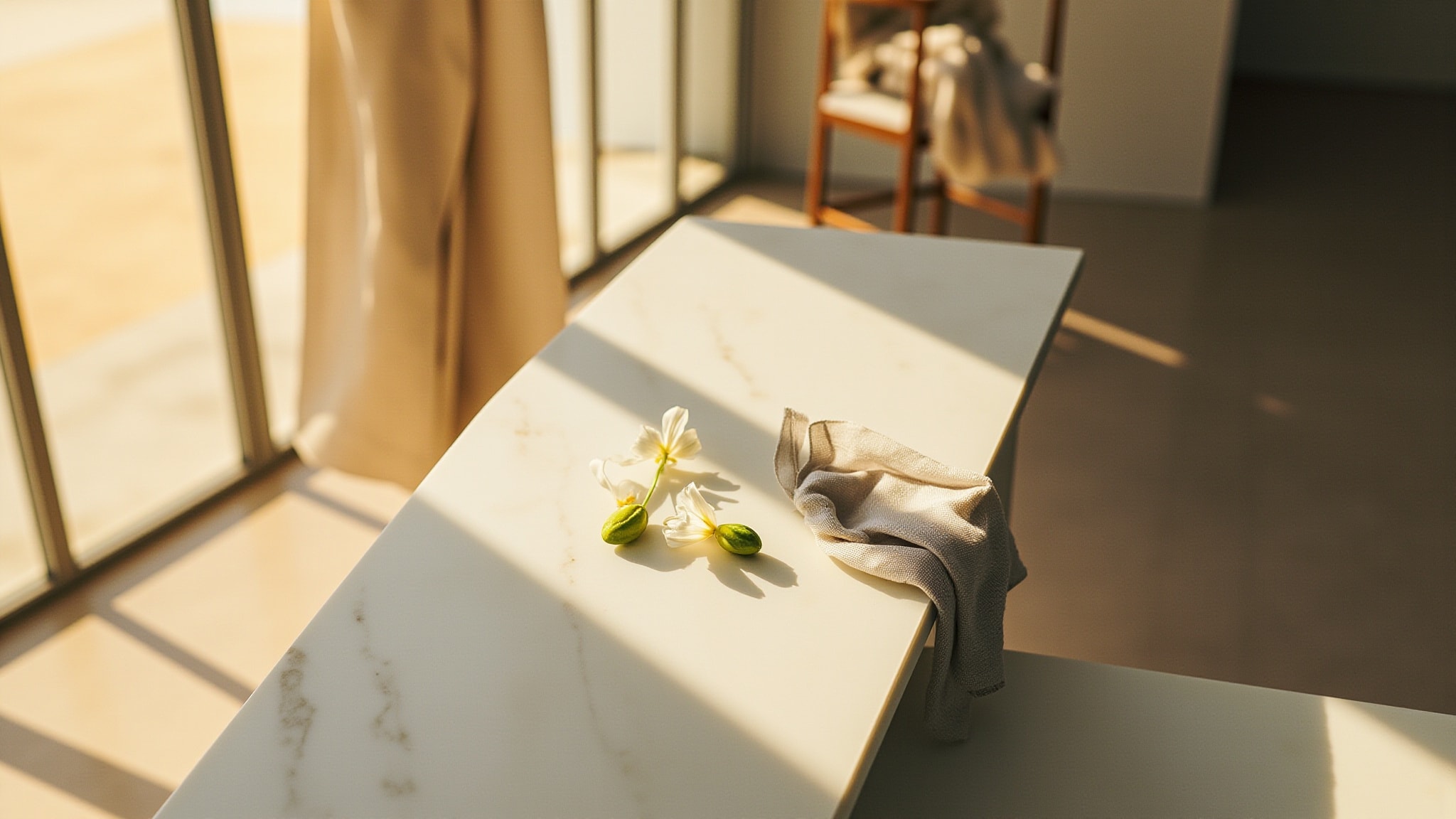
White florals can be heavy. Cloying, even. Jasmine Blossom sidesteps that by pairing jasmine with tuberose rather than letting either dominate alone. The two create a gardenia-like effect together, creamy, slightly indolic, but lifted by the citrus opening and grounded by sandalwood so it never tips into potpourri territory. It's the kind of white floral that works on warm skin without overwhelming the room.
The evolution
The opening is citrus and instant, bergamot, lemon, a flicker of neroli. Bright and clean. Within minutes the jasmine arrives, not fragile but insistent, and the tuberose follows close behind. Those two notes build a white floral heart that reads as creamy, warm, a little narcotic. The drydown is where sandalwood and musk take over, but the jasmine doesn't fully leave. It lingers. The whole composition stays close to the skin, intimate and warm, still floral as it settles into its quieter hours.
Cultural impact
White florals, jasmine, tuberose, orange blossom, define the modern perfumery moment. Jasmine Blossom captures that aesthetic at a price point that makes it accessible to anyone who wants it. It brings the same garden-in-bloom energy to a wider audience, part of a broader shift where the line between niche and mainstream has quietly dissolved.