The Story
Why it exists.
The beginning
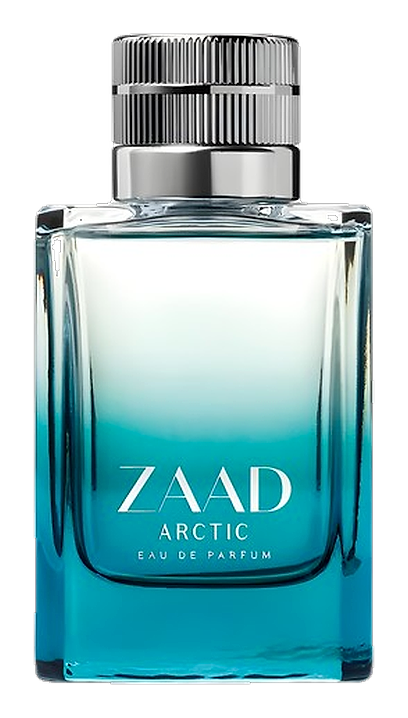
Zaad Arctic arrived in 2023 from O Boticário's labs, and the name says everything. Arctic, not Amazon, not tropical, not the botanical territory the brand usually mines. Something else. Something cold. Perfumer Clément Gavarry built this around a single provocative idea: what if Brazilian perfumery reached north instead of south? The fragrance translates the sensation of extreme cold into scent, glacial water, ice accord, the sharp bite of bergamot at the edge of a frozen lake. It's an inversion of expectation. Where most fresh fragrances promise warmth, Zaad Arctic delivers freeze first, warmth second. The name itself, Zaad, meaning 'forward', suggests movement, ambition, something reaching beyond its origins. Gavarry's intent was clear: create a fragrance that feels like the moment before warmth arrives, when the air still bites and the light is thin.
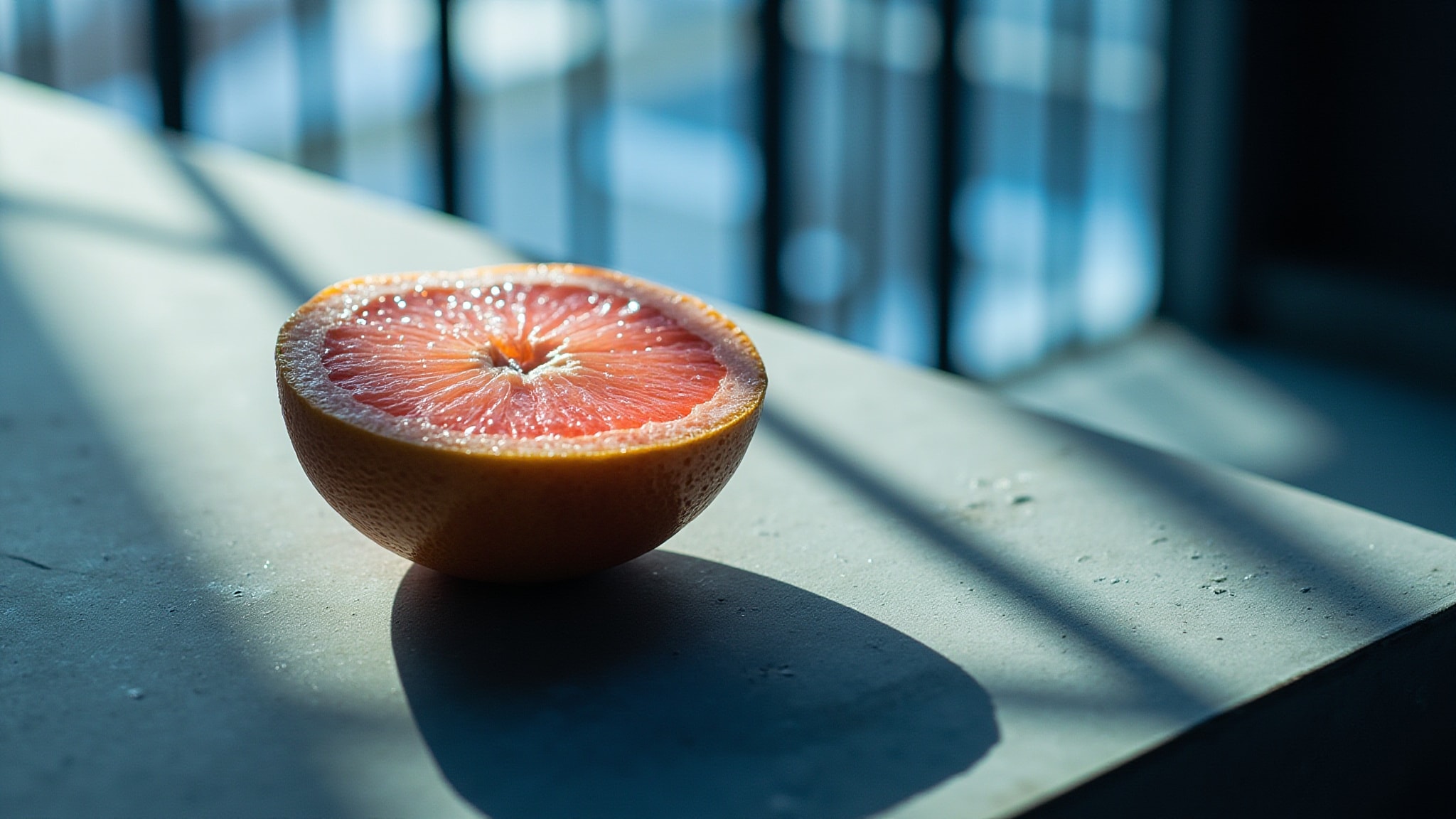
The ice accord is the boldest choice here, a synthetic material that replicates the sensation of cold without using actual frozen water. It's also the most divisive. In a world where 'natural' sells, using an artificial material to simulate weather seems counterintuitive. But Gavarry understood something: authenticity isn't about origin, it's about honesty. The ice accord doesn't pretend to be anything other than what it is, a constructed sensation of cold. It smells like January air, like the moment your lungs contract stepping outside. Bergamot and grapefruit amplify this, adding brightness that reads as cold rather than warm.
The evolution
The opening hits like stepping into a freezer. Bergamot and grapefruit arrive sharp, almost aggressive, and the ice accord amplifies everything into something that smells like cold air itself. This phase lasts maybe twenty minutes on most skin types, aggressive, bright, polarizing. Some people love that shock of cold. Others find it too synthetic, too harsh. Then the hand-off. Black tea and cypress arrive, and the cold doesn't disappear so much as soften. The bergamot recedes, the grapefruit dulls, and the tea adds a mineral quality that feels like the air after rainfall, clean, slightly bitter, still cool. This heart phase lasts two to three hours, and it's where Zaad Arctic reveals its depth. The geranium adds a slight floral quality, barely perceptible, and the elemi resin brings a subtle resinous warmth that keeps everything grounded. Then the drydown. Cedar and oakmoss take over, and the cold is gone now, replaced by something warm and dry. The amber adds a subtle sweetness, but it's not dessert-sweet, it's the warmth of wood sitting in thin winter sunlight.
Cultural impact
Brazilian fragrance culture has long been shaped by brands like O Boticário, which helped popularize mass-market perfumes in the country and made luxury scents accessible to a broader audience. The aquatic fragrance trend, which began gaining momentum globally in the late 1990s and early 2000s, deeply influenced the Brazilian market, where fresh, clean scents became synonymous with masculinity and modern grooming. Zaad Arctic enters this legacy as part of O Boticário's ongoing evolution in the masculine segment, reflecting how Brazilian consumers continue to embrace fresh, aquatic fragrances as everyday signatures rather than special occasion scents.