The Story
Why it exists.
The beginning
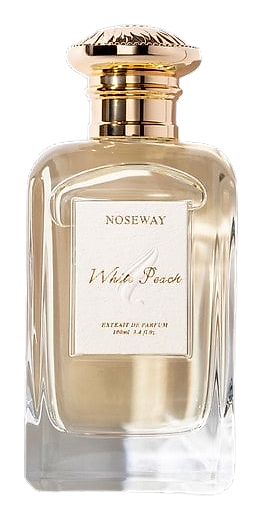
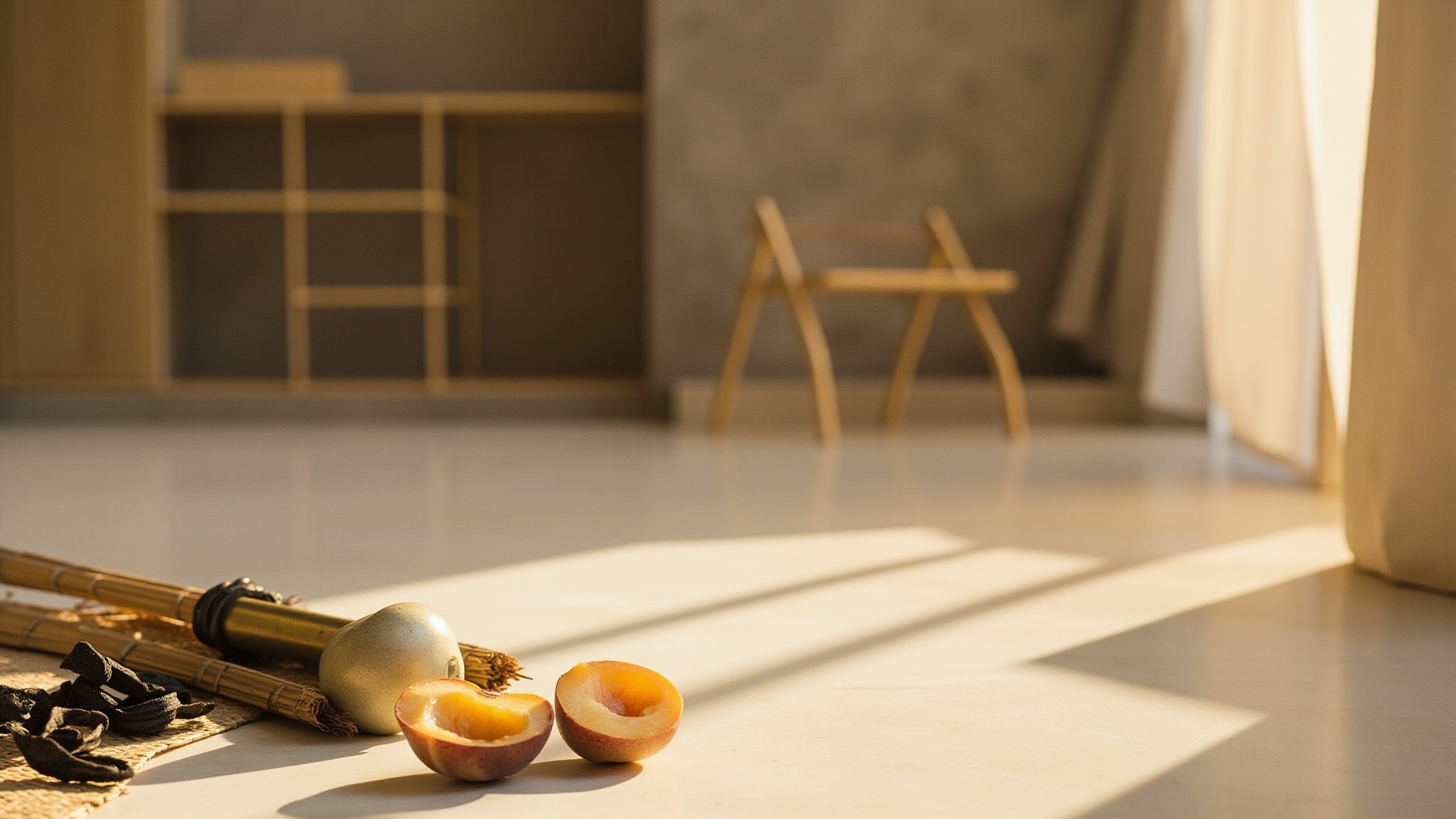
Terrence Chen composed White Peach for Noseway's lineup, part of a growing body of work from the Taiwanese house that has steadily introduced regional collectors to a clear thesis: scent as atmosphere. The collection draws from Chinese and Taiwanese tea culture, mountain light, and the specific hush of an afternoon that stretches longer than expected. White Peach sits inside that world, an edible still life dressed in oolong and sandalwood, less an experiment than a sketch of a very particular afternoon. The opening carries a soft fruit sweetness that feels less candied than sun-warmed, the peach note arriving in a gentle wash rather than a sharp burst.
What makes this composition distinctive is the restraint of the pyramid. Four notes, no excess. The white peach functions differently here than in a mainstream fruity release. It's not candied or jammy. It carries a floral, almost stone-fruit-vegetal quality that reads closer to biting into the real thing in season. Pairing it with oolong instead of vanilla or sugar keeps the sweetness in check and adds a slight tannin, the roasted-leaf bitterness that oolong carries after a long steep. Then the Mysore sandalwood does something specific: it doesn't just ground the composition, it warms the fruit into something that smells like skin temperature rather than refrigeration.
The evolution
The peach arrives fast. Not a slow build, a placement. There's a half-hour window where the fruit is bright, almost fizzy, the way a ripe white peach smells when you press your thumb into the flesh and the juice wells up. No alcohol sting, no sharp edges. Just wet, floral sweetness that already carries something warmer underneath. Around the 30-minute mark the oolong starts pulling weight. It's not smoky oolong, not the charcoal-roasted kind. More like a high-mountain oolong that steeps pale gold. The fruit and the tea share space, and the sweetness tightens into something less generous, more mineral. An hour in, the sandalwood takes over. Mysore sandalwood has that specific creamy density, and here it absorbs the remaining fruit and turns it warm. The amber doesn't announce itself. It thickens what's already there, adds a faint resinous sweetness underneath the wood. By hour three or four it's mostly skin-warm sandalwood with a ghost of peach still readable on close inspection. On a scarf or a collar, the drydown holds into the next morning.
Cultural impact
White Peach sits within Noseway's broader catalog of twenty-two fragrances, a body of work that has built a quiet following among collectors interested in regional niche perfumery. The peach-and-oolong pairing is unusual enough to stick in memory, and it's the kind of combination that rewards a second wearing. The oolong grounds what could have been a simple fruit scent, lending enough tannin and smoke to keep the composition from collapsing into sweetness. On skin, the peach reads soft and slightly fuzzy rather than syrupy, more like the smell of ripe fruit held in a closed palm than anything poured from a bottle.
The House
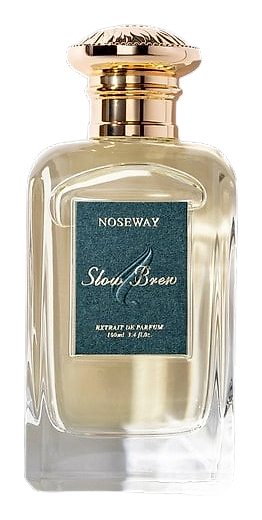
NosewayNoseway is a Taiwanese niche fragrance house founded by Nicolas Dewitte, dedicated to creating scented narratives that blend Eastern and Western olfactory traditions. The brand operates from Taiwan and has garnered attention for its rich, layered compositions that draw inspiration from the island's natural landscapes, tea culture, and spiritual heritage. Noseway's collection spans multiple fragrance families, from fresh and meditative scents to romantic florals and contemplative woody compositions. The house presents each fragrance as a portal into a distinct sensory world, inviting wearers to explore memories, places, and emotions through scent. With offerings like the calming Religious Cedar, the meditative Zen Whisper, and the evocative Slow Brew, Noseway positions itself as a thoughtful voice in the niche fragrance space, appealing to collectors who seek depth and storytelling in their perfumes.
The Creator
Terrence ChenTerrence Chen gravitates toward fragrance concepts rooted in specific geography and cultural heritage. Taiwan serves as his primary anchor point, informing both his material choices and conceptual approach.