Terrence Chen
Terrence Chen approaches fragrance as a dialogue between place and memory. Based in Taiwan, he serves as Creative Director for perfumer Kaiwei Hsieh, bringing a director's sensibility to scent development. His vision for the award-winning "Torreja Sacra" drew from the forest-covered slopes of Yushan, Taiwan's tallest peak, translating landscape into olfactory narrative. This collaboration earned the 2026 Art and Olfaction Award, cementing Chen's reputation as a conceptual force in contemporary fragrance. He sees himself less as a nose and more as a storyteller, using scent as the medium to convey specific cultural and geographic moments. Chen's background bridges visual arts, cultural research, and fragrance chemistry, enabling him to articulate fragrance concepts with unusual precision. His Instagram presence under @terrence_nose reflects his ongoing interest in the intersection of scent, memory, and place.
The hits
Notable creations
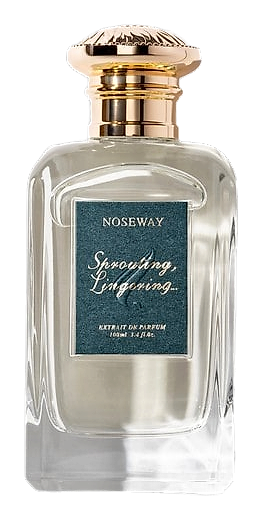
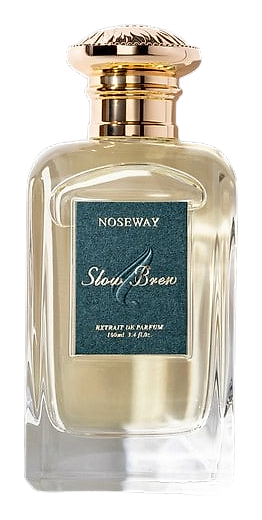
The signature
How Terrence composes
Terrence Chen gravitates toward fragrance concepts rooted in specific geography and cultural heritage. Taiwan serves as his primary anchor point, informing both his material choices and conceptual approach. He favors natural ingredients with clear provenance, particularly those tied to Taiwanese traditions. His creative process typically moves from place and memory toward materials and accords. As a director, he excels at communicating olfactory goals to perfumers, translating sensory intent into technical briefs while preserving emotional core. Chen's collaborative strength with Kaiwei Hsieh demonstrates his ability to maintain conceptual clarity throughout development, ensuring the final fragrance delivers on its initial promise.
Philosophy
What drives Terrence
Terrence Chen operates at the intersection of creative direction and scent development. He approaches fragrance like a film director approaches a script: thinking in narrative arc, emotional beats, and sensory cinematography. His core belief holds that fragrance should communicate something specific and communicable, not merely evoke something pleasant. This drives his collaborative method, which emphasizes translating abstract cultural and geographic concepts into concrete fragrance briefs. Chen prefers to begin each project with a clear conceptual anchor before engaging with materials. He considers himself a bridge between the perfumer's technical expertise and the audience's emotional experience.
The houses