The Story
Why it exists.
The beginning
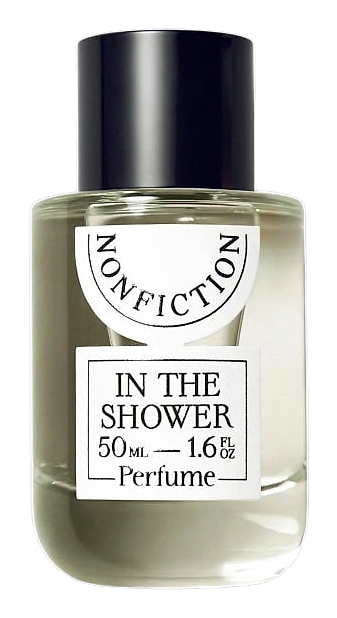
In The Shower launched as part of Nonfiction's early collection, a house built around the idea that fragrance should read like an atmospheric impression, a specific sensory memory captured in a bottle, rather than a pyramid of notes stacked up for inspection. This particular composition was framed as wet earth in the forest after the rain, that particular moment when damp ground exhales and the air holds the weight of recent precipitation. Nonfiction's creative direction here leaned into an unlikely pairing: the smoke and resin of guaiac wood set against the bitter brightness of a Campari accord. The idea was never to balance those opposites into something polite or easily digestible.
The unusual move here is treating Campari like a top-note protagonist rather than a cocktail ingredient. That bitter, herbal-citrus character cuts through patchouli's earthiness and guaiac wood's smoky depth in a way most compositions refuse to attempt. Nonfiction built the formula so that the bitter orange and Campari carry real structural weight, holding the composition together with their bright sharpness while the heavier materials anchor everything from below. The patchouli isn't shy either.
The evolution
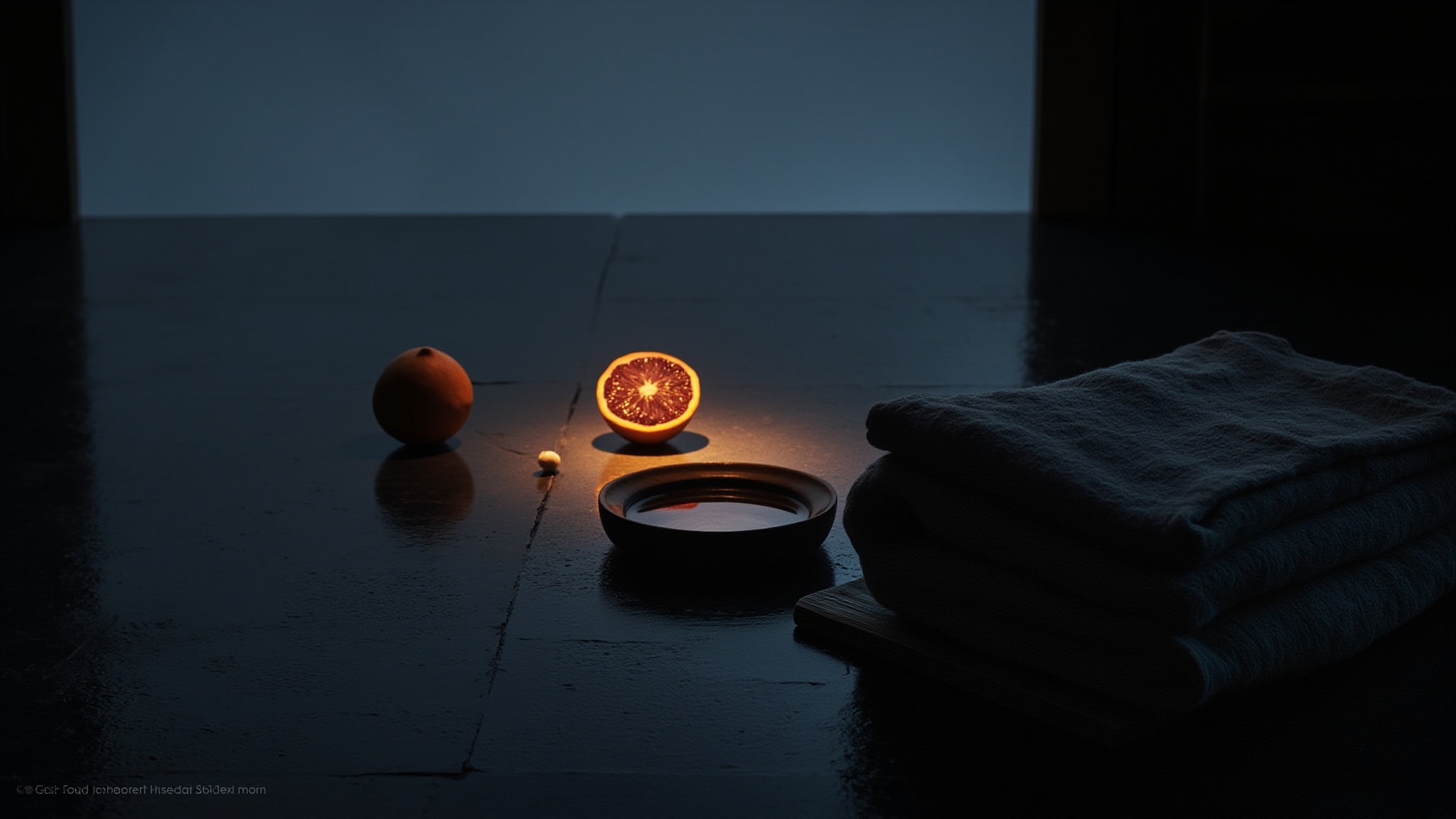
In The Shower began as Nonfiction's meditation on private, liminal moments: the thin curtain between day's end and night's beginning, when warm water and cooling air meet on the skin in a small haze of condensation. The house built the composition around patchouli and guaiac wood, two materials that already carry a sense of moisture and shadow on their own, then layered in Campari and bitter orange to cut through the smoke with a sharp citrus edge that keeps things from ever feeling too heavy. Over time the fragrance has come to be read as a portrait of solitude rather than a fragrance about bathing. Wearers describe the experience as the smell of a steamy mirror, a wet wool coat left on a tile floor, and the quiet that settles after everyone has gone home.
Cultural impact
In The Shower arrived as a striking example of indie perfumery's appetite for restraint, atmosphere, and memory-led writing rather than sweetness or projected glamour. The composition pushed against the loud, sugar-forward code that had come to dominate large portions of the fragrance landscape, offering instead something quieter, damper, and more private. The smoky patchouli and guaiac wood base signaled an appetite for a more introverted register, a willingness to let materials breathe in low light rather than shout across the room.