The Story
Why it exists.
The beginning
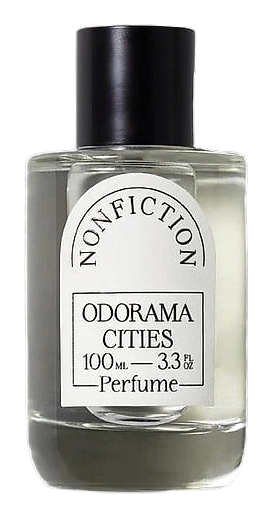
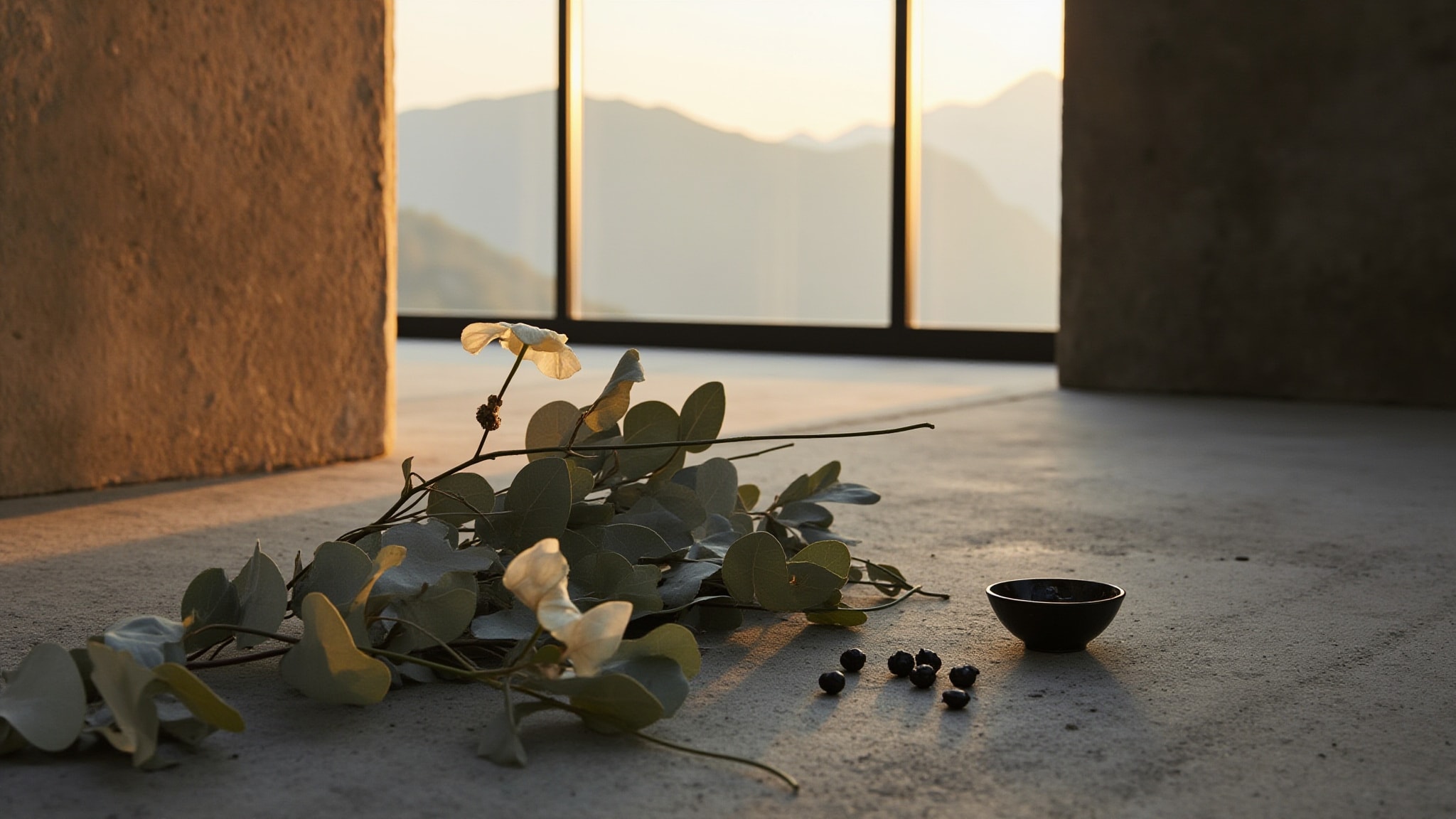
Odorama Cities distills the vast beauty of Korea, from mountainous landscapes to urban density, into a single olfactory frame. Released by Nonfiction with Dominique Ropion credited as perfumer, the fragrance operates inside a specific context: it was created for the Korean Pavilion at the 60th Venice Biennale. That curatorial setting shapes how the composition reads. It's built on contrast from the start. Eucalyptus and pepper set a cool, bracing surface across the opening, almost mentholated in its lift, while tuberose and sandalwood build something warmer and more inhabited underneath. The pepper layer (black, pink, and cinnamon bark) threads through the whole structure, never quite disappearing, keeping the cool and warm registers in dialogue rather than letting either dominate.
What's interesting here is the tension between cool top notes and dense warmth below. Eucalyptus pulls the opening toward something bracing, almost mentholated, while sandalwood, frankincense, and incense root the base in resinous depth. The pepper notes (black, pink, cinnamon bark) create a bridge layer that keeps the composition from collapsing into pure floral or pure wood. Tuberose appears in the heart but behaves differently than many might expect from the note. It shares space with smoke and bark, which mutes its usual tropical creaminess.
The evolution
The first 30 minutes are the most divisive window. Eucalyptus leads, sharp and almost mentholated, with pink and black pepper buzzing underneath. Some wearers describe a tea-like quality in this phase, even though no tea note appears in the pyramid. The coolness holds for about an hour before the composition pivots. Tuberose surfaces, but it's not the tropical, creamy bloom most people expect. Sandalwood and cedarwood pull it toward something drier, more textured, almost like sun-warmed bark. Incense arrives around the two-hour mark, not as a standalone moment but woven into the woody base, giving the whole composition a low, smoky warmth. The drydown after hour four is where the spices settle into something cohesive. Cinnamon bark and saffron linger, along with a quiet musk that keeps the scent close to skin.
Cultural impact
Odorama Cities carries a curatorial weight that gives it a different position than purely commercial releases. Created for the 60th Venice Biennale Korean Pavilion, it carries with it a sense of intention and context. The composition reads as one of the more architectural pieces in the Nonfiction lineup, leaning into density and texture rather than softness. Its fog-over-ridge character, that interplay of cool, smoky, and resinous notes, sets it apart from gentler, creamier offerings in the brand's range. The scent works well in transitional weather, where the bracing eucalyptus and incense-laden base feel most at home.
The House
NonfictionNonfiction is a South Korean fragrance, beauty, and lifestyle brand founded in 2019 by Cha Haeyoung. Headquartered in Seoul, the company emerged from Cha's background in art curation and fashion, launching as an antidote to the accelerating pace of modern life. The name reflects its core philosophy: an homage to the quiet, intimate stories that ground everyday experience. Rather than promising escape or transformation, Nonfiction offers scent as a vehicle for presence and recognition. The brand produces atmospheric fragrances inspired by specific memories, moments, and sensory impressions, presenting them through minimal retail environments designed to encourage slower, more intentional engagement. In 2025, Nonfiction opened its first North American location in New York City, marking a significant step in its international expansion.
The Creator
Dominique RopionDominique Ropion’s style is characterized by its opulence and sophistication. He's a master of layering and creating rich, complex accords.