The Story
Why it exists.
The beginning
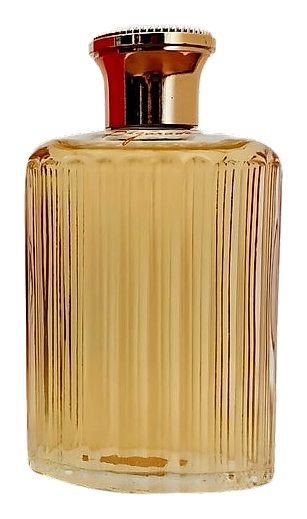
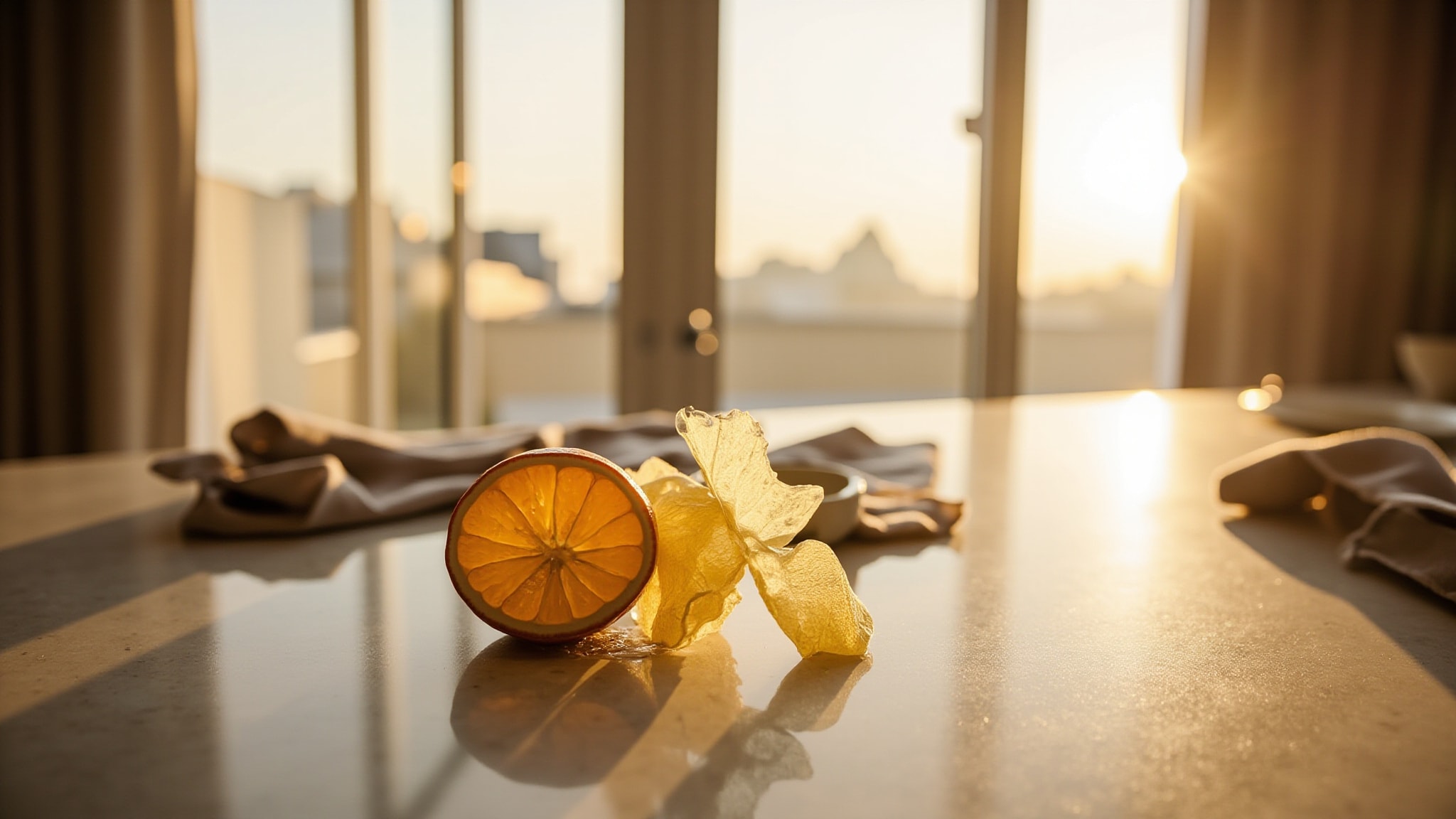
Bigarade arrived in 1971, composed by perfumer Roure Bertrand. The name is French for bitter orange, the kind with a thin skin and a tart, aromatic bite that separates it from sweet varieties. Roure Bertrand reached for bitter orange specifically, working within the aldehydic tradition that had become a reference point in French perfumery. The choice gave the top notes something to push against, and gave the base something to build toward. The aldehydic structure provides a particular kind of cleanliness to the opening, a precision that holds the citrus notes steady rather than letting them scatter. As the fragrance moves through its phases, the bitter orange takes on warmth, becoming less sharp and more rounded as the composition settles into its base.
The aldehydes serve as the structural foundation here, providing a framework that shapes how the other notes unfold. When the aldehydes begin to recede, the bitter orange takes on new character, becoming warmer and slightly more astringent as the floral notes appear and then fade. The floral heart is present but brief, a moment of softness before the composition moves toward its base. The oakmoss in the base is what makes this a true chypre, not a citrus cologne.
The evolution
The aldehydes arrive first, clean and precise. Citrus fruits accompany them, bright and immediate. The aldehydes don't simply vanish before long; they recede gradually as the bitter orange takes on new warmth, becoming slightly bitter in the way a squeezed peel can smell when it has been sitting on skin. The floral heart announces itself briefly, then retreats. There is a green phase, brief and leafy, before the oakmoss asserts itself. That is when the character shifts. The oakmoss does not dominate; it settles into the composition, giving the drydown its waxy, vintage chypre structure. What remains at the end is that oakmoss base clinging close to the skin, dry and earthy, carrying the memory of the citrus opening without being sweet. The fragrance moves through these phases with a coherence that suggests careful construction, each element supporting the next.
Cultural impact
Bigarade is a discontinued 1971 release, classified as a Chypre, with aldehydic citrus and bitter orange as its defining structure. As a vintage Nina Ricci composition from Roure Bertrand, it represents a particular approach to fragrance that characterized certain moments in French perfumery. The aldehydic citrus structure gives it a classical foundation, while the bitter orange note provides a distinctive tartness that sets it apart from sweeter compositions. The oakmoss base anchors the entire piece, creating the waxy, earthy character that defines the chypre family.
The House
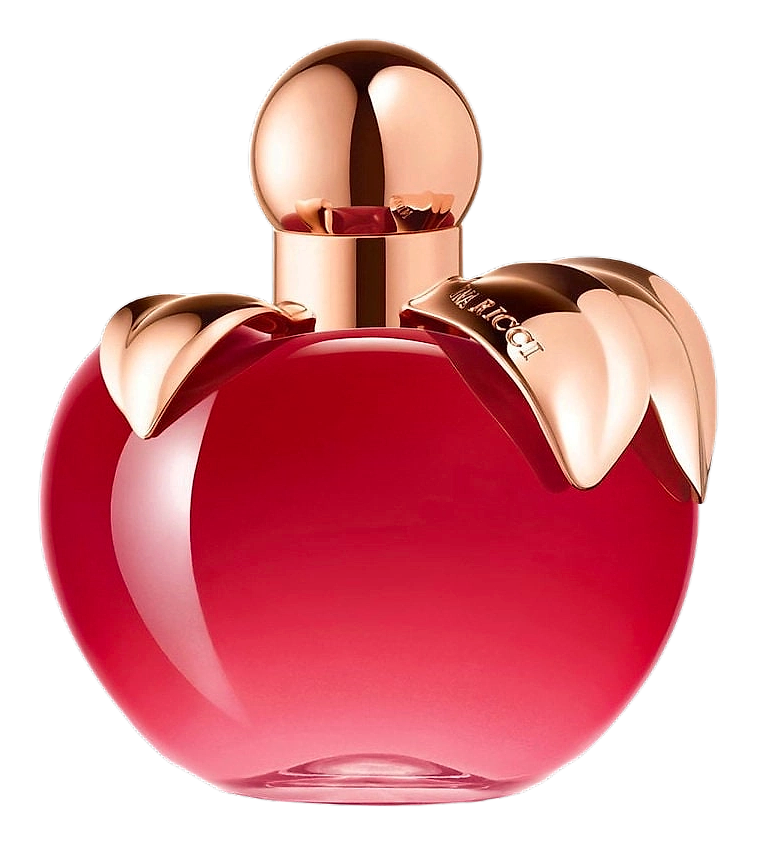
Nina RicciNina Ricci is a Parisian fashion house founded in 1932 by Italian-born designer Maria "Nina" Ricci and her son Robert Ricci. The house began as a couture salon on Rue Haussmann, quickly establishing a reputation for refined, feminine gowns with romantic sensibility. Robert established an in-house perfume division in 1941, though the first fragrance would not arrive until 1946. That inaugural scent, Coeur Joie, marked the beginning of a partnership with Lalique that would define the house's olfactory identity. The house introduced its most celebrated fragrance, L'Air du Temps, in 1948, a scent that remains in production decades later. Puig acquired Nina Ricci in 1998, bringing the house under the same ownership that manages Carolina Herrera and Jean Paul Gaultier. Today, the fragrance collection spans from timeless classics to contemporary offerings like the Nina line, maintaining the house's commitment to feminine elegance.
The Creator
Roure BertrandIncense anchors much of his signature work, yet his repertoire extends well beyond smoky, resinous territory. He demonstrates particular skill with mineral accents and abstract woody structures, crafting fragrances that feel simultaneously ancient and modern.